
Calcium Carbonate: Comprehensive Patient Information (Australia)
Basic Product Information
| International Non-Proprietary Name (INN) | Calcium Carbonate |
|---|---|
| Common Australian Brand Names | Caltrate®, Uralyt®, Ostelin® Calcium, Bio-Organics® Calcium, Blackmores® Calcium |
| Anatomical Therapeutic Chemical (ATC) Code | A12AA04 |
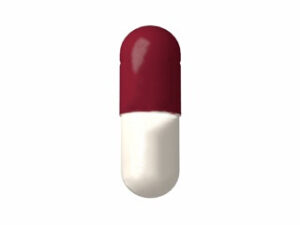
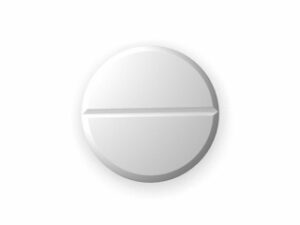
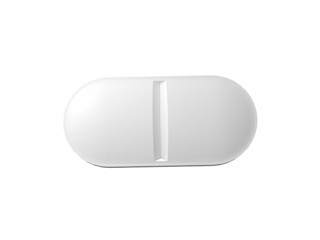
| Available Forms & Strengths |
|
| Main Manufacturers (AU) | Sanofi-Aventis, Bayer, Blackmores, Ostelin, BioCeuticals, Chemists’ Own |
| Prescription Status (AU) | Unscheduled (OTC) for standard strengths; some combined products (e.g. with vitamin D) may be Pharmacist Only |
Mechanism of Action
For patients: Calcium Carbonate is a mineral supplement that provides calcium, which is vital for healthy bones, teeth, muscles, nerves, and normal blood clotting. It helps strengthen and maintain your skeleton, especially when you don’t get enough calcium from your diet.
For specialists: Calcium Carbonate acts as an ionised calcium source. In acidic environments (such as the stomach), it dissociates to release calcium ions, which are absorbed primarily in the upper small intestine. It is also an antacid, neutralising gastric hydrochloric acid by forming calcium chloride, water, and carbon dioxide.
Pharmacokinetics
- Absorption: Approximately 20-40% absorbed in the duodenum and proximal jejunum; uptake is influenced by vitamin D status and gastric acidity.
- Metabolism: Not metabolised; dissociates to release calcium and carbonate ions.
- Elimination: Unabsorbed calcium is excreted in the faeces. Absorbed calcium is either incorporated into bone or excreted via urine (renal excretion).
- Duration of Action: Calcium’s bone and blood effects persist as long as regular supplementation occurs; antacid effects last 30–60 minutes post-dose.
Use in Everyday Life and Best Practices
Calcium Carbonate is commonly used in Australia for:
- Supporting bone health, especially in adults over 50, postmenopausal women, and adolescents with increased needs.
- Managing low dietary calcium intake (for example, those avoiding dairy).
- Preventing or treating osteoporosis, especially in individuals at risk due to age, menopause, or medications (e.g., corticosteroids).
- As an antacid to relieve symptoms of mild heartburn or indigestion.
Typical doses: For adults, 1,000–1,300 mg of elemental calcium per day is recommended in split doses, depending on age and specific indication. A standard 1,250 mg tablet contains about 500 mg elemental calcium.
How to use: Take tablets with a full glass of water. Chewable tablets should be chewed thoroughly. If you have difficulty swallowing tablets, effervescent or powder sachets may be preferable. Always follow the directions provided by your pharmacist or doctor.
Dosing in the Morning vs Evening
- Calcium absorption is similar in the morning and evening, but splitting the dose (morning and evening) maximises absorption and reduces gastrointestinal side effects.
- It can be convenient to associate doses with meals (breakfast or dinner).
- Tip: Establish a routine that works with your lifestyle to ensure regular intake.
Taking with Food or on an Empty Stomach
- Calcium Carbonate is better absorbed when taken with or immediately after meals, especially if consuming food rich in protein or vitamin D (e.g. salmon, eggs, leafy greens).
- People on dairy-poor or vegan diets should ensure adequate vitamin D, for optimal calcium absorption.
- Do not take with large amounts of spinach, rhubarb, bran, or wholegrains at the same meal, as these may reduce absorption.
Interaction Warnings
| Interacting Substance | Effect / Clinical Advice |
|---|---|
| Thyroid hormones (e.g. Thyroxine) | Can reduce absorption. Take at least 4 hours apart. |
| Iron supplements | Reduced iron absorption. Separate doses by at least 2 hours. |
| Tetracycline & quinolone antibiotics | Reduced antibiotic efficacy. Take antibiotics 2-4 hours before or after calcium. |
| Bisphosphonates | Can interfere with absorption. Take bisphosphonates at least 30 minutes before calcium. |
| Digoxin | Risk of cardiac arrhythmia. Use calcium under medical monitoring. |
| Alcohol | No direct interaction, but excessive intake is detrimental to bone health. |
| High-oxalate foods (spinach, rhubarb) | May inhibit absorption if consumed at the same meal. |
Indications
| Indication | Status | Comments |
|---|---|---|
| Treatment and prevention of calcium deficiency | Official (TGA-approved) | Including pregnancy, lactation, postmenopausal, and elderly states |
| Osteoporosis/osteopenia adjunct | Official | Usually in combination with vitamin D |
| Antacid for mild dyspepsia/heartburn | Official (OTC) | Short-term use only |
| Chronic renal failure (phosphate binder) | Off-label | Specialist supervision |
| Hypoparathyroidism | Off-label | Specialist use |
Dosing According to Clinical Indications
| Indication | Adult Dose | Paediatric Dose | Elderly Dose |
|---|---|---|---|
| Prevention of calcium deficiency | 500–1,300 mg elemental Ca daily, in divided doses | 250–1,300 mg elemental Ca daily (weight/age adjusted) | 500–1,300 mg elemental Ca daily |
| Osteoporosis adjunct | 1,000–1,300 mg elemental Ca daily, usually with vitamin D | Not routinely indicated; specialist advice | 1,000–1,300 mg/day, monitor kidney function |
| Antacid | 500–1,000 mg as needed (max 7,500 mg/day short-term) | Not recommended | 500–1,000 mg as needed |
| Phosphate binding (CKD) | 1.25–1.5 g with meals (elemental calcium); specialist supervision | Specialist use only | Monitor calcium-phosphate balance |
Safety Profile and Side Effects
| Common Side Effects | Rare/Serious Side Effects | Warnings |
|---|---|---|
|
|
|
Guidelines for Proper Use
- Take in divided doses of no more than 500–600 mg elemental calcium at a time for optimal absorption.
- Always take with food or immediately after a meal for best effect.
- Monitor your total daily calcium intake (diet + supplements) to avoid exceeding 2,500 mg/day (adults).
- If you miss a dose, take it as soon as you remember. If it is almost time for your next dose, skip the missed one—do not double up.
- Consult your doctor or pharmacist before starting calcium supplements if you are pregnant, breastfeeding, have kidney disease, or are on other medicines.
- Keep out of reach of children.
Alternative Treatment Options
- Calcium Citrate: Better absorption in people with low stomach acid, fewer gastrointestinal side effects; more expensive.
- Vitamin D-only supplements: Important as adjunct in people with limited sun exposure;
- Dietary interventions: Increased dairy, tofu, canned fish with bones, leafy greens.
- Combination therapies: Calcium + Vitamin D (e.g., Caltrate Plus D), standard in osteoporosis prevention; reimbursed under PBS for certain conditions.
- Other osteoporosis medications: Bisphosphonates, selective oestrogen receptor modulators (SERMs), denosumab—prescribed as needed, especially where bone density is low.
Compared to alternatives, Calcium Carbonate is cost-effective, widely available OTC, and straightforward for most people to use, but those with poor gastric acid production or kidney problems should discuss other forms with their doctor.
Legal, Registration, and Reimbursement Status in Australia
- Most brands and formulations are registered by the Therapeutic Goods Administration (TGA).
- Sole-use calcium carbonate is unscheduled (OTC); combination products may require pharmacy oversight.
- Available on the Pharmaceutical Benefits Scheme (PBS) for certain chronic conditions, such as chronic kidney disease and osteoporosis, as per specialist initiation.
- No general reimbursement for OTC use in healthy individuals.
Latest Research and Clinical Guidance (2022–2025)
Current guidance from Osteoporosis Australia and international authorities (e.g., Endocrine Society, 2022–2024) recommends:
- Calcium supplementation if dietary intake is inadequate, focusing on split dosing and combination with vitamin D.
- Avoidance of excessive supplementation, due to a possible small increased risk of cardiovascular events at high intake.
- Preference for food-based sources over supplements when possible (Rizzoli et al., 2022, BONE Journal).
- No routine use for cardiovascular prevention or non-osteoporotic indications.
Availability and Delivery
- Available nationwide in pharmacies, supermarkets, and online.
- Popular packaging: 60, 120, and 200 tablet packs; effervescent tubes (20–30 tablets); sachets (14, 30 per box).
- Indicative price per pack (as of 2024): $10–$25 for 60–120 tablets; $15–$30 for combination products.
| City | Estimated Delivery (Online pharmacy) |
|---|---|
| Sydney | 1–2 business days |
| Melbourne | 1–2 business days |
| Brisbane | 2–3 business days |
| Perth | 3–5 business days |
| Hobart | 3–4 business days |
| Darwin | 4–6 business days |
Frequently Asked Questions (FAQ)
- Can I take Calcium Carbonate with my other medications?
It can interact with certain medicines (like thyroid medication or antibiotics). Space doses by at least 2–4 hours, and check with your pharmacist for specific advice. - Do I need a prescription to buy Calcium Carbonate in Australia?
No, most products are available OTC. Some combinations with vitamin D, or high-strength forms, may be Pharmacist Only. - How much calcium do I really need per day?
Most adults need 1,000–1,300 mg of elemental calcium per day from diet plus supplements. Your doctor can assess your needs based on age, gender, and risk factors. - What are the signs of too much calcium?
Symptoms include nausea, vomiting, constipation, tiredness, excess thirst or confusion. If you suspect this, stop taking the supplement and seek medical advice. - Is it better to get calcium from food or supplements?
Food sources (dairy, green vegetables, tofu) are preferred due to better absorption and lower risk of excessive intake. Supplements are helpful if your diet falls short.
Disclaimer: This information is a guide only and does not replace individual medical or pharmacy consultation. For personalised advice, always ask your pharmacist or healthcare provider.