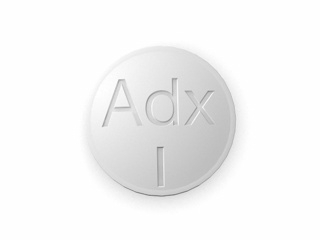


Arimidex (Anastrozole): Comprehensive Patient Information for Australia
Basic Product Information
| International Non-Proprietary Name (INN) | Anastrozole |
| Australia Brand Names | Arimidex®, Anastrozole Sandoz, Anastrozole Apotex, and other generics |
| Anatomical Therapeutic Chemical (ATC) Code | L02BG03 |
| Available Forms & Strengths | Film-coated tablets, 1 mg |
| Manufacturers | AstraZeneca (original), plus various Australian generic manufacturers |
| Prescription Status | Schedule 4 (Prescription Only Medicine) in Australia |
Mechanism of Action
For Patients: Arimidex contains anastrozole, a medicine that lowers the amount of oestrogen (a female hormone) in the body. In certain types of breast cancer, oestrogen helps cancer cells to grow. By reducing oestrogen levels, Arimidex helps shrink the tumour or slow its growth.
For Clinicians: Anastrozole is a potent, highly selective, non-steroidal aromatase inhibitor. It inhibits the conversion of androgens to oestrogens via competitive reversible inhibition of the aromatase enzyme, thus significantly decreasing circulating oestradiol concentrations in postmenopausal women.
Pharmacokinetics
- Absorption: Rapidly and well absorbed orally; peak plasma concentration after approximately 2 hours.
- Metabolism: Extensively metabolised in the liver mainly by N-dealkylation, hydroxylation and glucuronidation.
- Elimination: Metabolites are largely excreted via urine; elimination half-life is approximately 40-50 hours, supporting once-daily dosing.
- Duration of Action: Steady-state concentrations achieved after 7 days; hormone suppression maintained with regular dosing.
Use in Everyday Life and Best Practices
- Indicated Population: Postmenopausal women with hormone receptor-positive early or advanced breast cancer.
- Typical Dose: One 1 mg tablet daily, at the same time, with or without food.
- How to Take: Swallow the tablet whole with water. Do not crush or chew.
- Adherence: Consistency is important—take the medicine at the same time every day.
- Missed Dose: Take as soon as you remember, unless your next dose is due. Do not double up doses.
- Duration of Therapy: Commonly 5 years, but may vary based on clinical response and your doctor’s advice.
- Regular Monitoring: Requires periodic follow-up and may include blood tests for liver function, bone mineral density, and cholesterol.
Dosing in the Morning vs Evening
- Morning: May be preferable to reduce insomnia or hot flushes at night. Suits many Australian routines.
- Evening: Used by some patients who find side effects more tolerable this way; no difference in clinical efficacy.
- Tip: Choose a time that best fits your daily habits and helps remember each dose; pairing with another regular activity (e.g., brushing teeth) may help.
Taking With Food or On an Empty Stomach
- Meals: Arimidex can be taken with or without food; taking it after a light meal may ease potential stomach upset.
- Australia Dietary Habits: No need to change your typical Australian diet, but eat a balanced diet rich in calcium and vitamin D to support bone health.
- Grapefruit: No clinically significant interaction, but discuss any supplements or specific diets with your pharmacist.
Interaction Warnings
| Interaction | Effect | Recommendation |
|---|---|---|
| Other Oestrogen-containing Medicines (e.g., HRT) | May reduce effectiveness of anastrozole | Avoid concomitant use |
| Tamoxifen | Reduces anastrozole’s action | Do not use together |
| Antihypertensives, statins, etc. | No significant interactions | Safe, but consult your doctor |
| Warfarin (anticoagulants) | No significant effect, but monitor INR | Inform your doctor |
| Alcohol | No direct interaction, but may worsen side effects | Limit intake |
Indications
| Clinical Use | Authority/Guideline | Summary |
|---|---|---|
| Early breast cancer (adjuvant) | TGA, Cancer Australia | Treatment of hormone receptor-positive, postmenopausal women after surgery or other treatments |
| Advanced or metastatic breast cancer | TGA, PBS | First-line or following disease progression after tamoxifen |
| Off-label: Male breast cancer, infertility | Specialist discretion | Not routinely funded in these settings |
Dosing According to Clinical Indications
| Indication | Usual Dose | Population | Comments |
|---|---|---|---|
| Early breast cancer | 1 mg once daily | Postmenopausal women | Standard duration is 5 years |
| Advanced breast cancer | 1 mg once daily | Postmenopausal women | Continue until disease progression |
| Paediatric use | Not recommended | Children/adolescents | Safety and efficacy not established |
| Elderly | 1 mg once daily | Age 65+ | No dose adjustment needed |
Safety Profile and Side Effects
- Most Common: Hot flushes, tiredness (fatigue), joint pain/stiffness (arthralgia), headache, nausea, mood changes, and osteoporosis.
- Less Common: Skin rashes, thinning hair, carpal tunnel syndrome, vaginal dryness, and mild swelling.
- Rare but Serious: Liver dysfunction (jaundice), severe allergic reactions, or increased cholesterol.
| Side Effect | Frequency | Advice |
|---|---|---|
| Hot flushes, sweating | Very common (>10%) | Stay cool, dress lightly |
| Joint & bone pain | Very common | Use gentle exercise, seek advice if persistent |
| Osteoporosis/fracture risk | Common | Regular GP check-ups, consider calcium & vitamin D |
| Mood changes, depression | Common | Discuss with your doctor or support group |
| Liver function changes | Uncommon | Report yellowing of eyes/skin |
| Severe allergic reaction | Rare | Seek urgent medical attention |
Guidelines for Proper Use: Practical Tips for Australia
- Keep your medication in its original blister pack at room temperature, out of direct sun—Australia’s heat can degrade some medicines.
- Never share your medicine, and keep it out of reach of children or pets.
- Let your GP or pharmacist know about all other medicines or supplements, including over-the-counter products from Australian pharmacies or supermarkets.
- Stay active and eat a varied diet high in calcium and vitamin D—good sources include milk, cheese, leafy greens, and safe sunlight exposure.
- If you notice any persistent side effects, contact your primary care provider or cancer nurse for advice.
Alternative Treatment Options
- Letrozole (Femara® and generics): Another aromatase inhibitor, equally effective for most indications, funded under the PBS. May differ in side effect profile.
- Exemestane (Aromasin®): A steroidal aromatase inhibitor, useful for those intolerant to other AIs; also on the PBS.
- Tamoxifen: A selective oestrogen receptor modulator (SERM), especially for premenopausal women. Different side effect profile and risk of blood clots.
All these alternatives are covered by the Pharmaceutical Benefits Scheme (PBS) when prescribed for approved indications by your Australian specialist.
Legal, Registration, and Reimbursement Status in Australia
- Therapeutic Goods Administration (TGA): Registered prescription medicine, included in the ARTG (Australian Register of Therapeutic Goods).
- PBS Listing: Arimidex and generics are PBS-subsidised for hormone receptor-positive breast cancer in postmenopausal women, reducing out-of-pocket costs with a valid Medicare card and prescription.
- Dispensing in Pharmacies: Only available from registered Australian community or hospital pharmacies with a valid doctor’s prescription.
- No private or over-the-counter sales permitted. Supply and record-keeping conform to Australian law and pharmacy practice guidelines.
Latest Research & Clinical Guidance (2022–2025)
- The 2024 Cancer Australia guidelines advise anastrozole as first-line adjuvant therapy in postmenopausal hormone receptor-positive breast cancer, recommending use for at least five years (See: Cancer Australia - Optimal Care Pathways, 2024).
- Recent major trials (e.g., BIG 1-98, ATAC) continue to demonstrate similar or superior efficacy compared to tamoxifen, especially in reducing cancer recurrence.
- Emerging evidence (2023) supports an individualized approach to endocrine therapy, considering side effect burden, bone health, and patient preference (source: Australian Family Physician, May 2023).
- Guidelines recommend baseline and periodic monitoring of bone mineral density and lipid profiles during therapy.
- See also: Cancer Australia; TGA.
Availability and Delivery
| Pack Size | Typical Price (PBS Patient Co-Payment) | Delivery Time (Major Cities) |
|---|---|---|
| 30 tablets (1 month) | AU$30 concession / AU$7.30 general (as of 2024) | Next business day in Sydney, Melbourne, Brisbane |
| 90 tablets (3 months) | AU$90 concession / AU$22 general (as of 2024) | 1–2 business days in major capitals 2–4 days to Perth, Darwin, regional areas |
Prices and delivery estimates are indicative and vary with patient eligibility and pharmacy location. Always check with your pharmacy or dispensing clinic.
Frequently Asked Questions (FAQ)
- What if I forget to take my Arimidex tablet?
Take it as soon as you remember, unless your next dose is due. Do not take a double dose to make up for a missed tablet. - Can I drink alcohol while taking Arimidex?
Moderate alcohol intake is generally safe, but excessive consumption can worsen side effects like hot flushes. - Do I still need to see my doctor while on Arimidex?
Yes. Regular check-ups are important for monitoring side effects, bone health, and ensuring the medicine remains appropriate for you. - Is Arimidex safe for premenopausal women?
No. It is only indicated for postmenopausal women; premenopausal women should discuss alternative treatments with their doctor. - Can men take Arimidex?
Rarely, and only under specialist advice (e.g. certain cases of male breast cancer or endocrine disorders). Not generally available for men via the PBS.
For more information, consult your oncologist, GP, pharmacist, or Cancer Australia resources. This information is not a substitute for medical advice—always follow your doctor’s instructions.