Amalaki (Indian Gooseberry) – Comprehensive Patient Information
Basic Product Information
| International Nonproprietary Name (INN) | Phyllanthus emblica (also known as Emblica officinalis, commonly Amalaki or Indian Gooseberry) |
|---|---|
| Australia Brand Names | Ayuna Amalaki, NutraLife Amalaki, Himalaya Amalaki, various over-the-counter (OTC) and online brands |
| ATC Code | A16AX (Other alimentary tract and metabolism products – herbal category, not a prescription pharmaceutical) |
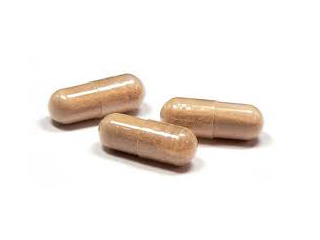
| Available Forms and Strengths | Oral tablets (typically 250 mg or 500 mg), capsules (250–600 mg), powder, liquid extracts, teas |
| Manufacturers | Ayuna, NutraLife, Himalaya, various complementary medicine suppliers (listed on the Australian Register of Therapeutic Goods – ARTG) |
| Prescription Status | Unscheduled (available over-the-counter; supplements and herbal preparations) |
Mechanism of Action
In simple terms: Amalaki is a natural fruit known for its high vitamin C content, antioxidants, and natural polyphenols. It is believed to support immune function, encourage healthy digestion, and protect cells from oxidative stress.
For specialists: The principal active compounds include ascorbic acid (vitamin C), ellagitannins, flavonoids, and gallic acid. Amalaki exerts antioxidant effects by scavenging free radicals, modulates inflammatory pathways, and has mild hypolipidaemic and hypoglycaemic activity via effects on enzymes like lipase and α-amylase. Cellular evidence suggests cytoprotective and adaptogenic properties.
Pharmacokinetics
- Absorption: Vitamin C and polyphenols in Amalaki are well absorbed through the gastrointestinal tract when taken orally.
- Metabolism: Active compounds are metabolised primarily in the liver and peripheral tissues, with some metabolites entering systemic circulation.
- Elimination: Metabolites are excreted via urine; vitamin C excess is also cleared renally.
- Duration of Action: Antioxidant effects are cumulative; vitamin C plasma concentrations stabilise within a week of regular use.
Use in Everyday Life and Best Practices
Amalaki is used as a dietary supplement for immune support, improved digestion, and as a source of antioxidants. In Australia, it is commonly purchased as an over-the-counter supplement. Typical doses range from 250 mg to 1,000 mg daily, taken as one or two divided doses. Tablets or capsules should be swallowed with water, and powders may be mixed into smoothies or juices. For best results, use Amalaki as part of a balanced diet and healthy lifestyle. Consult your pharmacist, GP, or registered herbalist before starting, especially if you have any medical conditions or take regular medications.
Dosing in the Morning vs Evening
- Morning dosing: May support energy and antioxidant defences through the day; some people experience a mild “pick-me-up.”
- Evening dosing: Generally well-tolerated; may be appropriate for those who wish to avoid gastrointestinal discomfort earlier in the day.
- Tips: Take at the same time daily to maintain steady levels. If you are sensitive to acidic foods, prefer taking Amalaki with or after meals.
Taking with Food or on an Empty Stomach
- With food: May reduce the chance of mild gastrointestinal upset in sensitive individuals, especially those who experience acid reflux.
- On an empty stomach: May increase absorption of certain antioxidants and vitamin C; individual tolerance varies.
- Australian context: For those following an Australian diet rich in dairy or caffeine, consider taking Amalaki apart from these, as calcium and caffeine can impact the absorption of vitamin C and antioxidants.
Interaction Warnings
| Interaction | Recommendation |
|---|---|
| Warfarin and anticoagulants | Possible increased risk of bleeding; speak to your doctor before use |
| Antidiabetic medications | May potentiate blood glucose lowering; monitor blood glucose more frequently |
| Iron supplements | Vitamin C in Amalaki may enhance iron absorption – may be helpful for deficiency, but care in overload states |
| Alcohol | No specific interactions known, but avoid excessive use for general health |
| Certain foods (dairy, caffeine) | Take at a separate time to maximise vitamin C absorption |
Indications
| Indication | Status in Australia |
|---|---|
| General antioxidant and immune support | OTC supplement (complementary therapy, ARTG listed) |
| Traditional digestive and liver tonic | Complementary, not a pharmaceutical indication |
| Adjunct in metabolic syndrome (off-label, supportive evidence) | Used off-label; not a substitute for prescribed therapies |
| Adjunct in mild hypercholesterolaemia, diabetes (off-label) | Used off-label in addition to, not instead of, standard medicines |
Dosing According to Clinical Indications
| Population | Typical Dose | Remarks |
|---|---|---|
| Adults | 250–1000 mg daily (in 1–2 doses) | Doses vary based on brand and indication |
| Children (over 12 years) | 125–250 mg once daily | Check with GP/pharmacist for suitability; not routine for young children |
| Elderly | 250 mg once daily | Monitor for hypersensitivity or gastrointestinal discomfort |
| Pregnancy & Lactation | Not usually recommended without medical guidance | Consult healthcare provider before use |
Safety Profile and Side Effects
- Common: Mild gastrointestinal upset, nausea, acid reflux, diarrhoea (rare and generally dose-related)
- Uncommon: Allergic reactions (rash, itching)
- Very rare: Hypoglycaemia (noted in combination with antidiabetic therapies), increased bleeding tendency (in those on anticoagulants)
- Warnings: Not recommended for individuals with known allergies to Phyllanthus emblica or severe kidney stone history (due to oxalate content)
- Consult your GP or pharmacist if side effects persist or severe symptoms occur
Guidelines for Proper Use
- Always follow the label instructions and dosing guidance on your product.
- Start with the lowest effective dose to gauge your tolerance.
- Take with water; if you experience stomach upset, switch to taking with food.
- Store supplements out of reach of children, in a cool, dry place.
- Check for “AUST L” number on the label (indicating listing on the Australian Register of Therapeutic Goods).
- Let your pharmacist or GP know about all supplements you take, especially if you use regular medicines (prescription or OTC).
- Discontinue use if you have any signs of allergic reaction.
Alternative Treatment Options
- Vitamin C supplements (ascorbic acid): Well-established, available on private and PBS prescription for select indications. Pros: Clinically studied, precise dosing. Cons: Lacks the broader polyphenol spectrum in Amalaki.
- Multivitamin/antioxidant supplements: Many are ARTG-listed; may provide broader nutritional support.
- Dietary sources (fruits, vegetables): Fresh oranges, capsicum, broccoli, and berries are high in antioxidants; part of dietary recommendations for Australians.
- Other adaptogenic herbs (e.g., Withania somnifera): Used for stress support and immune modulation.
- Prescription medications: For specific conditions such as hypercholesterolaemia, diabetes, or immune deficiencies, always use evidence-based prescription medicines and consult your doctor before relying on alternatives.
Legal, Registration, and Reimbursement Status in Australia
- Amalaki is listed as a complementary medicine on the Australian Register of Therapeutic Goods (ARTG) under “AUST L” numbers.
- Regulated by the Therapeutic Goods Administration (TGA); must meet Australian manufacturing standards for safety and quality.
- Not reimbursed by the National Health Funding Body (NHFB; formerly National Health Funding Pool) or Pharmaceutical Benefits Scheme (PBS); patient must bear the cost.
- Sold over-the-counter at most pharmacies, health food stores, and reputable online outlets.
- Always choose products with clear labelling and Australian contact information for the manufacturer or sponsor.
Latest Research and Clinical Guidance (2022–2025)
Recent clinical literature supports the use of Amalaki as an antioxidant and immune supplement. Multiple small interventions (see Br J Nutr 2023;130(2):349–356; Eur J Integr Med 2024;58:102321) note mild improvements in oxidative stress markers and subjective wellbeing. Meta-analyses and in vitro studies (refer J Ethnopharmacol 2024;314:115498) suggest possible adjunct roles in metabolic syndrome, but robust, large-scale evidence in clinical practice is still emerging. All major Australian and international bodies (such as the National Institute for Complementary Medicine) recommend Amalaki as supportive, not as a replacement for established medical therapy.
Availability and Delivery
| Pack Size | Approximate Price (AUD) | Delivery Time (Business Days) |
|---|---|---|
| 60 tablets (500 mg tabs) | $18–$35 | Sydney: 1–2 days, Melbourne: 1–2 days, Brisbane: 2 days, Perth: 3–4 days, Adelaide: 2 days, Hobart: 2–3 days |
| 120 capsules (250 mg caps) | $28–$45 | Sydney: 1–2 days, Melbourne: 1–2 days, Brisbane: 2 days, Perth: 3–4 days, Adelaide: 2 days, Hobart: 2–3 days |
| Powder (100 g) | $19–$36 | Sydney: 1–2 days, Melbourne: 1–2 days, Brisbane: 2 days, Perth: 3–4 days, Adelaide: 2 days, Hobart: 2–3 days |
Most major Australian cities have pharmacy delivery or click-and-collect available. Check retailer websites for stock and shipping policies.
Frequently Asked Questions (FAQ)
- Is Amalaki safe to take with my prescription medications?
Please check with your doctor or pharmacist before using Amalaki if you take regular prescription medicines — particularly blood thinners or diabetes medications, due to possible interactions. - How long does it take to start feeling the benefits?
Most people notice general wellbeing, digestion, or energy improvements after 2–4 weeks of regular use. Effects are subtle and best assessed over time as part of a balanced lifestyle. - Can Amalaki replace my regular vitamins or medicines?
No. Amalaki is a supportive supplement, not a replacement for medical treatment or prescription medicines. Always continue prescribed therapy unless your doctor advises otherwise. - Is Amalaki suitable for children?
Use in children is not routine. For children over 12 years, very low doses may be appropriate after consulting a health professional. - Do I need a prescription to buy Amalaki in Australia?
No – Amalaki is available over-the-counter as a complementary or herbal supplement in Australia.