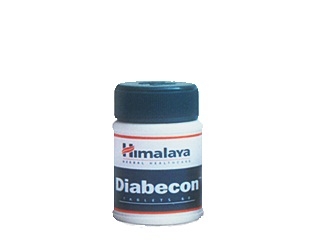
Diabecon: Comprehensive Patient Information
Basic Product Information
| International Non-Proprietary Name (INN) | Herbal proprietary blend (major constituents: Gymnema sylvestre, Pterocarpus marsupium, Tinospora cordifolia, and others) |
|---|---|
| Brand Names in Australia | Diabecon (not registered as a conventional medicine, but often available under the original manufacturer or through complementary medicine suppliers) |
| ATC Code | Not assigned (herbal/complementary medicine product) |
| Available Forms & Strengths | Tablets (usually containing proprietary blends of the active botanicals) |
| Manufacturers | Himalaya Drug Company, India; imported by various Australian complementary medicine distributors |
| Prescription Status | Over-the-counter (OTC), as a complementary medicine; not classified as a Prescription Only Medicine (Schedule 4) by the TGA |
Mechanism of Action
For General Users: Diabecon is a herbal preparation designed to help maintain healthy blood sugar levels as part of responsible diabetes management. It contains a blend of plant extracts that have long been used in traditional Ayurvedic medicine. These botanicals are believed to support the pancreas, help regulate insulin and carbohydrate metabolism, and reduce sugar cravings.
For Healthcare Professionals: The main constituents in Diabecon, including Gymnema sylvestre, Pterocarpus marsupium, and others, have been shown in limited preclinical and small clinical studies to exert hypoglycaemic effects via stimulation of residual pancreatic beta-cell activity, inhibition of glucose absorption from the gut, increased hepatic glycogen storage, and protection of beta-cells from oxidative damage. The product’s multi-target approach is believed to modulate glucose utilization and insulin sensitivity.
Pharmacokinetics
- Absorption: As a herbal blend, individual components exhibit variable gastrointestinal absorption, depending on plant species and preparation.
- Distribution: Not fully characterized; some flavonoids and saponins are known to be extensively distributed in tissue.
- Metabolism: Primarily metabolized in the liver via phase I/II pathways, though detailed pathways are not mapped for many constituents.
- Elimination: Renal and biliary excretion, with minor amounts detectable in urine.
- Duration of Action: Thought to exert cumulative benefits with daily use; peak action is not well studied, but effects may build over weeks as part of lifestyle and dietary management.
Everyday Use & Best Practices (Australia Context)
Diabecon is best used as an adjunct to a healthy lifestyle, balanced diet, and—if necessary—conventional medication prescribed by your doctor. In Australia, it is available through select pharmacies and health stores, primarily as a complementary therapy.
- Typical Adult Dose: 1-2 tablets twice daily, or as directed by your healthcare provider.
- Children (over 12 years): Dosage should be determined by a healthcare professional. Not commonly recommended for young children.
- Elderly: No specific dose adjustment, but monitoring is advised if on multiple medications.
- Always continue standard medical care for diabetes as advised by your GP or endocrinologist.
- Do not use Diabecon in place of prescription medicines.
Dosing in the Morning vs Evening
- Morning dosing: May help control post-breakfast blood sugar spikes after a typical Australian breakfast (e.g., cereals, toast, fruit). Also fits well with morning medication routines.
- Evening dosing: Useful for managing overnight glucose fluctuations; can be taken after the evening meal.
- Tips: For optimal effect, take doses at roughly the same time each day. Set reminders or pair with daily routines like breakfast and dinner.
- Consistency: Regularity is more important than exact time; avoid missed doses for best results.
Taking With Food or on an Empty Stomach
- It is generally recommended to take Diabecon soon after meals to avoid stomach discomfort and to help manage the rise in blood sugar after eating.
- Taking Diabecon on an empty stomach may increase the risk of mild stomach upset in sensitive individuals.
- Australian dietary habits—such as meals rich in complex carbohydrates—should not significantly interfere with its intended effect, but timing with major meals helps maintain steady glucose control.
Interaction Warnings
| Substance | Interaction | Advice |
|---|---|---|
| Alcohol | May worsen blood sugar fluctuations and increase risk of hypoglycaemia, especially if mixed with anti-diabetic drugs | Limit or avoid alcohol while using Diabecon |
| Prescription Diabetes Medications | Possible additive effect leading to low blood sugar (hypoglycaemia) | Regular monitoring of blood glucose; inform your healthcare provider of all medicines and supplements you take |
| Corticosteroids | May increase blood sugar and reduce effectiveness of Diabecon | Monitor glucose more closely while using steroids |
| Other Herbal Supplements (e.g., Fenugreek, Bitter Melon) | Possible duplicate hypoglycaemic effects | Use with caution; discuss with your pharmacist/GP |
| Food | No major food interactions; best tolerated after meals | Follow with a balanced Australian diet for best results |
Indications
| Indication | Status | Notes |
|---|---|---|
| Support in maintaining healthy blood glucose levels (adjunct) | Official (complementary medicine claim) | Not a substitute for prescription antidiabetics |
| Adjunct to diet and exercise in Type 2 diabetes | Common complementary use | Should not replace standard therapies |
| Off-label: prevention in pre-diabetes/metabolic syndrome | Off-label/experimental | Limited clinical evidence, use with caution |
Dosing According to Indication
| Population | Condition | Recommended Dose | Comments |
|---|---|---|---|
| Adults | Adjunct therapy, Type 2 diabetes | 1-2 tablets twice daily | With meals. Do not exceed recommended dose. Monitor glucose regularly. |
| Adolescents (12–18 yrs) | Adjunct therapy | 1 tablet twice daily, only under medical supervision | Not recommended for younger children due to lack of data. |
| Elderly | Adjunct therapy | Start low, titrate to 1-2 tablets twice daily, monitor closely | Particularly if taking multiple medicines (polypharmacy). |
Safety Profile & Side Effects
Diabecon is generally well-tolerated, but as with any medicine or supplement, side effects can occur.
| Side Effect | Frequency | Notes and Advice |
|---|---|---|
| Mild Gastrointestinal Upset (nausea, abdominal discomfort, diarrhoea) | Uncommon | Usually settles with continued use or dose adjustment |
| Hypoglycaemia (low blood sugar) | Rare (mainly with other anti-diabetic agents) | Check blood sugar regularly, especially if taking prescription antidiabetics |
| Allergic reactions (rash, itching, swelling) | Very rare | Stop use immediately and seek medical help |
| Liver function changes | Very rare | Ask your doctor for regular blood tests if using long-term |
Warnings: Not suitable during pregnancy or for children under 12 years. Consult your healthcare provider before starting, especially if you have kidney, liver, or other chronic conditions.
Guidelines for Proper Use (Australia Context)
- Purchase only from reputable pharmacies or Australian-registered suppliers to reduce risk of counterfeit or contaminated products.
- Keep in original packaging and store below 25°C in a dry place—typical for Australian climates.
- Discuss with a healthcare provider before use, particularly if you are on prescription medicines or have allergies to plant products.
- Monitor your blood sugar regularly and keep a record for your healthcare provider.
- Combine with a healthy, varied diet (following resources from Diabetes Australia), and regular physical activity.
- Do not use as a sole treatment for diabetes—always maintain GP review and attend routine health checks.
Alternative Treatment Options
For people with Type 2 diabetes or pre-diabetes, alternative treatments include:
- Prescription medicines:
- Metformin (first-line and government-reimbursed)
- Sulfonylureas (e.g., gliclazide)
- DPP-4 inhibitors (e.g., sitagliptin, vildagliptin)
- SGLT2 inhibitors (e.g., dapagliflozin, empagliflozin)
- GLP-1 agonists (injectable, e.g., semaglutide)
- Insulin (for advanced cases)
- Non-drug options: Dietitian-led medical nutrition therapy, Diabetes Australia educational programs, supervised exercise regimes.
Pros and Cons:
- Diabecon: Natural, generally well-tolerated, but less robust clinical evidence and not covered by the PBS (Pharmaceutical Benefits Scheme).
- Prescribed Anti-diabetic Drugs: Strong evidence, regulated, covered by the PBS, but with greater potential for side effects and drug interactions.
- Lifestyle Changes: Essential for all, but challenging for some patients.
Legal, Registration, and Reimbursement Status in Australia
- Legal Status: Diabecon is supplied as a complementary or alternative medicine. It is not currently registered as a pharmaceutical under the TGA's Australian Register of Therapeutic Goods (ARTG).
- Registration: May be listed in the Australian Register of Naturopathic or Complementary Medicines when sold by local importers meeting TGA standards.
- Reimbursement: Not listed on the PBS; patients pay out-of-pocket.
- Prescription Requirement: No prescription required; discuss with your pharmacist or GP before starting any complementary therapy.
Latest Research and Clinical Guidance (2022–2025)
- Recent meta-analyses (2022–2024) indicate that herbal adjuncts—including multi-herb formulations like Diabecon—may assist with modest improvements in fasting blood glucose and HbA1c when used as adjuncts to standard care. Reference: Nutr Metab (Lond). 2023;20:1–13.
- 2024 position statements from Diabetes Australia and the Australian Endocrine Society do not recommend herbal products as primary therapy, but acknowledge their potential value when used under healthcare supervision as part of multidisciplinary care.
- Further large-scale, well-controlled Australian studies are needed to establish comparative long-term benefits and safety.
Availability and Delivery
| Pack Size | Approximate Price | Delivery Time – Sydney | Melbourne | Brisbane | Perth | Adelaide |
|---|---|---|---|---|---|---|
| 60 tablets | AUD $19–25 | 1–3 business days | 1–3 business days | 1–4 business days | 2–5 business days | 2–4 business days |
| 120 tablets | AUD $32–40 | 1–3 business days | 1–3 business days | 1–4 business days | 2–5 business days | 2–4 business days |
Note: Delivery times are indicative and may vary by supplier and location.
Frequently Asked Questions (FAQ)
- 1. Is Diabecon safe to take with my prescription diabetes medication?
Diabecon can be used alongside standard medication, but always notify your healthcare provider and monitor your glucose regularly as it may enhance the blood sugar-lowering effect of other medicines. - 2. How long does it take to see a benefit from Diabecon?
Some people report benefit within a few weeks, but for best assessment, use daily as part of a healthy lifestyle for at least 8–12 weeks, while monitoring your blood glucose. - 3. Can I use Diabecon if I am pregnant or breastfeeding?
Diabecon is not recommended during pregnancy or breastfeeding due to lack of safety data. - 4. Are there any foods I should avoid while taking Diabecon?
No special restrictions, but consuming a healthy, balanced diet following Australian guidelines will improve its effectiveness. - 5. Do I need a prescription for Diabecon in Australia?
No, Diabecon is available over-the-counter as a complementary medicine, but always consult your healthcare provider before starting any new supplement.
For further advice, please consult your pharmacist or healthcare provider.