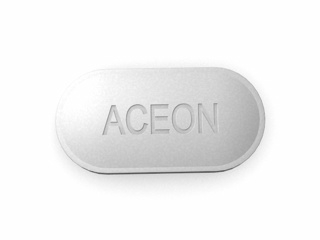
Aceon (Perindopril) – Patient Information for Australia
Basic Product Information
| International Nonproprietary Name (INN) | Perindopril |
|---|---|
| Australia Brand Names | Aceon, Coversyl, Perindo, Perindopril-Apotex, Perindopril-Arrotex, Perindopril-GA, Perindopril Sandoz, Perindopril-Teva |
| ATC Code | C09AA04 |
| Available Forms & Strengths | Tablets: 2 mg, 4 mg, 8 mg |
| Manufacturers | Servier, Sandoz, Apotex, Teva Pharmaceuticals, Arrotex Pharmaceuticals, Generic Health |
| Prescription Status | Prescription Only Medicine (Schedule 4) |
Mechanism of Action
For Patients: Perindopril is an ACE inhibitor (Angiotensin-Converting Enzyme inhibitor). It helps relax blood vessels, making it easier for your heart to pump blood and lowering your blood pressure. This reduces the risk of heart attacks, strokes, and kidney problems, especially important for those with diabetes or heart disease.
For Healthcare Professionals: Perindopril inhibits the conversion of angiotensin I to angiotensin II, a potent vasoconstrictor, thereby reducing vascular resistance and aldosterone secretion. This results in antihypertensive, cardioprotective, and renoprotective effects.
Pharmacokinetics
- Absorption: Oral bioavailability is approximately 65%. Perindopril is rapidly absorbed after oral administration.
- Metabolism: It is a prodrug, hydrolysed in the liver to its active form, perindoprilat.
- Elimination: Mainly excreted via the kidneys. Elimination half-life of perindoprilat is about 3–5 hours.
- Duration of Action: Antihypertensive effect lasts for 24 hours, permitting once-daily dosing.
Everyday Use & Best Practices
Perindopril is usually prescribed as a once-daily tablet. Tablets should be taken at the same time each day to maintain an even level in your bloodstream and support habit formation, which aids adherence. Most Australians are started on the lowest dose, gradually increased as needed under medical supervision. Typical adult starting doses for high blood pressure are 2–4 mg once daily, titrated up to 8 mg daily. The maximum commonly used dose is 8 mg per day, but dosing can vary according to individual health needs.
- Take Aceon exactly as your doctor prescribes.
- Swallow tablets whole with water.
- Do not stop taking your medication suddenly—it is important to continue even if you feel well, unless instructed by your doctor.
- Attend regular blood pressure and kidney function checks as recommended.
Dosing in the Morning vs Evening
Morning Dosing: Most Australians take Aceon in the morning, after waking, to align with the natural circadian rise in blood pressure and to fit daily routines. This also allows for detection of any side effects (such as dizziness) during waking hours.
Evening Dosing: May be preferred if instructed by your doctor, particularly in cases where blood pressure control overnight is an issue or in shift workers.
- Tips: Take at the same time every day.
- If you forget to take your dose, take it as soon as you remember on the same day. If not, skip the missed dose and take the next dose at the regular time. Do not double the dose.
Taking with Food or on an Empty Stomach
Perindopril is generally recommended to be taken before a meal, ideally on an empty stomach, for best absorption. In Australia, patients are advised to take it before breakfast. If you forget, taking it after a meal is unlikely to cause harm, but absorption may be moderately reduced.
- Dairy, cereal, and cooked breakfasts common in the Australian diet are fine, but take the medication shortly before eating.
- Avoid high-fat meals immediately before or with the medication, as they may slow absorption.
Interaction Warnings
| Interaction | Effect/Advice |
|---|---|
| Potassium supplements or salt substitutes | May increase risk of high potassium (hyperkalaemia)—use with caution. |
| Other blood pressure medicines (ARBs, diuretics, beta blockers) | Can increase the risk of low blood pressure, kidney problems; doctor should monitor you. |
| NSAIDs (ibuprofen, diclofenac, etc.) | May reduce effectiveness of Aceon and increase kidney risks. |
| Lithium | Risk of lithium toxicity—avoid concurrent use. |
| Alcohol | Can further lower blood pressure and increase dizziness—drink moderately and cautiously. |
| Diabetes medicines (insulin, metformin, etc.) | May enhance blood sugar-lowering effects; monitor glucose closely. |
Indications
| Indication | Official/Off-Label? |
|---|---|
| High blood pressure (essential hypertension) | Official – TGA approved |
| Heart failure | Official – TGA approved |
| Stable coronary artery disease | Official – TGA approved |
| Kidney protection in diabetes | Common off-label (specialist decision) |
| Secondary stroke prevention | Off-label but recognised in guidelines |
Dosing According to Clinical Indications
| Patient Group | Condition | Starting Dose | Maintenance/Max Dose |
|---|---|---|---|
| Adults | Hypertension | 2–4 mg once daily | Up to 8 mg once daily |
| Adults | Heart failure | 2 mg once daily | Up to 4 mg once daily |
| Adults | Stable CAD | 4 mg once daily | Up to 8 mg once daily |
| Elderly (over 65) | All | Usually lower starting dose (2 mg), titrate slowly | As above, depending on tolerability |
| Pediatrics (children) | Not routinely recommended, off-label specialist use only | Specialist guidance required | – |
| Renal impairment | All | Lower starting dose, adjust according to kidney function | Close monitoring needed |
Safety Profile & Side Effects
- Common Side Effects (>1/100):
- Cough (dry, persistent)
- Dizziness or light-headedness (especially when standing quickly)
- Headache
- Fatigue
- Gastrointestinal symptoms (nausea, diarrhoea, abdominal pain)
- Rare but Serious Side Effects (<1/1,000):
- Angioedema (swelling of lips, tongue, face – requires urgent medical attention)
- Severe rash or itching
- Kidney dysfunction (changes in urine output, swelling, shortness of breath)
- Elevated potassium levels (muscle weakness, irregular heart beat)
- Liver problems (yellowing of eyes/skin)
- Important Warnings:
- Avoid in pregnancy (teratogenic risk)
- Use with caution in people with kidney or liver conditions
- Let your doctor know if you have a history of angioedema
Guidelines for Proper Use (Australia-Specific Advice)
- Always use Aceon as prescribed by your GP or specialist.
- Have your blood pressure, kidney function, and electrolytes monitored regularly (as recommended by NPS MedicineWise and the RACGP).
- Keep hydrated, especially in hot Australian summers, but avoid excessive salt or potassium intake.
- If you develop a persistent dry cough, discuss with your doctor—an alternative ACE inhibitor or ARB may be needed.
- Report any swelling of lips, mouth, or face immediately—may indicate serious allergy.
- Women of childbearing age should notify their doctor if planning pregnancy.
Alternative Treatment Options (PBS-Listed)
- Angiotensin Receptor Blockers (ARBs): e.g. irbesartan, candesartan (similar blood pressure and kidney benefits, lower risk of cough)
- Other ACE Inhibitors: e.g. ramipril, enalapril, lisinopril (comparable efficacy)
- Calcium Channel Blockers: e.g. amlodipine (different mechanism, effective for hypertension)
- Thiazide Diuretics: e.g. indapamide, hydrochlorothiazide (especially for salt-sensitive hypertension)
- Beta-Blockers: e.g. bisoprolol, atenolol (applied in selected clinical scenarios)
Pros and cons: ARBs are less likely to cause cough, but are otherwise similar. Whether ACE inhibitor or ARB is preferred depends on individual response, tolerability, and doctor’s advice.
All of these options have medicines listed on the Pharmaceutical Benefits Scheme (PBS), meaning they can be subsidised for eligible patients.
Legal, Registration, and Reimbursement Status in Australia
- Approved by: Therapeutic Goods Administration (TGA)
- Prescription-only: Schedule 4 medicine, must be prescribed by a registered medical practitioner
- Reimbursement: Available on the PBS for approved indications (hypertension, heart failure, stable coronary artery disease)
- Not available for over-the-counter (OTC) purchase
Latest Research and Clinical Guidance (2022-2025)
- Hypertension: Perindopril remains a first-line option per the Heart Foundation Hypertension Guidelines 2023, offering high efficacy and long-term safety in diverse populations.
- Heart Failure: 2023 Australian Consensus Guidelines highlight ACE inhibitors (including perindopril) as key cornerstones of therapy (see: Heart Lung Circ. 2023;32(8):1032-1074).
- Kidney Protection: Supported by Kidney Health Australia guidance and recent international meta-analyses as protective in proteinuric diabetic nephropathy (Diabetes Obes Metab. 2023;25(3):869-880).
- Ongoing Research: Perindopril is being studied in combination therapy for resistant hypertension and in the elderly for cognitive protection, but more data are emerging.
Availability and Delivery in Australia
| Pack Size | Strengths Available | Indicative PBS Price * |
|---|---|---|
| 30 tablets (1 month) | 2 mg, 4 mg, 8 mg | $6.70 (concession), up to $30 (general) |
| 90 tablets (3 months repeat) | 2 mg, 4 mg, 8 mg | Varies – similar per tablet |
* PBS patient prices, as of 2024. Private prices may be higher. Subject to PBS Safety Net provisions.
| City | Delivery Time (Standard Pharmacy Postal) | Express Availability * |
|---|---|---|
| Sydney | 1–2 business days | Same day (CBD), next day (suburbs) |
| Melbourne | 1–2 business days | Same day (CBD), next day (suburbs) |
| Brisbane | 2–3 business days | Next day |
| Perth | 3–5 business days | 2 days |
| Rural/Regional | 3–7 business days | Express courier, check local availability |
* Where offered by Australian pharmacy partners. Availability subject to stock, legal requirements, and local prescription validation.
FAQ - Common Patient Questions
- Can I stop Aceon if my blood pressure is now normal?
You should not stop any blood pressure medicine suddenly as this can lead to dangerous increases in blood pressure and associated risks. Always consult your doctor before making any changes. - What should I do if I miss a dose?
If you remember on the same day, take the missed dose as soon as possible. If it's nearly time for your next dose, skip the missed dose. Do not double the dose to catch up. - Can I use Aceon while pregnant or breastfeeding?
No. Aceon (Perindopril) can harm unborn babies and is not recommended during pregnancy or while breastfeeding. Speak to your doctor for alternative treatments if you become pregnant. - Will Aceon interact with my food or alcohol intake?
Take Aceon before food for best absorption. Moderate alcohol is permissible, but it can lower blood pressure further—take care. Avoid salt substitutes high in potassium. - Can I take Perindopril long-term?
Yes, many patients need ongoing treatment as high blood pressure and heart conditions are usually lifelong. Regular doctor reviews are important to monitor for side effects and effectiveness.