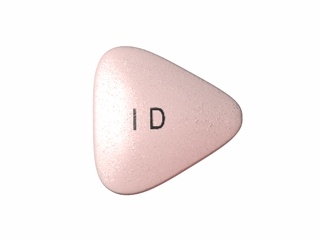
Voveran SR (Diclofenac) – Comprehensive Patient Information (Australia)
Basic Product Information
| International Non-proprietary Name (INN) | Diclofenac Sodium |
|---|---|
| Brand Names in Australia | Voveran SR, Voltaren SR, Diclofenac SR |
| ATC Code | M01AB05 |
| Available Forms & Strengths | Sustained-release tablets, 75 mg & 100 mg |
| Manufacturers | Novartis Australia, Sandoz, Mylan (now Viatris) |
| Prescription Status | Prescription Only Medicine (Schedule 4: S4) |
Mechanism of Action
- For Patients: Voveran SR contains diclofenac, a non-steroidal anti-inflammatory drug (NSAID). It helps reduce inflammation, pain, and swelling by blocking substances in the body (prostaglandins) that cause these symptoms.
- For Specialists: Diclofenac inhibits cyclooxygenase (COX-1 and COX-2) enzymes, thereby reducing prostaglandin biosynthesis at sites of inflammation. The sustained-release (SR) formulation provides a prolonged plasma concentration, allowing less frequent dosing and stable symptom control.
Pharmacokinetics
- Absorption: Well absorbed from the gastrointestinal tract; peak plasma concentrations within 4 hours after SR tablet intake.
- Metabolism: Rapid, mainly in the liver via CYP2C9 isoenzyme, producing several metabolites.
- Elimination: Mainly via urine (60%) and bile/faeces (35%).
- Half-life: Typically 1–2 hours; the SR formulation extends effective plasma levels up to 12–24 hours.
- Duration of Action: Once or twice daily dosing due to sustained release properties.
Use in Everyday Life and Best Practices
Voveran SR is prescribed to manage pain and inflammation associated with various conditions. In Australia, it is most often used to treat:
- Arthritis (osteoarthritis, rheumatoid arthritis, ankylosing spondylitis)
- Muscle and joint injuries (sprains, strains, sports injuries)
- Pain following dental or orthopaedic procedures
- Short-term management of acute pain, where opioid use is inappropriate
Best Practice: Always take Voveran SR exactly as prescribed. Taking the medication at the same time each day is important to maintain a steady level in your body. If you forget a dose, take it as soon as you remember, but do not double up to compensate for a missed dose.
Dosing in the Morning vs. Evening
- Morning: Taking Voveran SR in the morning can help control pain and stiffness throughout the day, which is particularly helpful for people with morning joint pain or stiffness.
- Evening: Taking the medication in the evening may be beneficial for those with pain that worsens at night or disrupts sleep.
Tip: Choose the dosing time based on when your symptoms are most troublesome. Discuss with your doctor or pharmacist which schedule best suits your lifestyle.
Taking with Food or on an Empty Stomach
In Australia, Voveran SR is usually advised to be taken with food, such as breakfast or dinner. This can help reduce stomach irritation, a common side effect of NSAIDs. Taking the tablet with a glass of water, after or during a meal, is best practice.
Note: Traditional English and Australian diets—rich in bread, cereals, fruit, and vegetables—are suitable for taking this medication. Avoid heavy or very fatty meals, as they may slow absorption.
Interaction Warnings
| Interaction | Recommendation |
|---|---|
| Alcohol | Avoid regular or excessive consumption, as it increases the risk of stomach ulcers or bleeding. |
| Antihypertensive Medications (e.g., ACE inhibitors, diuretics, beta-blockers) | Monitor blood pressure closely, as diclofenac may reduce their effectiveness. |
| Other NSAIDs (e.g., ibuprofen, aspirin) | Do not combine due to increased risk of gastrointestinal bleeding. |
| Anticoagulants (e.g., warfarin) | Increased bleeding risk—use only under strict medical supervision. |
| Selective Serotonin Reuptake Inhibitors (SSRIs) | Increased risk of bleeding—inform your GP if you are taking antidepressants. |
| Corticosteroids | Potentially increases GI side effects—monitor closely if combination therapy is necessary. |
| Lithium or Methotrexate | May increase blood levels of these medicines—regular monitoring required. |
Indications
| Indication | Official (TGA-approved) | Off-label |
|---|---|---|
| Osteoarthritis, Rheumatoid Arthritis, Ankylosing Spondylitis | ✔ | |
| Acute Musculoskeletal Injury Pain | ✔ | |
| Dental or Post-operative Pain | ✔ | |
| Gout Flare | ✔ | |
| Dysmenorrhoea (Painful Periods) | ✔ |
Dosing According to Clinical Indications
| Population | Indication | Recommended Initial Dose | Maximum Daily Dose | Notes |
|---|---|---|---|---|
| Adults | Arthritis, acute pain | 75–100 mg daily in 1 or 2 divided doses | 150 mg | Use lowest effective dose for shortest duration |
| Elderly (65+) | All | Start at lower end of dosage range, e.g. 75 mg/day | Less than 100 mg | Monitor for side effects, especially GI and renal |
| Children (under 14) | Not recommended | N/A | N/A | Consult paediatric specialist |
Safety Profile & Side Effects
| Frequency | Side Effect | Advice |
|---|---|---|
| Common | Stomach pain, indigestion, nausea, diarrhoea, headache, dizziness, rash | Take with food; monitor for persistence—seek advice if bothersome |
| Less Common | High blood pressure, swelling in the legs (fluid retention), mild liver enzyme changes | Your doctor may monitor these during treatment |
| Rare but Serious | Stomach ulcer or bleeding, severe skin reactions, allergic reactions (swelling, breathing difficulty), kidney or liver impairment, heart attack or stroke | Stop medication and seek immediate medical help |
- Warnings: Long-term use or high doses increase risks. People over 65, patients with heart disease, high blood pressure, kidney, or liver problems require close monitoring.
- Not recommended during pregnancy (especially the third trimester) or for people with a history of gastrointestinal bleeding due to NSAIDs.
Guidelines for Proper Use
- Take the tablet whole with a full glass of water—do not crush or chew, as this affects the sustained-release action.
- Always take with or after food to minimise stomach upset.
- Drink plenty of fluids; maintain a balanced diet as per the Australian Dietary Guidelines.
- Inform your pharmacist or GP of your complete medication and supplement list at each visit.
- Avoid alcohol, especially in high quantities.
- Attend regular check-ups for blood pressure, kidney, and liver function if you need more than a few weeks of treatment.
Alternative Treatment Options
- Other NSAIDs: Ibuprofen, naproxen, meloxicam (all available by prescription in Australia; can be considered, depending on contraindications or side effect risks).
- Paracetamol (Acetaminophen): Often recommended for mild to moderate pain; generally safer but less effective for significant inflammation.
- COX-2 Inhibitors: Celecoxib (celebrex) provides less stomach irritation but may have its own cardiovascular risks.
- Physical therapies: Regular exercise, physiotherapy, and weight management—essential partners in managing joint or muscle symptoms.
- Opioid analgesics: Used only if NSAIDs or paracetamol are not suitable—under specialist supervision due to risk of dependence.
Pros & Cons:
- NSAIDs like diclofenac are more effective than paracetamol for many inflammatory conditions but come with higher gastrointestinal and cardiovascular risk.
- COX-2 inhibitors reduce GI risk slightly but should only be chosen after evaluating cardiovascular safety.
- Physical therapy has no drug side effects and can improve long-term joint health.
Legal, Registration, and Reimbursement Status in Australia
- Legal status: Voveran SR and all sustained-release diclofenac formulations are S4 Prescription Only Medicines under the Therapeutic Goods Administration (TGA) schedule.
- Registration: Listed on the Australian Register of Therapeutic Goods (ARTG).
- Reimbursement: Certain diclofenac formulations may be subsidised under the Pharmaceutical Benefits Scheme (PBS) when prescribed for eligible indications. Check with your pharmacist or prescriber for updated PBS eligibility and co-pay information.
- Pharmacy dispensing: Only on prescription by a registered medical provider.
Latest Research/Clinical Guidance (2022–2025)
- Australian Rheumatology Association Guidelines (2023): Recommend the lowest effective NSAID dose for the shortest duration, especially in patients with cardiovascular risk. Routine monitoring advised for long-term users.
- TGA Safety Update (2024): Confirms rare but serious risks such as cardiovascular events and gastrointestinal bleeding. Prompt withdrawal if adverse effects occur.
- Global Literature: Systematic reviews (Cochrane, 2022–2024) indicate that oral diclofenac SR remains effective for chronic musculoskeletal pain, but with a safety profile similar to other non-selective NSAIDs.
- Current UK NICE Guidance (2024): Supports its use for osteoarthritis and rheumatoid arthritis after considering simpler and safer measures (e.g., paracetamol, non-pharmacological therapy).
Availability and Delivery in Australia
| Pack Size | Tablets per pack | Indicative Price (AUD) | Delivery to Major Cities |
|---|---|---|---|
| Standard | 30 | $18–$30 | Sydney, Melbourne: 1–2 days Brisbane, Adelaide, Perth: 2–3 days |
| Large | 90 | $45–$80 | Same as above |
Note: Prices and supply may vary by pharmacy and region. Delivery for rural and remote areas may take longer; consult your local pharmacist for details.
FAQ – Most Common Patient Questions
- Is Voveran SR safe for long-term use?
No NSAID should be used long-term without regular medical review. Risks such as stomach ulcers, kidney, liver, or heart problems increase with prolonged use, particularly in older adults or those with pre-existing conditions. - Can I take Voveran SR with other painkillers?
You can usually take paracetamol at the same time. However, do not take other NSAIDs (e.g., ibuprofen, naproxen) or aspirin without consulting your doctor. Always inform your pharmacist about all medicines you are taking. - What should I do if I forget a dose?
Take your usual dose as soon as you remember. If it is nearly time for your next dose, skip the missed dose—do not double up. Resume your regular schedule and notify your doctor if you miss doses regularly. - Can Voveran SR cause allergies?
Allergic reactions are rare but can be serious. Look out for signs such as swelling of the face, lips, or throat, difficulty breathing, or rash. If these occur, stop taking the medication and seek urgent medical help. - How quickly does Voveran SR work?
You may begin to feel pain relief and reduced inflammation in a few hours after the first dose, but optimal effects, particularly for chronic conditions, may take up to a week. Always continue as prescribed.
For further questions, contact your local Australian pharmacist or GP.