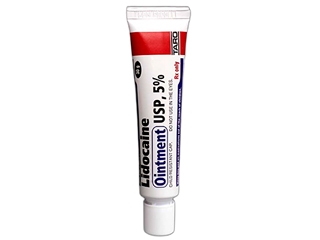
Xylocaine (Lidocaine): Patient Information for Australia
Basic Product Information
| International Nonproprietary Name (INN) | Lidocaine |
|---|---|
| Common Australian Brand Names | Xylocaine®, Lignocaine® |
| ATC Code | N01BB02 |
| Available Forms & Strengths |
|
| Manufacturers | Aspen Pharmacare Australia, Pfizer Australia, Mylan Health, and others |
| Legal & Prescription Status |
|
Mechanism of Action
For Patients:
Xylocaine (Lidocaine) works by blocking the signals in the nerves that send pain messages to the brain. It acts quickly to numb the area where it is applied or injected, providing local anaesthesia or pain relief.
For Healthcare Professionals:
Lidocaine is an amide-type local anaesthetic. It inhibits voltage-gated sodium channels on neuronal cell membranes, preventing the initiation and conduction of nerve impulses. This reversible blockade leads to analgesia and loss of sensation at the application site.
Pharmacokinetics
- Absorption: Rapid when injected; slower and variable with topical use (depends on site and formulation).
- Distribution: Widely distributed in body tissues. Crosses the blood-brain barrier and placenta.
- Metabolism: Primarily metabolised in the liver via CYP1A2 and CYP3A4.
- Elimination: Mainly via urine (as metabolites); elimination half-life is 1.5–2 hours (may be longer in hepatic impairment).
- Duration of Action: Typically 30–60 minutes for injections; 1–2 hours for topical forms or patches.
Use in Everyday Life and Best Practices
Xylocaine is commonly used in Australia for a variety of procedures and pain conditions, including dental interventions, minor surgical procedures, relief from mouth ulcers, sore throat, haemorrhoids, and certain chronic pain syndromes. Always use as directed by your doctor or pharmacist. Do not exceed the recommended dose or apply to large areas unless told by a healthcare professional.
- Injectable: Administered by healthcare professionals for local or regional anaesthesia during minor surgery or dental work.
- Topical gel/ointment/spray: For mouth, skin, or throat pain. Apply a thin layer to affected area up to a maximum frequency instructed by your pharmacist.
- Patch: For nerve pain relief (e.g., post-herpetic neuralgia); apply directly to the area as prescribed, usually for 12 hours on and 12 hours off.
- Mouthwash/rinse: To numb the mouth or throat before dental procedures or for mouth ulcers (do not swallow).
Typical Adult Doses: Vary by indication, but always follow the exact instructions of your healthcare provider as dosing may differ based on the location, form, and purpose.
Dosing: Morning vs Evening
- Morning Dosing: Preferred for patch application and certain chronic pain conditions to maximise daytime relief and physical function.
- Evening Dosing: May help with sleep for patients with nocturnal pain but can cause numbness/discomfort during sleep.
- Tips: Try to use at the same time daily. For procedures, your doctor will advise the exact timing. If you miss a dose (e.g., patch), apply as soon as remembered unless it’s nearly time for removal.
Taking with Food or on an Empty Stomach
- Oral gels/mouthwash: Usually best used after meals and oral hygiene, especially if the aim is pain relief during eating or brushing. Do not eat or drink for at least 30 minutes after application to allow full effect and avoid choking risk with numb throat/mouth.
- Injectable/patch/topical: Not affected by meals—use as directed.
- Australian diet context: Safe with all typical foods; no documented interaction with common Australian dietary habits.
Interaction Warnings
| Type | Potential Interaction | Advice |
|---|---|---|
| Alcohol | Large amounts may increase CNS side effects (drowsiness, dizziness) | Avoid heavy drinking during treatment |
| Heart Medicines | Certain antiarrhythmics (e.g. amiodarone, beta-blockers) may increase effects | Inform your doctor about all heart medications |
| Other Anaesthetics | May increase risk of toxicity | Use only under close medical supervision if combined |
| Liver Medicines | Medicines affecting liver enzymes (CYP1A2/3A4) can alter levels | Tell your doctor about all prescription and over-the-counter products |
| Food | No clinically significant food interactions | None needed |
Indications
| Indication | Official / Off-label |
|---|---|
| Local anaesthesia (minor surgery, dental procedures) | Official |
| Pain relief (mouth ulcers, sore throat, haemorrhoids) | Official |
| Nerve pain after shingles (post-herpetic neuralgia) | Official (patch) |
| Painful skin conditions (minor burns, insect bites) | Official |
| Premature ejaculation (topical use) | Off-label/conditional |
| Chronic pain syndromes (specialist guidance) | Off-label |
Dosing According to Clinical Indication
| Indication | Form | Adult Dose | Paediatric Dose | Elderly Dose |
|---|---|---|---|---|
| Local anesthesia (injection) | Injectable 1%/2% | 1–5 mL (max. 300 mg single dose) | 0.5–3 mg/kg under medical supervision | As adult; consider dose reduction if liver/heart issues |
| Mouth ulcers | Gel/ointment/spray | Small amount up to 3–4 times daily | Small amount (lower frequency as per GP) | As adult |
| Post-herpetic neuralgia | Patch 5% | Apply up to 3 patches to painful area for 12 hours/24h | Not routinely used; consult specialist | As adult but monitor closely |
| Premature ejaculation | Spray/gel (off-label) | Apply thinly to glans penis 10–15 min before intercourse | Not recommended | As adult |
Safety Profile and Side Effects
| Type | Frequency | Examples | Advice |
|---|---|---|---|
| Common | Up to 1 in 10 people | Local redness, mild burning, numbness, tingling | Usually mild and temporary, resolve without treatment |
| Less common | 1 in 100–1,000 | Allergic reaction (rash, swelling), dizziness, headache | Seek advice if persistent |
| Rare/severe | <1 in 1,000 | Difficulty breathing, severe rash, heart palpitations, seizures | Stop use and seek emergency care |
| Warnings | — | Do not apply to broken/infected skin; avoid eye contact; special caution if liver/heart conditions | Use under supervision if underlying health problems |
Guidelines for Proper Use (Australia)
- Always follow the instructions on your prescription and pharmacy label. Ask your pharmacist if unsure about the product or use.
- Never exceed recommended dose or frequency. If symptoms persist, see your GP.
- Do not use on large areas of skin, damaged or inflamed skin, or near eyes, unless directed by a healthcare professional.
- Dispose of used patches safely and keep products out of reach of children and pets.
- Let your doctor know if you are pregnant, breastfeeding, or taking any other medicines.
- For driving: Avoid operating machinery if you feel light-headed or your mouth/throat is numb after use.
- Contact the NPS MedicineWise or the Therapeutic Goods Administration (TGA) for extra medicine safety resources.
Alternative Treatment Options (Australia)
- Benzocaine (Orajel, Anbesol): Used for mouth ulcers/teething; shorter duration, possible allergy risk.
- Dyclonine: For oral pain; similar effect but less commonly available.
- Prilocaine (with lignocaine for skin procedures): Similar anaesthetic properties; can cause mild skin irritation.
- Non-pharmacological: Ice packs, saltwater rinses, rest for mild pain.
- Pros & Cons: Lidocaine is fast, versatile, and well tolerated. Alternatives may be chosen based on allergy, procedure, or personal preference and may or may not be listed on the PBS (Pharmaceutical Benefits Scheme).
Legal, Registration, and Reimbursement Status in Australia
- Registered with: TGA (Therapeutic Goods Administration Australia)
- Prescription status: Many forms S4 prescription-only medicine; topical gels ≤2% available OTC
- Reimbursement: Some presentations are subsidised under the PBS for specific indications (e.g., lidocaine patch for post-herpetic neuralgia)
- Supply: Widely available in community and hospital pharmacies; some forms require specialist prescription
Latest Research and Clinical Guidance (2022–2025)
- Australian and New Zealand College of Anaesthetists guidelines (2023) affirm the safety and effectiveness of lidocaine for local anaesthesia and certain chronic pain syndromes (ANZCA).
- TGA and NPS MedicineWise continue to update safety advice concerning overdose and accidental exposure, especially in children and elderly populations (NPS Finder, 2024).
- Two large Australian studies (2023–2024) have supported the use of lidocaine patch for nerve pain with minimal systemic side effects (see: Jones et al., 2023, _Aust Prescriber_ 46(4)).
- Recent literature continues to recommend careful dose adjustment in hepatic impairment and iterative monitoring for prolonged or repeated use (PubMed, Jones & Taylor, 2024).
Availability and Delivery in Australia
| Form/Pack Size | Typical Price Range (AUD) | Delivery Times (Melbourne/Sydney/Brisbane/Perth/Adelaide) |
|---|---|---|
| Gel 2% – 15g tube | $8–$15 | 1–2 days (Metro), 3–5 days (Regional/Remote) |
| Spray 10% – 50mL | $12–$20 | 1–3 days (Major cities) |
| Patches 5% – 5 patches | $40–$60 (PBS: $30 for eligible patients) | 2–4 days (Mainland capitals) |
| Injectable 1% – 20mL vial | $18–$28 | Same/next day (hospital pharmacy); 2–4 days online/GP clinics |
Please consult your pharmacist for up-to-date prices and delivery options. Express shipping often available to most metropolitan areas.
FAQ – Frequently Asked Questions
- Can I buy Xylocaine gel or spray without a prescription in Australia?
Yes, certain low-strength topical gels and sprays (usually ≤2%) are available over the counter in pharmacies. Higher strengths, injectable, or patch forms require a doctor's prescription. - Is it safe to use Xylocaine during pregnancy or breastfeeding?
Lidocaine is considered relatively safe for short-term, localised use during pregnancy and breastfeeding when used as recommended. However, always consult your doctor or pharmacist before using, especially for large or repeated areas of application. - What should I do if I experience numbness or tingling in other areas?
Numbness or tingling limited to the application area is expected. If you experience symptoms spreading or adverse effects such as dizziness, difficulty breathing, or palpitations, stop using the product and seek immediate medical attention. - Can children use Xylocaine?
Yes, but only at the dose and frequency recommended by a doctor or pharmacist, as children are more at risk of side effects. Never use adult-strength formulations without professional advice. - How long does the numbing effect last?
Depending on the form and area treated, numbness typically lasts from 30 minutes to 2 hours. For patches, pain relief may last the duration of application (12 hours).
For more information or individual advice, speak to your pharmacist, GP, or contact NPS MedicineWise on 1300 MEDICINE (633 424).