Naprelan (Naproxen) – Comprehensive Patient Information
1. Basic Product Information
| International Nonproprietary Name (INN) | Naproxen |
|---|---|
| Common Australia Brand Names | Naprelan, Naprosyn, Inza, Aleve* |
| Anatomical Therapeutic Chemical (ATC) Code | M01AE02 |
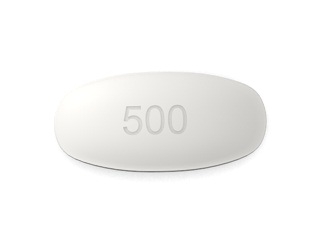
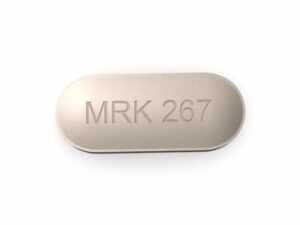
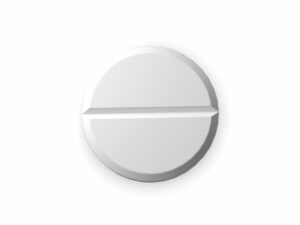
| Available Forms and Strengths | Tablets: 250 mg, 375 mg, 500 mg (regular and modified-release) |
| Manufacturers | Viatris, Aspen Pharmacare, Sandoz, and others |
| Prescription Status | Prescription only (S4) in Australia for higher strengths; some lower doses (e.g., Aleve) available OTC at pharmacies |
*Some brands and trade names may vary between states and territories.
2. Mechanism of Action
For Everyone: Naprelan contains naproxen, a widely-used nonsteroidal anti-inflammatory drug (NSAID). It works by blocking substances in your body (prostaglandins) that cause inflammation, pain, and swelling.
For Healthcare Professionals: Naproxen is a non-selective cyclooxygenase (COX-1 and COX-2) inhibitor which reduces the synthesis of prostaglandins by inhibiting the conversion of arachidonic acid. This leads to reduced inflammation, analgesia, and antipyretic effects.
3. Pharmacokinetics: How Naprelan Works in Your Body
- Absorption: Rapidly absorbed after oral administration; modified-release formulations provide gradual, consistent drug levels.
- Onset of Action: Typically within 1–2 hours for pain relief; peak effect may be delayed with extended-release forms.
- Distribution: Extensive plasma protein binding (~99%).
- Metabolism: Primarily hepatic (liver) metabolism via demethylation and glucuronidation to inactive metabolites.
- Elimination: Mainly excreted by the kidneys (renal route), with a half-life of 12–17 hours (longer than many NSAIDs).
- Duration of Action: Sustained relief for up to 12–24 hours with modified-release tablets.
4. Use in Everyday Life: Best Practices in Australia
As an NSAID, Naprelan is commonly prescribed in Australia for pain and inflammation due to conditions such as osteoarthritis, rheumatoid arthritis, ankylosing spondylitis, gout, and musculoskeletal injuries. It is also used for period pain (dysmenorrhoea) and other acute pain scenarios.
Typical Doses:- Adults: 250–500 mg twice daily (immediate-release), or 750–1000 mg per day (modified-release) as directed.
- Children (over 5 years): Dosing depends on indication and weight. Always follow your doctor’s directions.
- Elderly: Start at the lowest effective dose; increased monitoring for side effects.
How to use: Take tablets whole, with water. Do not crush or chew modified-release tablets. Take at the same time daily for best results.
5. Dosing in the Morning vs Evening
- Morning Dose: Preferred for osteoarthritis and regular pain control so peak levels align with daily activities. Helps avoid sleep disturbance from pain.
- Evening Dose: May be suitable for night-time pain (e.g., rheumatoid arthritis morning stiffness), following your doctor’s advice.
- Tip: Take doses at consistent times each day to maintain even drug levels. Use reminders, especially with twice-daily dosing.
- Practical Advice: Modified-release (e.g., Naprelan) is often taken once daily in the evening or morning; immediate-release may require more frequent dosing.
6. Should I Take Naprelan with Food? (Australia Dietary Habits)
Naprelan can be taken with or without food. However:
- Taking with food or milk can help reduce the risk of stomach upset or irritation—common with NSAIDs.
- High-fat meals may delay absorption but do not reduce effectiveness.
- In line with Australian dietary customs, taking medication with breakfast or dinner is a common and recommended practice.
If you have a history of stomach ulcers or gastrointestinal disease, always consult your doctor or pharmacist first.
7. Interaction Warnings
| Substance/Drug | Interaction / Warning |
|---|---|
| Alcohol | Increases risk of stomach bleeding and ulcers. Avoid heavy drinking; limit to national safe drinking guidelines. |
| Antihypertensives (ACE inhibitors, diuretics, beta-blockers) | Naprelan may reduce their effectiveness and worsen kidney function. |
| Warfarin, DOACs, other anticoagulants | Increased bleeding risk. Close monitoring needed. |
| Other NSAIDs (ibuprofen, aspirin) | Avoid double-dosing. Increased risk of GI and kidney side effects. |
| Lithium | May increase lithium blood levels (toxicity). |
| Methotrexate | Risk of methotrexate toxicity. Use caution. |
| SSRIs/Antidepressants | Combined use increases bleeding risk. |
| Corticosteroids | Higher risk of gastrointestinal ulcer or bleeding. |
8. Indications – When is Naprelan Used?
| Indication | Official (TGA Approved) | Off-Label (Clinical Practice) |
|---|---|---|
| Osteoarthritis | Yes | |
| Rheumatoid arthritis | Yes | |
| Ankylosing spondylitis | Yes | |
| Acute gout | Yes | |
| Musculoskeletal pain (strain, sprain) | Yes | |
| Dysmenorrhoea (period pain) | Yes | |
| Migraine headache | Yes | |
| Postoperative pain | Yes | |
| Fever (when paracetamol or ibuprofen unsuitable) | Yes |
9. Dosing According to Clinical Indication
| Indication | Adult Dose | Pediatric Dose | Elderly Dose |
|---|---|---|---|
| Osteoarthritis/Rheumatoid arthritis/Ankylosing spondylitis | 500–1000 mg/day (modified-release) | 10 mg/kg/day (max 1000 mg), divided | Start low (<500 mg), monitor closely |
| Acute pain/dysmenorrhoea | 500 mg initially, then 250 mg every 6–8 hours (max 1250 mg in 24 hrs) | Not routinely recommended | Lower starting dose; avoid high doses |
| Gout (acute attack) | 750 mg initially, then 250 mg every 8 hours until attack resolves | Not recommended | Use with great caution—high risks |
10. Safety Profile and Side Effects
Common Side Effects (1–10%):- Indigestion, heartburn, stomach pain, nausea
- Dizziness, headache
- Fluid retention (swelling in feet/ankles)
- Rash
- Stomach or intestinal ulcers and bleeding
- Severe allergic reaction (swelling of face, lips, tongue; trouble breathing)
- Kidney or liver problems—yellowing of skin/eyes, dark urine
- High blood pressure, heart attack or stroke (rare, but increased in those with existing risk factors)
- Avoid in pregnancy, especially after 30 weeks. Not recommended in breastfeeding unless directed by doctor.
- If you have a history of asthma, stomach ulcers, heart, liver, or kidney disease, consult your healthcare provider before use.
11. Guidelines for Proper Use (Australia Pharmacy/Clinic Advice)
- Always follow your doctor’s prescribed dose and frequency.
- Do not take more than the recommended dose or combine with other NSAIDs unless directed.
- Take with or after food if you experience stomach discomfort.
- Store at room temperature, away from heat and moisture.
- Report any side effects or unusual symptoms to your GP or pharmacist immediately.
- Ask for a medicines list at your pharmacy—important for those taking multiple medications.
- Regularly review your medicines, especially if you are over 65, pregnant, breastfeeding, or have chronic conditions.
12. Alternative Treatment Options
Other Drugs Subsidised by the PBS (Pharmaceutical Benefits Scheme):- Ibuprofen (Nurofen, Brufen) – Lower risk at low doses but shorter action
- Diclofenac (Voltaren) – Strong, but higher risk of cardiovascular events
- Celecoxib (Celebrex) – COX-2 selective, less stomach upset but possible heart risk
- Paracetamol (Panadol, Panamax) – Safer for long-term pain, weaker against inflammation
- Meloxicam (Mobic) – Once-daily, good for arthritis, check heart/kidney risks
Professional comparison: Naproxen has a relatively neutral cardiovascular profile compared to diclofenac/celecoxib. Consider alternative if you have stomach (GI) risks or severe heart problems.
13. Legal, Registration and Reimbursement Status in Australia
- Regulatory Body: Registered with the TGA (Therapeutic Goods Administration)
- Prescription Status: S4 (prescription-only) for Naprelan/Naprosyn; S2 (pharmacy medicine) for some low-dose naproxen (Aleve) packs
- Reimbursement: Many forms and indications are subsidised under the PBS (Pharmaceutical Benefits Scheme). Confirm with your pharmacist/GP for current eligibility.
- Legal Requirements: A valid prescription is required for most naproxen products. Always obtain from a licensed Australian pharmacy.
14. Latest Research and Clinical Guidance (2022–2025)
- Naproxen in Arthritis: Remains a first-line NSAID in Australia for osteoarthritis and rheumatoid arthritis (Australian Therapeutic Guidelines, 2023). New studies confirm its effectiveness with a cardiovascular safety profile similar to placebo in most patients.
- Safety Studies: Recent meta-analyses (BMJ 2023, Lancet Rheumatology 2024) support naproxen as safer for the heart compared to diclofenac/celecoxib, but GI risks persist if not taken with precautions.
- Chronic Use: Recommended to use the lowest effective dose for the shortest needed duration (Therapeutic Guidelines, 2023; RACGP updates 2024). Concurrent gastroprotection (proton pump inhibitors) advised in high-risk adults.
- Emerging Data (2025): No significant new drug interactions. Monitor for nephrotoxicity with other nephrotoxic drugs; genetic studies underway for individual response.
15. Availability and Delivery in Australia
| Pack Sizes | Common Cost (PBS subsidised / private) | Indicative Delivery Time* |
|---|---|---|
| 30 tablets (250, 375, or 500 mg MR) | $6.70–$30 (PBS concession/standard); up to $45/private | Sydney: 1–2 days Melbourne: 1–2 days Brisbane: 2 days Perth: 3–4 days Regional/Tasmania/NT: 3–7 days |
| 90 tablets | $15–$80, may vary by brand/strength | As above |
*Delivery times may vary depending on pharmacy and parcel carrier. See your pharmacy's website for live estimates.
16. Frequently Asked Questions (FAQ)
- Can I drive or operate machinery on Naprelan?
Most people can, but some experience dizziness or drowsiness. If you feel affected, avoid driving until you know how you react. - Is Naprelan safe in pregnancy or breastfeeding?
Not recommended in pregnancy, especially after 30 weeks. Limited data in breastfeeding; consult your doctor before using. - How soon will Naprelan work and how long will it last?
Pain relief usually starts within 1–2 hours; one dose may last from 12 to 24 hours with modified-release forms. - Can I take Naprelan with my other medicines?
Consult your pharmacist or doctor before combining with other medicines, especially blood thinners, antihypertensives or other anti-inflammatories. - What should I do if I miss a dose?
Take the missed dose as soon as you remember, but if it is close to the next scheduled dose, skip the missed dose and resume as normal—do not double your dose.
For further information or advice, visit your local pharmacy or contact your GP. Always read the Consumer Medicine Information leaflet included with your medicine.