
Imdur (Isosorbide Mononitrate): Patient Information for Australia
Basic Product Information
| International Non-proprietary Name (INN) | Isosorbide Mononitrate |
|---|---|
| Common Australia Brand Names | Imdur, Duride, Monodur, Ismo |
| ATC Code | C01DA14 |
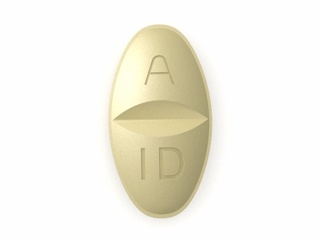
| Available Forms & Strengths | Modified-release tablets: 30 mg, 60 mg, 120 mg; immediate-release tablets (less common in Australia) |
| Manufacturers | AstraZeneca (Imdur); Apotex, Sandoz (generic brands); others |
| Prescription Status | Prescription Only (Schedule 4, S4 Medicine, Australia) |
Mechanism of Action
For Patients: Imdur contains isosorbide mononitrate, a nitrate medication used to prevent chest pain (angina) caused by heart disease. It works by relaxing and widening blood vessels, which helps increase blood flow to the heart, making it easier for the heart to pump and reducing the risk of angina attacks.
For Healthcare Professionals: Isosorbide mononitrate acts as a nitric oxide donor in the vascular smooth muscle. This leads to the activation of guanylate cyclase and an increase in cyclic guanosine monophosphate (cGMP), ultimately resulting in relaxation of vascular smooth muscle, predominantly affecting venous capacitance vessels and, at higher doses, arteriolar vessels.
Pharmacokinetics
- Absorption: Well absorbed orally; modified-release forms provide gradual, steady release.
- Metabolism: Undergoes hepatic metabolism; first-pass effect is minimal for mononitrate derivatives.
- Elimination: Mainly excreted in the urine as metabolites. Less than 2% is excreted unchanged.
- Duration of Action: Modified-release tablets usually provide coverage for up to 24 hours. Immediate-release lasts 4–6 hours.
- Onset of Action: Within 30–60 minutes (modified-release); 20–40 minutes (immediate-release).
Use in Everyday Life & Best Practices
Imdur is commonly prescribed in Australia for the prevention of angina symptoms. It is not suitable for treating acute angina attacks (for which glyceryl trinitrate spray or tablets are used). Tablets should be taken as your doctor prescribes, usually once daily in the morning to prevent tolerance (lessening of effect).
- Take Imdur at the same time each day to maintain steady levels in your system.
- Do not crush or chew modified-release tablets; swallow whole with water.
- If you miss a dose, take it as soon as you remember unless it is almost time for your next dose—do not double up.
- Store below 25°C, in a cool, dry place out of direct sunlight.
Dosing: Morning vs. Evening
- Morning dosing is standard to ensure a “nitrate-free interval” overnight. This helps prevent your body becoming tolerant, so the medicine stays effective.
- Evening dosing is generally avoided as it may reduce the nitrate-free interval and increase tolerance.
- Set reminders or align your dose with a daily routine (e.g., breakfast) for regularity.
- If you work night shifts or your routine differs, consult your healthcare provider for advice on timing.
Taking with Food or on an Empty Stomach
Imdur can be taken with or without food. Taking it with a light meal may help prevent stomach upset, but food does not significantly impact how the medicine works.
- For those with sensitive stomachs, taking Imdur after breakfast is common in Australia.
- Avoid grapefruit juice as it may alter the absorption of some medicines.
Interaction Warnings
Some substances may affect how Imdur works or increase side effects. Check with your doctor or pharmacist before taking new medications or supplements.
| Substance/Drug | Possible Effect | Advice |
|---|---|---|
| Alcohol | Increased dizziness, risk of fainting | Avoid or limit consumption |
| Phosphodiesterase-5 inhibitors (e.g., sildenafil, tadalafil, Viagra, Cialis) | Severe drop in blood pressure, can be life-threatening | Do NOT use together |
| Antihypertensives (e.g., beta blockers, calcium channel blockers) | Increased risk of low blood pressure | Discuss with doctor; monitor blood pressure |
| Other nitrates (glyceryl trinitrate, isosorbide dinitrate) | Risk of additive effects, severe hypotension | Use only under strict healthcare supervision |
| Ergot alkaloids (for migraine) | May reduce effectiveness of Imdur | Consult your GP or pharmacist |
Indications
| Indication | Comments |
|---|---|
| Prevention of stable angina pectoris (chest pain due to heart disease) | Main approved indication in Australia |
| Heart failure (adjunctive therapy) | Sometimes off-label, guided by specialist cardiac teams |
| Pulmonary hypertension | Rare, off-label, only under specialist care |
Dosing According to Clinical Indication
| Population/Indication | Recommended Dose | Notes |
|---|---|---|
| Adults (angina prevention) | 30-60 mg once daily (modified-release); may increase to 120 mg once daily if needed | Start with lower dose and adjust as directed |
| Elderly (≥65 years) | Same as adult dose; monitor for increased risk of side effects | Start at lower end of dose range |
| Children & Adolescents | Not recommended (safety and efficacy not established) | Only under specialist advice if at all |
| Heart failure (off-label) | Individualised; start at 30 mg once daily | Adjust under specialist care |
Safety Profile & Side Effects
All medicines can cause side effects, though not every patient experiences them. Contact your doctor or pharmacist if you experience troublesome or severe symptoms.
| Side Effect | Frequency | What to Do |
|---|---|---|
| Headache | Very common (first few days) | Usually mild and temporary; pain relievers may help |
| Dizziness or light-headedness | Common | Get up slowly from sitting/lying position |
| Flushing (warmth/redness of the skin) | Common | Often settles as your body adjusts |
| Nausea | Occasional | Take with food if needed |
| Low blood pressure (hypotension/fainting) | Rare (more in elderly) | Seek medical help if severe |
| Rash or allergic reaction | Very rare | Stop and seek immediate medical attention |
Warnings: Do not use if you are allergic to isosorbide mononitrate or other nitrates, or if you have severe low blood pressure, shock, or recent head trauma. Avoid with phosphodiesterase inhibitors.
Guidelines for Proper Use (Australia Context)
- Take Imdur at the time advised by your healthcare professional, usually after breakfast.
- Do not stop Imdur suddenly; this can increase your risk of angina attacks.
- Keep regular appointments for review, especially if you have other heart conditions.
- If you experience severe headache, discuss dose with your doctor—headaches often lessen after a few days.
- Do not share your medication—prescriptions are individual in Australia.
- Let your pharmacist and other doctors know you are taking Imdur, especially before procedures or surgery.
Alternative Treatment Options
- Glyceryl trinitrate (Nitrolingual, Anginine):
- Used for acute angina relief, not prevention.
- Works quickly; more suitable for on-demand use than long-term prevention.
- Other long-acting nitrates: Isosorbide dinitrate (mainly prescribed if Imdur is not tolerated).
- Shorter acting and less convenient because of more frequent dosing.
- Beta blockers (e.g., atenolol, metoprolol):
- Reduce heart rate and workload; suitable for some forms of angina and heart failure.
- Calcium channel blockers (e.g., amlodipine, verapamil):
- Broadly used for blood pressure, angina prevention, and are well-tolerated in most patients.
- Alternatives are all listed in the Pharmaceutical Benefits Scheme (PBS), and reimbursement depends on patient eligibility and indication.
Legal, Registration, and Reimbursement Status in Australia
- Australian Register of Therapeutic Goods (ARTG): Imdur and generics are fully registered, reviewed by the Therapeutic Goods Administration (TGA).
- Pharmaceutical Benefits Scheme (PBS): Imdur (isosorbide mononitrate) is subsidised for angina prevention. Your doctor will advise if you qualify for PBS reimbursement.
- Schedule 4 Medicine: Prescription required; available through community and hospital pharmacies.
- Supply for Overseas Visitors: Standard prescription requirements apply; traveller’s declaration may be needed.
Latest Research and Clinical Guidance (2022–2025)
- 2023 guidelines from the Cardiac Society of Australia and New Zealand (CSANZ) continue to recommend isosorbide mononitrate as a first-line option for chronic stable angina, especially in patients intolerant to beta blockers or calcium channel blockers.
- Recent reviews (BMJ, European Heart Journal 2024) note a strong safety record, but stress the importance of daily “nitrate-free” intervals to avoid tolerance.
- Emerging data suggest that individualising dose frequency and timing (using once-daily, morning dosing) maximises benefit and minimises side effects.
- There is no evidence supporting use in acute angina or in children.
- Patients with diabetes, elderly Australians, and women benefit from regular monitoring and tailored therapy, as highlighted in the National Heart Foundation’s 2024 position statement.
Availability and Delivery
Imdur is widely available in pharmacies across Australia on prescription.
| Pack Size | Strength | Indicative PBS Price | Regular Delivery Times* |
|---|---|---|---|
| 30 tablets | 60 mg | $16.40 (PBS general); $7.30 (concession) | Same day–2 days (Sydney, Melbourne, Brisbane); 2–4 days (regional) |
| 30 tablets | 120 mg | $21.10 (PBS general); $7.30 (concession) | Same day–2 days (Perth, Adelaide); 2–5 days (remote areas) |
*Delivery times may vary depending on local pharmacy stock and courier services. Most urban areas have next-day or same-day collection.
FAQ – Most Common Patient Questions
- Can I take Imdur with my blood pressure medicines?
Yes, but talk to your doctor or pharmacist as the combination may increase the risk of low blood pressure, causing dizziness or fainting. Doses can often be adjusted and you should be monitored closely, especially when starting or changing doses. - What should I do if I develop a severe headache after starting Imdur?
Headache is common at the start of Imdur therapy. It usually improves within a few days. Simple pain relief (like paracetamol) can help. If the headache is unbearable or lasts longer than a week, contact your doctor—dose adjustment or a different medicine may be needed. - Is it safe to drive or operate machinery while on Imdur?
Most people can drive safely on Imdur, but if you experience dizziness or light-headedness, wait until you feel settled before driving. Take extra care when starting the medicine or when your dose changes. - Can I drink alcohol while taking Imdur?
Alcohol may increase the risk of dizziness, lightheadedness, or even fainting while on Imdur. It is best to limit alcohol—discuss with your healthcare team if you have concerns. - Can I stop taking Imdur if I feel well?
Do not stop Imdur suddenly without consulting your doctor, as it may worsen your heart condition or increase angina risk. Always discuss any changes in your medication with your healthcare provider.
For more personalised advice, speak to your pharmacist, GP, or cardiac clinic nurse. This information is intended as a general guide and does not replace medical consultation.