Celebrex (Celecoxib) – Comprehensive Patient Guide for Australia
Basic Product Information
- Active Ingredient (INN): Celecoxib
- Australia Brand Names: Celebrex®, Celaxib, Celecoxib generics
- ATC Code: M01AH01
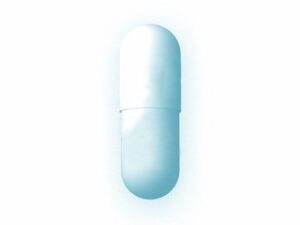
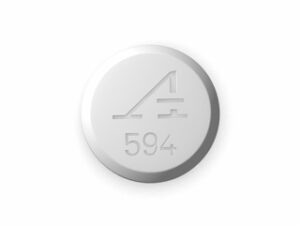
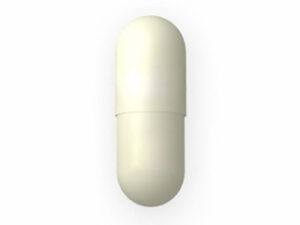
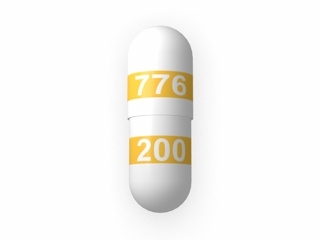
- Available Forms & Strengths: Capsules – 100 mg, 200 mg
- Manufacturers: Pfizer Australia, Ascent Pharma, Apotex, Sandoz, others
- Prescription Status: Prescription Only Medicine (Schedule 4 – S4)
Mechanism of Action
In simple terms: Celebrex belongs to a group of medicines called nonsteroidal anti-inflammatory drugs (NSAIDs). More specifically, it is a type of NSAID known as a selective COX-2 inhibitor. It works by reducing the production of chemicals (prostaglandins) in the body that cause pain and inflammation.
For specialists: Celecoxib preferentially inhibits the cyclooxygenase-2 (COX-2) enzyme, resulting in reduced synthesis of pain- and inflammation-causing prostaglandins. It has minimal effect on COX-1 at recommended doses, accounting for its gastrointestinal safety profile compared to non-selective NSAIDs.
Pharmacokinetics
- Absorption: Celecoxib is well absorbed orally, with peak plasma concentrations reached in 2–3 hours after a dose.
- Metabolism: Primarily metabolised in the liver by CYP2C9.
- Elimination: Excreted via urine (57%) and faeces (27%) as inactive metabolites.
- Duration of Action: Half-life in adults is 8–12 hours, so it is typically taken once or twice daily.
Use in Everyday Life and Best Practices
Celebrex is commonly prescribed in Australia for the management of pain and inflammation associated with osteoarthritis, rheumatoid arthritis, ankylosing spondylitis, and acute pain conditions (e.g., period pain). The typical adult dose is 200 mg to 400 mg per day, divided into one or two doses as needed. Celebrex should be taken exactly as your doctor or pharmacist directs, preferably with a glass of water.
Do not increase the dose or frequency without consulting your healthcare provider, and do not stop suddenly if you have been using it for a long period.
Dosing in the Morning vs Evening
- Morning dosing: May help control daytime symptoms and be easier to build into a routine. Particularly useful for conditions where morning stiffness or pain is prominent.
- Evening dosing: May be better for those who experience nighttime pain or stiffness.
- Consistency is key: Whichever time you choose, take Celebrex at approximately the same time each day. This maintains steady levels in your bloodstream and optimises pain relief.
- Tip: If you take it twice daily, try to space doses as evenly as possible (e.g., morning and evening, roughly 12 hours apart).
Taking With Food or on an Empty Stomach
Celebrex can be taken with or without food. Taking it with food may delay absorption slightly, but generally does not significantly impact its effectiveness. Some patients may prefer taking it with a meal or snack to reduce the risk of stomach upset, although Celebrex is less likely to cause stomach problems than traditional NSAIDs. If you follow a typical English diet, just try to take it at a time that’s easy to remember and stick with the same routine.
Interaction Warnings
| Type of Interaction | Details | Advice |
|---|---|---|
| Food | Minimal effects, but high-fat meals may delay absorption. | Can be taken with or without food. |
| Alcohol | Increases risk of stomach irritation or ulcers. | Limit alcohol use while taking Celebrex. |
| Other NSAIDs | Increases risk of side effects (e.g., ulcers, bleeding). | Avoid regular use with other NSAIDs such as ibuprofen or aspirin. |
| Blood Thinners | May increase risk of bleeding with warfarin, apixaban, rivaroxaban etc. | Consult your doctor about monitoring and possible dose adjustment. |
| ACE inhibitors, ARBs, Diuretics | May increase the risk of kidney problems, especially in elderly or dehydrated patients. | Monitor kidney function; maintain hydration. |
| Anti-depressants (SSRIs, SNRIs) | Increased risk of gastrointestinal bleeding. | Regular monitoring advised. |
| CYP2C9 Inhibitors | May affect Celebrex breakdown (e.g., fluconazole). | May require lower Celebrex dose. |
Indications
| Indication Type | Condition | Comments |
|---|---|---|
| Official (TGA-approved) | Osteoarthritis | Pain and inflammation management |
| Official (TGA-approved) | Rheumatoid arthritis | Pain and inflammation, both acute and chronic |
| Official (TGA-approved) | Ankylosing spondylitis | Relief of symptoms |
| Official (TGA-approved) | Primary dysmenorrhea | Pain relief for period pain |
| Off-label (common) | Acute musculoskeletal pain | Discretion of prescriber, especially if NSAID-sparing |
| Off-label (less common) | Gout flares | Short-term use |
Dosing According to Clinical Indications
| Indication | Adults | Elderly | Paediatric |
|---|---|---|---|
| Osteoarthritis | 200 mg per day (once or as 100 mg twice daily) | Start at lowest effective dose | Not generally recommended |
| Rheumatoid arthritis | 200–400 mg per day (split into 2 doses) | Start at lower end | Not generally recommended |
| Ankylosing spondylitis | 200–400 mg per day (split into 2 doses) | Individualised dosing | Not generally recommended |
| Primary dysmenorrhoea | 400 mg initial dose, then 200 mg if needed on day 1. Up to 400 mg/day as needed during period. | Not typically used | Not generally recommended |
| Acute pain | Individualised, up to 400 mg on day 1 then 200 mg/day if necessary | As for adults; assess kidney function | Not recommended |
Safety Profile and Side Effects
| Frequency | Side Effect |
|---|---|
| Common (1–10%) | Indigestion, stomach pain, diarrhoea, headache, high blood pressure, swelling of ankles/legs |
| Uncommon (0.1–1%) | Dizziness, heartburn, rash |
| Rare (<0.1%) | Allergic reactions, liver problems, severe skin reactions, asthma aggravation, kidney issues |
| Serious (seek urgent attention) | Chest pain, shortness of breath, weakness on one side, slurred speech, severe skin reactions (blistering, peeling) |
- Because Celebrex is a selective COX-2 inhibitor, it causes fewer stomach ulcers and bleeds compared with traditional NSAIDs but may increase blood pressure and, with long-term use, carries a small increased risk of cardiovascular events (like heart attack or stroke) in certain patients.
- If you have existing heart, kidney, or liver issues, discuss with your doctor whether Celebrex is suitable for you.
Guidelines for Proper Use (Australia context)
- Always take Celebrex as directed by your doctor or pharmacist.
- Take with water, with or without food (consider your comfort risk for upset stomach).
- Never take double doses to make up for a missed dose.
- Inform your doctor of all medicines you are taking (including over-the-counter and herbal) to avoid interactions.
- For ongoing (chronic) conditions, schedule regular checkups: blood pressure, kidney function, and gastrointestinal health.
- Dispose of unused capsules safely; do not flush down the toilet. Use a return service if available through your pharmacy.
Alternative Treatment Options
- Other NSAIDs (Prescription or OTC): Ibuprofen, naproxen, diclofenac (may have higher risk of stomach upset/bleeding)
- Paracetamol: First-line for osteoarthritis and mild pain, especially in older adults
- Topical NSAIDs: Diclofenac gel for localised pain, fewer systemic side effects
- Opioids: Reserved for severe pain not controlled by other means, associated with higher risks and dependence
- Non-Drug Alternatives: Physiotherapy, exercise, weight loss, heat/cold therapy, occupational therapy
Celebrex is typically preferred when traditional NSAIDs have caused stomach issues, or where long-term pain relief is needed but risk of gastrointestinal ulcers needs to be minimised. Paracetamol is often recommended first for mild osteoarthritis.
Legal, Registration, and Reimbursement Status in Australia
- TGA-approved: Registered by the Therapeutic Goods Administration for the indications above
- Prescription Required: Celecoxib is S4 (Prescription Only Medicine) and cannot be purchased over the counter
- PBS Status: Many Celebrex brands are listed on the Pharmaceutical Benefits Scheme (PBS) for certain approved conditions, allowing subsidised prices for eligible patients
- Supply: Only dispensed by registered community pharmacies on a valid script
- Legal classification: Not a controlled drug, but misuse or off-label use without medical supervision is not permitted
Latest Research & Clinical Guidance (2022–2025)
The latest guidance from the Australian Rheumatology Association (ARA, 2023) and The Lancet (2024) supports the use of celecoxib as a safe and effective pain reliever for osteoarthritis and rheumatoid arthritis, especially in patients at risk of gastrointestinal side effects from other NSAIDs. Recent meta-analyses (Smith et al, Annals Rheum Dis 2023; TGA Safety Update 2024) continue to confirm low rates of serious GI and cardiovascular events when prescribed appropriately. Both Australian and international guidelines recommend using the lowest effective dose for the shortest necessary duration and prioritising regular reviews.
Availability and Delivery in Australia
| Pack Size | Typical PBS Price | Private Price (approx.) | Delivery Time (Sydney) | Delivery Time (Melbourne) | Delivery Time (Brisbane) | Delivery Time (Perth) |
|---|---|---|---|---|---|---|
| 100 mg x 30 capsules | $6.70 (concession); $42 (general) | $15–$32 | Same/next day | Same/next day | 1–2 days | 2–4 days |
| 200 mg x 30 capsules | $6.70 (concession); $42 (general) | $17–$34 | Same/next day | Same/next day | 1–2 days | 2–4 days |
FAQ – Common Patient Questions
- Can I take Celebrex if I have a sensitive stomach? Yes, Celebrex is less likely than most traditional NSAIDs to cause stomach ulcers or irritation, but some risk remains. Taking it with food may help. If you have severe stomach problems or a history of ulcers, speak to your doctor before starting.
- Can Celebrex cause heart problems? All NSAIDs carry a small increased risk of heart attack or stroke, especially if used at high doses or for long periods. Celebrex has a favourable profile when used as directed, but is not recommended for people with recent or ongoing heart disease without careful evaluation.
- Is Celebrex addictive? No, Celebrex is not addictive and does not cause dependence. Only take it as prescribed.
- Can it be used with paracetamol? Yes, combining Celebrex with paracetamol is generally safe and may improve pain control. However, avoid using with other NSAIDs (e.g., ibuprofen) unless instructed by your doctor.
- What should I do if I miss a dose? Take your next dose as soon as you remember. If it’s nearly time for your next scheduled dose, skip the missed dose—do not double up. Continue your routine as prescribed.