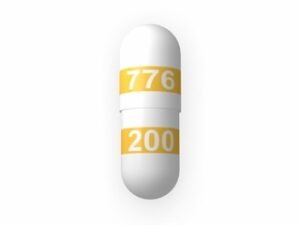

Voltaren (Diclofenac) – Patient Information for Australia
Basic Product Information
| International Non-Proprietary Name (INN) | Diclofenac |
|---|---|
| Common Brand Names (Australia) | Voltaren, Diclofenac Sandoz, Fenac, Fenpaed, Cataflam, Apo-Diclofenac |
| ATC Code | M01AB05 |
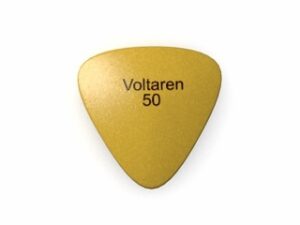
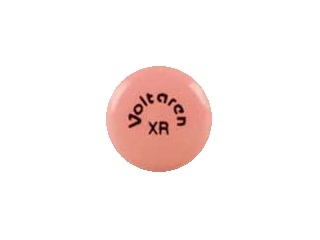
| Available Forms & Strengths |
|
| Major Manufacturers & Suppliers | Novartis, Sandoz, Arrow, Apotex, Pfizer, generic suppliers |
| Prescription Status | Prescription required (tablets, injectables); gel (lower strengths) available over the counter in pharmacies |
How Voltaren (Diclofenac) Works
Patient-friendly explanation: Voltaren relieves pain, swelling, and inflammation by blocking specific substances in your body called prostaglandins. These are responsible for making you feel pain and causing swelling, especially in conditions like arthritis or after an injury.
For healthcare professionals: Diclofenac is a nonsteroidal anti-inflammatory drug (NSAID). It acts primarily by inhibiting cyclooxygenase-2 (COX-2), with some activity against COX-1 pathways, leading to a reduction in prostaglandin synthesis. This results in its analgesic, antipyretic, and anti-inflammatory properties.
Pharmacokinetics
- Absorption: Well absorbed orally; peak plasma levels reached in 1–2 hours (immediate-release tablets); delayed with enteric/extended release forms.
- Distribution: Widely distributed, highly protein-bound.
- Metabolism: Extensively metabolised in the liver via CYP2C9 enzyme pathways.
- Elimination: Mainly excreted in urine (about 65%), rest via bile/feces.
- Duration of action: 6–8 hours (immediate release), up to 24 hours (extended release).
Using Voltaren in Everyday Life – Best Practices in Australia
Voltaren is often prescribed for short-term relief of pain and inflammation in conditions such as osteoarthritis, rheumatoid arthritis, back pain, sprains, tendonitis, and menstrual pain. Topical gels are widely used for localised musculoskeletal pain (joint or muscle injuries). Australians most commonly use it for joint pain (sports injuries, arthritis) and period pain.
Typical Doses & How to Use
- Tablets (adults): Usually 50–75 mg twice daily (max. 150 mg/day).
- Suppositories (adults): 50–100 mg at night; up to total max 150 mg/day.
- Gel: Thin layer applied 2–4 times per day to the affected area.
- Pediatric dosing: Only under medical supervision; doses adjusted by weight and age.
Dosing at Different Times of Day
Morning vs. Evening: Voltaren can be taken either in the morning or the evening, depending on symptom pattern and form of medicine. Many patients with morning stiffness take it at night to relieve symptoms by morning. Extended-release tablets are especially suited for once-daily evening dosing. Aim to take your dose at approximately the same time each day for best results.
- Advantages of evening dosing: Helps reduce morning stiffness or night pain.
- Morning dosing: Useful for daytime pain management.
- Tip: Find a routine that fits your lifestyle and stick to it.
Taking With Food or Empty Stomach
Voltaren is best taken with food or a glass of milk to help reduce the risk of stomach upset, indigestion, or gastric ulcers. For Australians, this means you can take it after breakfast, lunch, or dinner. Local dietary habits (such as lighter breakfasts or high caffeine intake) do not significantly alter effectiveness, but alcohol and large fatty meals should be avoided when using diclofenac.
Interaction Warnings
| Substance or food | Risk/Advice |
|---|---|
| Alcohol | Increases risk of stomach or liver side effects. Limit or avoid alcohol during treatment. |
| Warfarin, other blood thinners | Increases bleeding risk – doctor may need to adjust the dose or monitor closely. |
| ACE inhibitors, diuretics (e.g., blood pressure medicines) | Can reduce kidney function, especially in elderly or dehydrated. |
| Other NSAIDs, aspirin | Do not take together – increases risk of ulcers and bleeding. |
| Lithium, methotrexate | Can increase blood levels/toxicity – monitor required. |
| Corticosteroids | Increased risk of stomach bleeding; caution advised. |
| St John’s Wort & herbal supplements | May increase side effect risk. |
Always inform your doctor or pharmacist of all medications, vitamins, or supplements you use regularly.
Indications for Voltaren (Diclofenac)
| Indication | Status |
|---|---|
| Osteoarthritis, rheumatoid arthritis | Approved |
| Back pain, sprains, soft tissue injuries | Approved |
| Period pain (dysmenorrhoea) | Approved |
| Gout attacks | Off-label/occasional |
| Postoperative pain | Approved |
| Migraine | Off-label (suppository/tablet) |
| Pediatric fever/pain | Off-label, only under specialist guidance |
Dosing Schedules by Clinical Indication
| Indication | Adult | Pediatric | Elderly |
|---|---|---|---|
| Osteoarthritis | 50–100 mg/day in divided doses | Not routinely recommended | Use lowest effective dose; monitor closely |
| Rheumatoid arthritis | 100–150 mg/day in divided doses | By specialist advice only | Lower dose, shorter duration |
| Acute pain (back, sprain, etc.) | 50 mg every 8 hours (max. 150 mg/day; short-term) | By specialist advice only | Lowest dose; monitor |
| Dysmenorrhoea | 50 mg at onset, then 50 mg every 8 hours as needed (max. 150 mg/day) | Not routinely recommended | Use with caution, lower dose |
| Suppository (pain/migraine) | 100 mg at onset (max. once) | Specialist only | Lower dose, monitor GI/renal health |
Safety Profile and Side Effects
As with any medicine, Voltaren can cause side effects. The most common problems usually affect the stomach, but it can also affect the skin, heart, kidneys, or liver in rare cases. Topical formulations are less likely to cause side effects than tablets.
| Type | Examples | Warning signs |
|---|---|---|
| Very common / Common | Indigestion, nausea, diarrhoea, abdominal pain, headache, dizziness, rash (topical use) | Seek advice if persistent |
| Uncommon | Fluid retention, blood pressure rise, photosensitivity (sunburn risk), itching | Monitor, see GP if bothersome |
| Rare / Serious | Stomach ulcers/bleeding, severe skin reaction, jaundice (yellowing eyes/skin), black stools, chest pain, swelling of face or throat, shortness of breath, kidney problems | Seek urgent medical help |
Diclofenac should not be used in pregnancy (especially in the third trimester), while breastfeeding, or by people with stomach ulcers, severe kidney, liver, or heart problems, or those allergic to NSAIDs.
Guidelines for Proper Use (Pharmacist/Clinic Advice)
- Take with a meal or a glass of milk to protect your stomach.
- Do not exceed the prescribed dose or duration of treatment. Most courses last 1–2 weeks, maximum.
- If you miss a dose, take it as soon as you remember. Do not double your next dose.
- Speak with your pharmacist before using over-the-counter gels with other NSAIDs.
- Inform your GP or pharmacist if you develop any allergic symptoms, severe rash, or stomach pain.
- Protect treated skin from direct sunlight (especially with gels).
- Review use with your GP, especially if you are elderly or take medications for high blood pressure, kidney, or liver disease.
Alternative Treatment Options
- Paracetamol: First-line for mild/moderate pain; safe for most users; minimal gastrointestinal risk.
- Ibuprofen/Naproxen: Other oral NSAIDs with similar action; may be preferred in some patients; available over the counter.
- COX-2 inhibitors (e.g., celecoxib): Lower stomach risk but may not be suitable for patients with heart disease.
- Opioids (e.g., codeine): Prescription-only, used only in severe cases due to addiction risk.
- Physical therapies: Heat/cold packs, physiotherapy, exercise – recommended for many musculoskeletal pains.
Choice depends on the cause of pain, personal health history, and medical advice. Discuss options with your doctor or pharmacist before switching medications.
Legal, Registration & Reimbursement Status in Australia
- Registration: Listed with the Therapeutic Goods Administration (TGA).
- Legal status: Tablets and injectables are prescription-only; gels/creams (1%, 2%) up to specific pack sizes are pharmacist-only medicines (Schedule 2 or 3 under the Poisons Standard).
- Reimbursement: Many diclofenac tablet brands and generics are listed on the Pharmaceutical Benefits Scheme (PBS) for approved conditions (e.g., chronic arthritis).
- Prescribing: Only by registered Australian medical practitioners or endorsed nurse practitioners.
Latest Research and Clinical Guidance (2022–2025)
- New Australian and international guidelines (e.g., RACGP, Therapeutic Guidelines, British Medical Journal 2023) reinforce short-term, lowest effective dose strategies for all NSAIDs, including diclofenac, due to cardiovascular and gastrointestinal risk.
- Recent studies (Bally et al. 2022, JAMA) show topical diclofenac has a lower risk of serious side effects while still being effective for localised osteoarthritis pain.
- Diclofenac oral treatment is now not recommended as first-line for back pain; paracetamol and non-pharmaceutical modalities are preferred initially.
- People over age 65, with heart, stomach, kidney, or liver conditions, should use diclofenac only with very close monitoring and typically for the shortest possible period.
Availability, Pack Sizes & Delivery (>Australian Cities)
| Product | Pack sizes | Indicative price (AUD) | Major City Delivery (business days) |
|---|---|---|---|
| Voltaren 25 mg tablets | 30, 50, 100 | $12–$25 | Sydney: 1–2 Melbourne: 1–2 Brisbane: 2 Perth: 2–4 Adelaide: 2–3 |
| Voltaren Gel 1% | 50 g, 100 g, 150 g tubes | $10–$22 | All major cities: 1–4 |
| Diclofenac XR 100 mg tabs | 30, 60 | $19–$32 | Sydney: 1–2 Other cities: 2–4 |
| Suppositories 100 mg | 10, 20 | $19–$30 | Most cities: 2–3 |
Stock levels vary – contact your local pharmacy to confirm availability and eligibility for PBS reimbursement.
Frequently Asked Questions (FAQ)
1. Can I use Voltaren gel and tablets at the same time?
Yes, but only as advised by your doctor or pharmacist. While it can be safe for short-term use, avoid doubling up on NSAID treatments for long periods.
2. How long can I take Voltaren for pain?
For most pain conditions, Voltaren should be used for the shortest duration needed. Usually this means a few days up to 2 weeks. NEVER use longer without specific medical advice.
3. Is Voltaren safe while pregnant or breastfeeding?
No. Voltaren should be avoided, especially in the last trimester of pregnancy. Instead, paracetamol is usually recommended.
4. What foods or drinks should I avoid?
Avoid alcohol, excessive caffeine, or fatty/irritating foods. Always take Voltaren with food to reduce gastrointestinal upset.
5. When should I speak to my doctor straight away?
Seek urgent medical help if you develop severe stomach pain, black stools, chest pain, difficulty breathing, swelling of your face or throat, or yellowing of your skin or eyes.
For personalised advice, always consult with your pharmacist, GP, or pain specialist. Never start, stop, or combine medications without professional guidance.