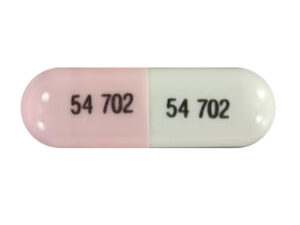


Chlorpromazine – Comprehensive Guide for Australian Patients
Basic Product Information
| International Non-proprietary Name (INN) | Chlorpromazine |
|---|---|
| Common Australia Brand Names | Largactil® (main), Chlorpromazine Sandoz®, generic brands |
| Anatomical Therapeutic Chemical (ATC) code | N05AA01 |
| Available Forms and Strengths | Tablets (10 mg, 25 mg, 50 mg, 100 mg), Syrup (25 mg/5 mL), Injection (25 mg/mL) |
| Manufacturers | Sanofi-Aventis, Sandoz, Aspen Pharma, various generics |
| Prescription Status (Australia) | Prescription Only Medicine (S4), not available over-the-counter |
Mechanism of Action
For patients: Chlorpromazine is a medicine that helps calm the brain. It works by blocking certain natural chemicals (like dopamine) that can affect your mood, thoughts, and behaviour. It’s mostly used for mental health conditions, but has several other uses.
For specialists: Chlorpromazine is a typical (first-generation) antipsychotic of the phenothiazine class. It primarily acts as a dopamine D2-receptor antagonist, and also blocks alpha-adrenergic, histaminergic, and muscarinic receptors, making it effective for psychosis, nausea, and severe agitation.
Pharmacokinetics
- Absorption: Well absorbed orally; peak plasma concentrations within 2–4 hours (oral).
- Metabolism: Extensively metabolised in the liver; active and inactive metabolites formed via CYP450 enzymes.
- Elimination: Excreted mostly in urine and faeces; only a small fraction is excreted unchanged.
- Duration of Action: 6–24 hours, depending on route, dose, and individual patient factors.
Use in Everyday Life and Best Practices
Chlorpromazine is most commonly used for managing symptoms of schizophrenia, psychosis, and mania, and for controlling severe behavioural problems. In Australia, it can also be prescribed for acute agitation, persistent hiccups, severe nausea and vomiting (when other treatments have not worked), tetanus, and premedication before surgery.
Typical Doses: The dose depends on the condition being treated and the patient’s age and health. Medicines must only be used as prescribed by your doctor.
How to Use:
- Take tablets with a glass of water; shake liquid thoroughly if using syrup form.
- Always follow your doctor’s advice for timing and dose—never self-adjust.
- Injectable forms are given by healthcare professionals.
Dosing: Morning vs Evening
Advantages: Taking chlorpromazine in the evening is often advised, especially if drowsiness or sedation is an issue, as this can help with sleep and reduce daytime tiredness.
Disadvantages: Some patients may need smaller doses during the day if symptoms worsen or if drowsiness is mild.
Tips: Try to take chlorpromazine at the same times each day to maintain steady levels in your body. Discuss any changes in your routine or shift work with your doctor or pharmacist.
Taking with Food or on an Empty Stomach
Chlorpromazine can be taken with or without food. Some Australian patients prefer taking it with a light meal or after food to reduce the chances of stomach upset. Foods common in the English diet—such as toast, cereal, or tea—do not generally interact with this medication, but high-caffeine drinks may worsen side effect like restlessness or tremor.
Interaction Warnings
- Avoid alcohol – increases sedation and risk of dangerous side effects.
- Other sedatives (sleeping tablets, strong pain killers) – increased drowsiness and risk of breathing problems.
- Antidepressants, antihistamines, some blood pressure or heart medications – may interact with chlorpromazine’s effects on the brain, heart, and blood pressure.
- Certain antibiotics (like erythromycin) and antifungals – can affect the way your body handles chlorpromazine (possible toxicity).
- Food interactions: Grapefruit juice should be avoided as it can alter the metabolism of the drug.
| Interaction Type | Examples | Advice |
|---|---|---|
| Alcohol | Beer, wine, spirits | Do not drink alcohol while taking chlorpromazine. |
| Other CNS depressants | Benzodiazepines, opioids, sedating antihistamines | Avoid if possible; monitor extra drowsiness if prescribed together. |
| Anticholinergic drugs | Certain Parkinson’s, bladder, or hay fever medicines | Check with pharmacist; may increase confusion/urinary retention. |
| QT-prolonging medications | Some antiarrhythmics, antibiotics | Doctor will check for risk; ECG may be needed. |
| Food | Grapefruit juice | Avoid; can raise blood levels of the drug. |
Indications (Official and Off-label)
| Condition | Status | Notes |
|---|---|---|
| Schizophrenia and psychotic disorders | Official | Main indication in Australia |
| Mania in bipolar disorder | Official | Often as short-term or adjunctive treatment |
| Severe behavioural problems (children/adolescents) | Official | Always specialist-supervised |
| Persistent hiccups | Official | If other treatments fail |
| Severe nausea/vomiting (incl. palliative care) | Official | When first-line antiemetics are not suitable |
| Tetanus adjunct therapy | Official | Only in hospital setting |
| Off-label (restlessness, severe anxiety) | Off-label | Rarely used; best discussed with specialist |
Dosing According to Clinical Indication
| Indication | Adults | Children (6+) | Elderly |
|---|---|---|---|
| Psychosis/Mania (Oral) | Initial: 25–100 mg 2–3 times/day; Max: 1 g/day | 0.5 mg/kg every 4–6 h; Max: 75 mg/day | Half normal adult dose, titrate slowly |
| Persistent hiccups | 25–50 mg 3–4 times/day (oral or IM) | Specialist advice only | Use lower adult end, monitor closely |
| Severe nausea/vomiting | 10–25 mg every 4–6 h (oral, IM, or IV) | As above | Start low; monitor for confusion |
| Other hospital uses | Per protocol—see specialist dosing | Per protocol | Per protocol |
Note: Exact dosing is highly individual. Always follow dispensing labels or professional instructions. Dose may be different for off-label uses or in complex/chronic care.
Safety Profile / Side Effects
Like all medicines, chlorpromazine may cause side effects. The following table and list summarise main known risks. Seek help if you notice severe or unusual symptoms.
| Type | Examples | Advice |
|---|---|---|
| Very common / Common (>1/10, >1/100) | Drowsiness, dry mouth, blurred vision, constipation, dizziness, weight gain, photosensitivity (sensitivity to sunlight), low blood pressure, restlessness | May settle with time; mention at pharmacy reviews. |
| Less common / Uncommon (<1/100, <1/1,000) | Movement disorders (stiffness, tremor, involuntary movements), menstrual changes, breast swelling/discharge | Discuss promptly with doctor if persistent. |
| Rare but serious | Seizures, jaundice (yellow skin/eyes), severe skin rash, fever & muscle rigidity (neuroleptic malignant syndrome), heart rhythm disturbances | Seek urgent medical attention. |
- Special Warnings: Risk of falls (especially elderly), stroke, heat sensitivity, and sunburn increase.
- Regular blood and ECG tests may be needed if on long-term, high-dose therapy.
- Report any sudden behaviour changes, confusion, or uncontrollable movements.
Guidelines for Proper Use (Pharmacy Advice for Australians)
- Store at room temperature, away from direct sun and moisture.
- Carry a list of all your medicines, especially for hospital visits
- Do not stop taking suddenly unless told by your doctor—serious withdrawal or symptom rebound may occur.
- If you forget a dose, take it as soon as you remember unless it’s almost time for your next dose—do not double up.
- Use hats, sunscreen and protective clothing in the sun, as chlorpromazine can cause severe sunburn and skin discolouration (photosensitivity).
- Tell your dentist, eye doctor, or any new prescriber that you are taking chlorpromazine.
- Medicines Line: Call 1300 MEDICINE for free, confidential advice in Australia.
Alternative Treatment Options (PBS-covered)
- Other Typical Antipsychotics: Haloperidol, trifluoperazine – effective but can have similar side effects (especially movement/tremor problems).
- Atypical (second-generation) antipsychotics: Risperidone, olanzapine, quetiapine, aripiprazole – often preferred due to lower rates of movement side effects but may cause weight gain or diabetes (all are PBS-listed for psychosis and bipolar dose forms).
- Non-drug approaches: Supportive therapy, psychology, or specialist mental health support (always part of comprehensive Australian mental health care).
Legal, Registration, and Reimbursement Status in Australia
- Legal status: Schedule 4 (S4) Prescription Only Medicine—only supplied on a doctor’s prescription.
- Therapeutic Goods Administration (TGA): Registered medicine; product must meet Australian safety, quality, and efficacy standards.
- Pharmaceutical Benefits Scheme (PBS): Chlorpromazine is subsidised for approved indications (psychiatric conditions) under the PBS. Check your prescription for PBS eligibility—most brands covered.
- Prescribing and dispensing: Only by qualified Australian medical practitioners/pharmacists in compliance with national and state law.
- Repatriation Pharmaceutical Benefits Scheme (RPBS): The medicine may be further subsidised for eligible veterans.
Latest Research and Clinical Guidance (2022–2025)
- Schizophrenia guidelines (RANZCP, 2022–2024): Chlorpromazine remains an option for treatment-resistant cases or where newer agents are unsuitable.
Reference: Royal Australian and New Zealand College of Psychiatrists clinical practice guidelines for schizophrenia (2022) - Side effect minimisation: Current trend is to use the lowest effective dose, monitor weight/metabolic risks, and prefer second-generation (atypical) antipsychotics when possible (The Lancet Psychiatry, 2023).
- Off-label uses: Recent British and Australian reviews (BMJ 2023) highlight off-label efficacy for persistent hiccups and severe agitation, but emphasise specialist supervision.
- Digital health & adherence: More Australian clinics now use electronic scripts and text reminders to improve regular medicine use and check-in for side effects (Australian Journal of Pharmacy, 2024).
Availability and Delivery
- Popular pack sizes: 30, 56, 100 tablets/pack. Liquid forms in 100 mL or 200 mL bottles. Injections by hospital supply only.
- Indicative price: PBS price (co-pay) as of March 2024: $7.30 (concession) or $32.60 (general), per script or up to 100 tablets.
| City | Standard Delivery (Pharmacy) | Express Delivery (if offered) |
|---|---|---|
| Sydney | 1–2 days | Same day |
| Melbourne | 1–2 days | Same day |
| Brisbane | 1–2 days | Next day |
| Perth | 2–4 days | 1–2 days |
| Adelaide | 1–2 days | Next day |
| Rural/Remote | 2–7 days | N/A or by arrangement |
Check with your chosen pharmacy for up-to-date local stock and delivery options. Larger pack sizes or liquids may require a special order in some regions.
Frequently Asked Questions (FAQ)
- Is chlorpromazine addictive?
No, chlorpromazine is not addictive, but you should not stop it abruptly. Stopping suddenly can cause withdrawal symptoms or a return of your original condition. Always discuss any changes with your doctor. - How long will I need to take chlorpromazine?
This varies by condition—some people take it for only a few weeks, others for several months or longer. Your doctor will review your need for the medicine at regular appointments. - Can I drink alcohol while taking chlorpromazine?
No. Alcohol increases the risk of dangerous drowsiness, confusion, and other side effects. Avoid all types of alcohol, including beer and wine. - What should I do if I miss a dose?
Take your missed dose as soon as you remember, unless it’s almost time for your next dose. Never take a double dose to make up for one you missed. - Will I gain weight on chlorpromazine?
Weight gain is a common side effect. Ask your doctor, pharmacist, or dietitian for advice about healthy eating and regular exercise suited to the Australian lifestyle.