
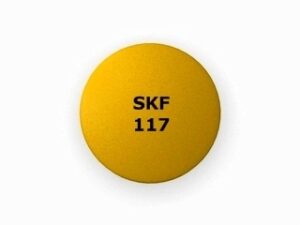
Anafranil (Clomipramine Hydrochloride): Patient Information Sheet
Basic Product Information
| International Non-Proprietary Name (INN) | Clomipramine Hydrochloride |
|---|---|
| Australia Brand Names | Anafranil® (Alphapharm); generic brands may be available |
| ATC Code | N06AA04 |
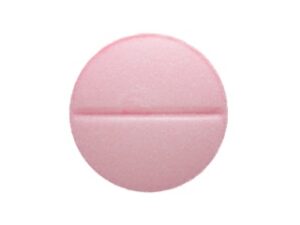
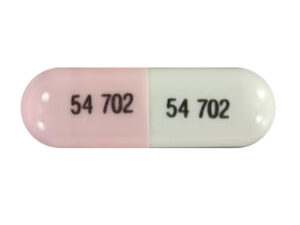
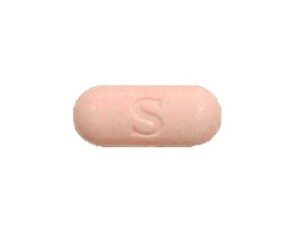
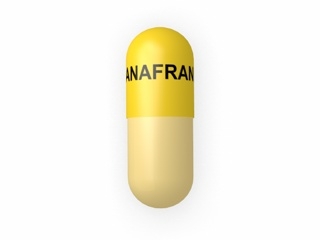
| Available Forms and Strengths | Tablets: 10 mg, 25 mg, 50 mg Capsules: 25 mg, 50 mg, 75 mg Slow-release (Anafranil SR): 75 mg Oral drops (available in some instances) |
| Manufacturers | Alphapharm Pty Ltd; Sandoz; other generic manufacturers |
| Prescription Status (Australia) | Prescription only medicine (Schedule 4; S4) |
Mechanism of Action
In simple terms: Anafranil is a tricyclic antidepressant (TCA). It works by increasing the levels of natural chemicals called serotonin and noradrenaline in the brain. These chemicals help improve mood, control anxiety, and reduce obsessive thoughts and behaviours.
For healthcare professionals: Clomipramine primarily blocks serotonin (5-HT) reuptake, yielding pronounced serotonergic activity, and, to a lesser extent, inhibits noradrenaline and dopamine reuptake. Additional antagonism at muscarinic, histaminic H1, and alpha1-adrenergic receptors contributes to its pharmacological profile and potential side effect burden.
Pharmacokinetics
- Absorption: Clomipramine is well-absorbed from the gastrointestinal tract after oral administration. Peak plasma levels are usually achieved within 2–6 hours after ingestion.
- Metabolism: Extensively metabolised in the liver, primarily via CYP2D6, producing active metabolites (notably desmethylclomipramine).
- Elimination: Mainly excreted via urine (as metabolites); minor excretion in faeces.
- Half-life: Clomipramine's elimination half-life ranges from approximately 12 to 36 hours (desmethylclomipramine: 20–80 hours).
- Duration of action: Symptom control may require several weeks; dosing is typically once or twice daily.
Use in Everyday Life and Best Practices (Australia Context)
Anafranil is commonly prescribed to treat a range of conditions, most notably depression (especially with agitation or anxiety), obsessive-compulsive disorder (OCD), and panic disorders. Its use in Australia aligns with recommendations from the Therapeutic Goods Administration (TGA) and national psychiatry guidelines.
Typical Doses:
- Depression/Anxiety: Starting dose 25 mg per day, adjusted by your doctor to a target dose (usually 75–150 mg daily).
- OCD: Often higher doses are needed, but always tailored to individual response and tolerability.
- Panic disorder/agoraphobia: Start low, increase gradually to the lowest effective dose.
Australian best practice: Medication reviews by your GP or pharmacist, checks for interactions, and regular monitoring are standard. Anafranil is generally not recommended as first-line treatment, but may be chosen where other options have been unsuitable or ineffective.
Dosing in the Morning vs Evening
- Morning dosing: May help reduce sleep disturbances, but can increase feelings of drowsiness for some patients.
- Evening dosing: May be preferred if Anafranil makes you tired or sleepy. Extended-release or divided doses can be considered if recommended by your doctor.
- Try to take Anafranil at the same time(s) each day to maintain steady blood levels.
- Discuss with your doctor or pharmacist which time is best for your symptoms and lifestyle; flexibility is possible but regularity is critical.
Taking with Food or on an Empty Stomach
- Can be taken with or without food. If it upsets your stomach, try taking it after a meal or with a light snack.
- Meals have only a minor effect on absorption but may help reduce gastrointestinal side effects (e.g., nausea).
- With the typical English diet (including breakfast cereals, tea, sandwiches, etc.), no specific food restrictions apply.
Interaction Warnings
| Interaction | Risks/Advice |
|---|---|
| Alcohol | Increases risk of drowsiness, impaired coordination; avoid or minimise intake. |
| MAO Inhibitors | May cause severe interactions—do not use together; MAOI washout period required. |
| Other antidepressants (SSRIs, SNRIs, TCAs, lithium) | Risk of serotonin syndrome, increased side effects—consult your doctor if combined. |
| Anticholinergics (including some antihistamines) | Increased risk of dry mouth, constipation, urinary retention. |
| Antihypertensives, anti-arrhythmics | May increase or reduce blood pressure; monitor closely. |
| Food (grapefruit juice, St John’s wort) | Avoid grapefruit (may increase blood levels unpredictably); avoid herbal remedies unless your doctor approves. |
| Other central nervous system (CNS) depressants | May cause excessive drowsiness or respiration problems. |
Indications
| Indication | Official Status (TGA/Australia) | Notes |
|---|---|---|
| Obsessive-Compulsive Disorder (OCD) – adult and paediatric (≥10 years) | Approved | First-line for severe OCD, particularly when SSRIs are not effective |
| Depressive disorders (including major depressive disorder) | Approved | Reserved for moderate–severe depression or when other antidepressants are not suitable |
| Panic disorder, agoraphobia | Approved | For patients who have not responded to other treatments |
| Cataplexy associated with narcolepsy | Off-label | Specialist-prescribed; supports specific symptom control |
| Chronic pain syndromes, premature ejaculation, other anxiety disorders | Off-label | Specialist use only |
Dosing According to Clinical Indication
| Population | Indication | Starting Dose | Typical Maintenance Dose | Maximum Daily Dose |
|---|---|---|---|---|
| Adults | OCD, Depression | 25 mg (evening) | 100–150 mg (often divided, morning and evening) | 250 mg |
| Paediatric (10–17 years) | OCD | 25 mg/day | 50–200 mg | 200 mg |
| Elderly | Depression, agitation | 10 mg/day | 30–50 mg | 100 mg |
Note: Actual dose may be adjusted by your healthcare provider based on response and tolerance. Dose changes are made gradually.
Safety Profile & Side Effects
| Common Side Effects | Rare/Serious Side Effects | Warnings |
|---|---|---|
|
|
|
Guidelines for Proper Use
- Always take as prescribed by your healthcare provider. Do not skip or double doses.
- Let your doctor and pharmacist know about all other medications (prescribed, over-the-counter, supplements) you take.
- Do not stop taking abruptly without medical advice. Dose should be reduced gradually if stopping is needed.
- Check how you react to the medicine before driving or operating machinery. Drowsiness and slowed reaction can occur.
- Report any unusual, severe or persistent side effects straightaway.
- Store at room temperature, away from moisture and direct sunlight. Keep out of reach of children.
- Attend regular follow-up appointments as directed. Your GP or specialist may recommend blood tests or ECG monitoring.
Alternative Treatment Options
- SSRIs (e.g., fluoxetine, sertraline, fluvoxamine): Often first-line for depression and OCD. Fewer side effects compared to TCAs.
- SNRIs (e.g., venlafaxine): Another modern option with good tolerability, but sometimes less effective for OCD.
- Other TCAs (e.g., amitriptyline, nortriptyline): May be used, but similar side effect profile as Anafranil.
- Psychological therapy (CBT): Especially effective for OCD and panic disorder, often combined with medication.
- Non-drug therapies: Mindfulness, exercise, and other self-care measures may provide benefit.
Pros of Anafranil: Especially effective for severe or resistant OCD. Also useful in depression with mixed symptoms.
Cons: Higher risk of side effects; potential for dangerous interactions; may not be suitable as first option.
Legal, Registration, and Reimbursement Status in Australia
- Registration: Approved by the Therapeutic Goods Administration (TGA).
- Legal Category: Schedule 4 (Prescription Only Medicine).
- Reimbursement: PBS-subsidised for major approved uses (OCD, certain forms of depression/panic disorders). Your pharmacist can advise if your prescription qualifies for subsidy.
- Prescribing: Only available on prescription from a GP or psychiatrist; periodic reviews recommended as per Australian clinical guidelines.
Latest Research and Clinical Guidance (2022–2025)
- Royal Australian and New Zealand College of Psychiatrists (RANZCP) 2023 guidance continues to list Anafranil as a key agent for severe OCD, especially where SSRIs are not effective (RANZCP).
- Recent international systematic reviews (JAMA Psychiatry, 2022–2024) reaffirm its effectiveness for OCD, though side effect monitoring is essential.
- Meta-analyses suggest tricyclics including Anafranil remain option for resistant depression but require individual risk-benefit assessment ([Taylor et al., The Lancet Psychiatry, 2023](https://www.thelancet.com/psychiatry)).
- No significant changes to mandatory safety warnings issued by the TGA (as of June 2024).
Availability and Delivery
| Pack Size | Form/Strength | Indicative Retail Price (AUD)* |
|---|---|---|
| 30 tablets | 25 mg | $13–$17 |
| 50 tablets | 10 mg | $19–$25 |
| 30 tablets | 75 mg (SR) | $37–$46 |
| 100 capsules | 25 mg | $40–$55 |
*Prices vary by pharmacy and brand; PBS subsidies may significantly reduce out-of-pocket cost.
Delivery times (from metropolitan pharmacy warehouses):
| City | Estimated Delivery Time |
|---|---|
| Sydney | Same day – 2 business days |
| Melbourne | 1–2 business days |
| Brisbane | 1–3 business days |
| Perth | 2–4 business days |
| Adelaide | 1–2 business days |
| Darwin, Hobart, regional areas | 3–5 business days |
Frequently Asked Questions (FAQ)
How long does it take for Anafranil to work?
Some improvement can be seen in 2 weeks, but full benefit—especially for OCD—may take 4–8 weeks. Always continue as directed.
Can I drink alcohol while taking Anafranil?
It is best to avoid alcohol, as it can increase drowsiness, dizziness, and risk of side effects.
What should I do if I miss a dose?
If you forget a dose, take it as soon as you remember unless it’s close to your next dose. In that case, skip the missed dose—do not double up.
Is Anafranil safe in pregnancy or breastfeeding?
Use during pregnancy or while breastfeeding should be discussed with your doctor. The risks and benefits must be carefully evaluated. Alternatives may be recommended.
Can Anafranil be stopped suddenly?
No, abrupt discontinuation can trigger withdrawal symptoms. Always consult your doctor to gradually reduce the dose if stopping is necessary.
This information is intended as a general guide and does not replace consultation with a qualified healthcare professional. If you have further questions or concerns about Anafranil, speak with your GP, pharmacist, or mental health specialist.