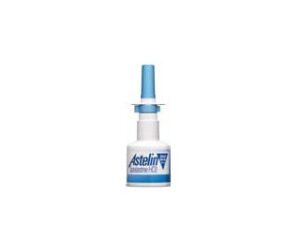
Azelastine: Comprehensive Patient Information for Australia
Basic Product Information
| International Nonproprietary Name (INN) | Azelastine |
|---|---|
| Brand Names in Australia | Azep®, Rhinolast®, Zyrtec Nasal Dual Action® |
| ATC Code | R01AC03 |
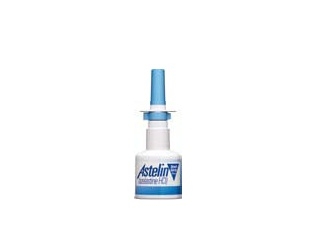
| Available Forms & Strengths | Nasal spray (0.1%, 0.15%), Eye drops (0.05%), Oral tablets (not registered in Australia) |
| Manufacturers | Mylan Health, Meda Pharmaceuticals, Viatris |
| Prescription Status | Pharmacy Only (nasal spray and eye drops as Schedule 2 and Schedule 3 medicines depending on pack size and indication; full strength/large packs may require prescription) |
Mechanism of Action
For Patients: Azelastine is an antihistamine. This means it helps block the action of histamine—a chemical released by your body during allergic reactions. By blocking histamine, Azelastine reduces symptoms like sneezing, itchy nose, runny nose, and eye irritation.
For Specialists: Azelastine is a selective H1-receptor antagonist. It also stabilises mast cells and inhibits the release of pro-inflammatory mediators such as leukotrienes and platelet-activating factor (PAF), offering both anti-allergic and anti-inflammatory effects.
Pharmacokinetics
- Absorption: Azelastine, when administered intranasally, is minimally absorbed into the bloodstream (systemic availability about 40%). After ocular use, absorption is even lower.
- Metabolism: Metabolised in the liver primarily via CYP3A4 to the active metabolite desmethylazelastine.
- Elimination: Mainly excreted through feces and urine. Terminal half-life after nasal use: 22 h; after eye drops: 20-25 h.
- Duration of Action: Relief starts within 15 minutes of use and can last up to 12 hours or more.
Use in Everyday Life & Best Practices (Australian Context)
Azelastine is most commonly used for treating hay fever (allergic rhinitis) and allergic conjunctivitis, which are frequent in Australia due to high levels of pollen and regional allergens.
Typical Doses:
- Nasal Spray: Adults and adolescents (over 12 years): 1–2 sprays in each nostril, twice daily (morning and evening). Children 5–11 years: 1 spray per nostril, twice daily (only for some products; check packaging and pharmacy advice).
- Eye Drops: Instil 1 drop into each affected eye twice daily (can increase to 4 times if necessary).
- Gently blow your nose before using the nasal spray.
- Shake the bottle well. Remove the cap and prime the spray (pump a few times in the air if new).
- With your head upright, insert the nozzle into your nostril, close the other nostril, and spray the recommended dose.
- Avoid sneezing or blowing your nose immediately after use.
- For eye drops: Wash hands, tilt head back, gently pull down the lower eyelid, install a drop, avoid contact with the tip, and close eyes gently.
Dosing in the Morning vs Evening
- Advantages of Morning Dosing: Reduces allergy symptoms during daytime activities.
- Advantages of Evening Dosing: Can help prevent morning allergy symptoms, especially for those disturbed by congestion or sneezing at night.
- Best Practice: Use twice daily, spaced about 12 hours apart. Try to dose at the same times for best effect. Adjust timing based on symptom pattern and daily routine.
Taking with Food or on an Empty Stomach
Azelastine nasal spray and eye drops are generally not affected by food. You can use them before or after eating. This is especially convenient for the Australian lifestyle, which often includes early breakfasts and communal dinners. Tablets (not available in AU) are best taken on a similar schedule, but most Australians will only use nasal or ocular forms.
Interaction Warnings
| Substance or Condition | Interaction or Warning |
|---|---|
| Alcohol | May enhance sedative effects. Caution is advised. |
| Other sedatives (e.g. sleeping tablets, anxiety medicines) | Possible additive drowsiness. Avoid unless prescribed together. |
| Macrolide antibiotics (e.g. erythromycin) | No significant interactions reported, but caution with long-term use. |
| Ketoconazole & other CYP3A4 inhibitors | Theoretical increase in azelastine concentration. Unlikely with nasal/ocular forms, but flag with pharmacist if concerned. |
| Grapefruit juice | No clinically relevant effects with nasal/ocular forms, but avoidance minimises risk. |
| Pregnancy & breastfeeding | Consult your doctor. Safety is not established; use only if clearly needed. |
Indications
| Indication | Status | Form |
|---|---|---|
| Allergic rhinitis (hay fever) | Approved | Nasal spray |
| Vasomotor rhinitis (non-allergic rhinitis) | Off-label | Nasal spray |
| Allergic conjunctivitis | Approved | Eye drops |
| Chronic idiopathic urticaria | Off-label (not registered in AU) | Tablet (not available in Australia) |
Dosing According to Clinical Indications
| Indication | Population | Recommended Dose |
|---|---|---|
| Allergic rhinitis (nasal spray) | Adults & children 12+ years | 1–2 sprays per nostril, twice daily |
| Allergic rhinitis (nasal spray) | Children 5–11 years | 1 spray per nostril, twice daily (check specific product) |
| Allergic conjunctivitis (eye drops) | Adults & children 4+ years | 1 drop per eye, twice daily (max 4x/day) |
| Vasomotor rhinitis (nasal spray, off label) | Adults | 1–2 sprays per nostril, twice daily |
Safety Profile & Side Effects
Most people tolerate Azelastine well. As with any medicine, side effects are possible—though usually mild and transient.| Frequency | Side Effect | Advice |
|---|---|---|
| Common (1–10%) | Bitter taste, nasal irritation, headache, sneezing after use, drowsiness | Rinse mouth (for taste), avoid driving if drowsy; usually mild |
| Uncommon (0.1–1%) | Nausea, dry mouth, fatigue | Contact pharmacist if persistent |
| Rare (<0.1%) | Allergy symptoms (rash, itching, swelling), palpitations, hypotension | Seek immediate medical attention |
| Very rare | Anaphylaxis | Call 000 if severe allergic reaction observed |
Guidelines for Proper Use (Australian Pharmacist Advice)
- Store at room temperature, away from direct sunlight or heat.
- Do not freeze nasal sprays or eye drops.
- Do not share bottles between individuals, to prevent infection.
- Discard any unused nasal or eye drops one month after opening (to reduce infection risk).
- If you forget a dose, use it as soon as you remember unless it is almost time for your next dose—do not double up.
- Start at the beginning of allergy season for best results, or as soon as symptoms occur.
- If symptoms do not improve after a few days or get worse, see your doctor or pharmacist.
- For severe allergy, consider combining with oral antihistamines or intranasal corticosteroids (after checking with your medical professional).
- Regular reviews with your pharmacist, especially in allergy-prone areas (e.g., Melbourne), can help tailor your treatment.
Alternative Treatment Options
- Intranasal corticosteroids: e.g., Fluticasone (Flixonase®), Mometasone (Nasonex®). Most effective for moderate-severe allergic rhinitis. Pros: Superior anti-inflammatory action. Cons: May cause local irritation, take several days to full effect.
- Oral antihistamines: e.g., Cetirizine, Loratadine, Fexofenadine. Pros: Convenient for multi-systemic allergy (nose, eyes, skin). Cons: Some sedating, less local nasal effect.
- Combination therapy: Some products combine antihistamines and corticosteroids (see your GP for more details and prescription).
- Saline nasal rinses: Useful adjunct. Pros: Non-medicinal, helps clear allergens. Cons: Temporary effect.
- Leukotriene antagonists (Montelukast): Reimbursed for some indications. Cons: Prescription only, less effect on nasal symptoms than corticosteroid sprays.
All these alternatives (except saline) are available in Australia – many are PBS-listed for reimbursed supply. Choice depends on symptom pattern, severity, and individual preference.
Legal, Registration, and Reimbursement Status in Australia
- Azelastine is a registered medicine with the Therapeutic Goods Administration (TGA).
- Nasal spray and eye drop forms are available as Schedule 2 (Pharmacy Medicine) for smaller packs and Schedule 3 (Pharmacist Only Medicine) for larger packs or long-term use.
- Azelastine is not currently reimbursed via the Pharmaceutical Benefits Scheme (PBS) for allergic rhinitis or conjunctivitis, so patients pay a retail price.
- Prescription requirements: No prescription needed for small packs; larger/long term supply may need a prescription.
Latest Research and Clinical Guidance (2022–2025)
- Recent consensus guidelines (e.g., Australian Society of Clinical Immunology and Allergy, ASCIA, 2023) recommend intranasal antihistamines like Azelastine for moderate-to-severe or rapidly escalating allergic rhinitis, especially when intranasal corticosteroids are not suitable.
- The ARIA 2022 update confirms the efficacy and rapid onset of Azelastine for both seasonal and perennial rhinitis, with strong evidence for its combination with corticosteroid sprays.
- Studies in high-pollen regions (e.g., southern Australia) (Smith et al., Med J Aust 2024) show Azelastine provides significant short-term relief for severe hay fever.
References:
- ASCIA Allergen Management Guidelines, 2023
- ARIA Guidelines update, 2022
- Smith L et al. “Azelastine for seasonal rhinitis in southern Australia”, Med J Aust. 2024;220(6):330-337.
Availability and Delivery
Azelastine nasal sprays and eye drops are widely available in community pharmacies across all Australian states and territories.
Popular Pack Sizes: 10 mL, 15 mL, 30 mL (nasal spray); 6 mL (eye drops)
Indicative Price Range: AUD $16–$28 per pack (nasal spray or eye drops; price may vary between pharmacies and online).
| City | Estimated Standard Delivery (Business Days) |
|---|---|
| Sydney | 1–2 |
| Melbourne | 1–2 |
| Brisbane | 1–2 |
| Perth | 2–5 |
| Adelaide | 1–3 |
| Darwin | 2–5 |
| Hobart | 1–3 |
| Canberra | 1–2 |
Frequently Asked Questions (FAQ)
- Can I use Azelastine every day during allergy season?
Yes, Azelastine is safe for daily use during allergy periods. Always follow the recommended dose. If you need it for more than 6 weeks at a time, check with your doctor or pharmacist. - Is Azelastine suitable for children?
Yes, some Azelastine products are approved for children (nasal spray from 5 years, eye drops from 4 years). Always check product label and ask your pharmacist. - Can I drive or operate machinery after using Azelastine?
Most people will not feel drowsy. If you do, avoid driving. Be cautious until you see how the medicine affects you. - What if I am pregnant or breastfeeding?
Safety has not been fully established. Use only if prescribed by your doctor after a risk/benefit assessment. - Can I use Azelastine with my other allergy medicines?
Usually yes, especially with intranasal steroids or saline. Avoid combining with other sedating antihistamines unless directed. Always check with your pharmacist for individual advice.
This information is intended as a guide for Australian patients and does not replace the advice of your healthcare professional. Speak to your pharmacist or GP for personalised medical advice about Azelastine.