
Liothyronine – Patient-Friendly Medicine Guide for Australia
Basic Product Information
| International Nonproprietary Name (INN) | Liothyronine |
|---|---|
| Australian Brand Names | Tertroxin®, Liothyronine Sandoz® (uncommon), generic brands |
| Anatomical Therapeutic Chemical (ATC) Code | H03AA02 |
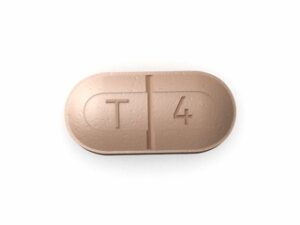
| Available Forms and Strengths | Tablets – 20 micrograms (µg), sometimes compounded capsules (specialist) |
| Manufacturers | Alphapharm, Aspen Pharma, Sandoz, select compounding pharmacies |
| Prescription Status | Prescription Only Medicine (Schedule 4, S4) |
Mechanism of Action
- For Patients: Liothyronine is a man-made form of the hormone triiodothyronine (T3), which your thyroid gland normally produces. It helps control how your body uses energy, keeps your metabolism steady, and is important for your heart, brain, and muscles.
- For Specialists: Liothyronine sodium is a synthetic form of L-triiodothyronine (T3). It acts at nuclear thyroid hormone receptors in target tissues, modulating gene transcription, increasing basal metabolic rate, and influencing protein synthesis, carbohydrate and lipid metabolism, as well as CNS and cardiovascular effects.
Pharmacokinetics
- Absorption: Rapidly absorbed from the gastrointestinal tract, with peak serum concentrations usually within 2–4 hours after oral administration.
- Bioavailability: Approximately 95%.
- Distribution: Extensively bound to plasma proteins but less than thyroxine (T4).
- Metabolism: Mainly hepatic with further metabolism in peripheral tissues; half-life is about 1–2 days.
- Elimination: Metabolites are mainly excreted in the urine.
- Duration of Action: Shorter than levothyroxine (T4); effects typically last 1–2 days, requiring regular dosing for stable hormone levels.
Everyday Use and Best Practices in Australia
- Who uses Liothyronine? Mostly prescribed by endocrinologists for certain types of hypothyroidism, especially when levothyroxine (T4) alone is not sufficient, for some thyroid cancers, or diagnostic use.
- Typical doses: Because liothyronine is potent and fast-acting, doses are usually lower and carefully individualised. Typical adult starting doses are 10–20 µg daily, adjusted gradually. Rarely, doses may go higher, but only under close specialist supervision.
- How to take: Swallow tablets with water, at about the same time each day, as advised by your doctor or pharmacist.
- Brand substitution: It is best to stay on the same brand or formulation, as T3 absorption and potency can vary slightly between manufacturers.
- Prescription policy: You need a valid prescription from your Australian doctor. Repeat scripts may require special authorisation or an endocrinology review.
Dosing: Morning vs Evening
- Morning (preferred): Most specialists advise taking liothyronine in the morning, 30 minutes before food, to mimic your body’s natural hormone rhythm and for best absorption. This also helps avoid sleep disturbances, as taking T3 late in the day can sometimes cause insomnia or restlessness.
- Evening: Rarely recommended. If your doctor does suggest a split dose (morning/afternoon), aim for the last dose at least 6–8 hours before bedtime.
- Tip for regularity: Pick a routine and stick to it—set a daily alarm and put your medicine somewhere you'll notice it at breakfast time.
Taking With Food or On an Empty Stomach
- Liothyronine should be taken on an empty stomach, at least 30 minutes before breakfast or other medications. Food, especially those high in calcium or iron (e.g., milk, cheese, breakfast cereals), can reduce how much medicine gets absorbed.
- Typical Australian breakfast foods like wholegrain cereal with milk, toast with tea/coffee, or supplements can all interfere – try to wait at least 30–60 minutes after taking the tablet before eating or drinking.
Interaction Warnings
| Type | Specific Examples | Possible Effect | Advice |
|---|---|---|---|
| Food | Milk, coffee, fibre-rich breakfasts, iron/calcium-fortified cereals | Reduced absorption of liothyronine | Take on an empty stomach; wait 30–60 minutes before eating |
| Alcohol | Any alcoholic beverages | No direct effect, but excess can worsen thyroid side effects (palpitations) | Drink alcohol only in moderation |
| Other Medications | Antacids, iron/calcium supplements, cholestyramine, warfarin, antidepressants, anti-epileptics (carbamazepine, phenytoin), some diabetes medicines | May reduce or increase liothyronine action | Discuss all medicines with your pharmacist or GP; time doses apart as advised |
Indications – When is Liothyronine Used?
| Official (TGA-approved) |
|
|---|---|
| Off-label/Common Specialist-Indications |
|
Dosing According to Clinical Indications
| Indication | Adults | Children | Elderly |
|---|---|---|---|
| Hypothyroidism (replacement) | Start 10–20 µg/day; increase gradually to typical maintenance 20–60 µg/day, in 1–2 divided doses | Initially 5 µg/day; increase by 5 µg every 3–4 days as needed | Start at 5–10 µg/day; slower titration due to heart risk, monitor for toxicity |
| TSH suppression (e.g., cancer) | 20–60 µg/day, under specialist direction | Specialist dosing | Same as adults, lower starting dose |
| Thyroid function tests | 20–40 µg/day for short periods | Expert lab use | Caution: lower/shorter dosing |
Safety Profile & Side Effects
Most people tolerate liothyronine well, but if you take too much or are sensitive, you may experience side effects similar to an overactive thyroid. Let your doctor or pharmacist know about unusual symptoms.
| Common Side Effects |
|
|---|---|
| Rare/Serious Side Effects |
|
| Warnings |
|
Guidelines for Proper Use – Practical Tips for Australians
- Take your tablet at the same time every day, ideally on waking, and before breakfast.
- If you forget a dose, take it when you remember that day (if it's almost time for your next dose, skip the missed one—don't double up).
- Store in a cool, dry place away from direct sunlight (not in your bathroom or car).
- Tell your pharmacist and doctor about all other medicines, supplements, and conditions before starting or adjusting your dose.
- See your doctor regularly for thyroid blood tests (TSH, FT4, FT3) to ensure proper dosing and safety.
- If you experience symptoms like chest pain, severe headache, palpitations, or sudden weight loss, contact a medical professional promptly.
Alternative Treatment Options
- Levothyroxine (T4): First-line treatment for most cases of hypothyroidism. Long-acting, stable, and covered by PBS (Pharmaceutical Benefits Scheme). Advantage: fewer daily fluctuations. Disadvantage: Some people have persistent symptoms on T4 alone.
- Combination therapy (T4 + T3): Considered only under specialist advice if T4 alone is inadequate. Not reimbursed separately; dosing is complex.
- Desiccated thyroid extract: Not recommended by guidelines. Natural, but dosing is variable, potential for contamination, and lacks PBS subsidy.
- Liothyronine: Usually reserved for special cases, short-term needs, or as part of specialist-managed combination treatment.
Legal, Registration, and Reimbursement Status in Australia
- Liothyronine is regulated by the Therapeutic Goods Administration (TGA) and classified as a Schedule 4 (S4) Prescription Only Medicine. This means a doctor’s script is required.
- It is often supplied as a Section 19A product (special access for unregistered medicines) or as a compounded formulation, depending on supply chain status.
- Reimbursed under PBS for specific, approved indications, but generally requires specialist prescribing and documented rationale. Not usually subsidised for routine hypothyroidism where T4 alone is sufficient.
- Periodic review by the Pharmaceutical Benefits Advisory Committee (PBAC) and eligibility criteria may apply. Check with your specialist or pharmacist for current status.
Latest Research and Clinical Guidance (2022–2025)
- The Australian Thyroid Association and Endocrine Society of Australia recommend levothyroxine as first-line for most people, but note that a minority may benefit from combination T4/T3 therapy, including liothyronine, after careful exclusion of other causes for persistent symptoms (Thyroid Research, 2023; Endocrine Reviews, 2022).
- International trials (META-Analysis, BMJ 2022) show no consistent benefit for T3 or combination therapy against well-dosed T4 but note selected patient groups may benefit—especially those with relevant genetic variants (DIO2 polymorphisms).
- New formulations (prolonged-release T3) are being studied overseas, but are not yet widely available in Australia (Pharmacological Reports, 2024).
- Safety concerns have shifted towards 'over-supplementation' side effects, especially in older adults or those with cardiac disease. Ongoing monitoring is key.
Availability and Delivery in Australia
| Pack Sizes | 30, 100 tablets (20 µg) |
|---|---|
| Indicative Price (non-PBS) | $25–$60 per pack of 100 (may vary by pharmacy and brand) |
| Usual Delivery Times |
|
Frequently Asked Questions (FAQ)
- Q: Can I take my liothyronine tablet with my morning coffee?
A: It is best to take liothyronine with water, on an empty stomach. Wait at least 30–60 minutes before having coffee, tea, or breakfast for the best absorption. - Q: Is it safe to use liothyronine in pregnancy?
A: Pregnant women on liothyronine should be closely monitored by a specialist. Levothyroxine is preferred, but liothyronine may be used in special cases under strict medical supervision. - Q: What should I do if I forget my dose?
A: Take it as soon as you remember during the same day. If it is almost time for your next dose, skip the missed one. Do not double up. Inform your doctor if you miss several doses. - Q: What regular tests do I need while on liothyronine?
A: Your doctor will arrange regular blood tests (TSH, FT4, sometimes FT3) and clinical reviews. This keeps your dose safe and effective. - Q: Can I swap brands or use compounded liothyronine?
A: Brand switching or using compounded forms should only be done under doctor or pharmacist advice, as absorption and effects can vary.