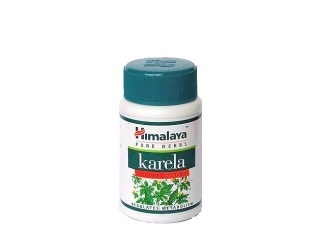
Karela: Comprehensive Patient Information for Australia
Basic Product Information
| International Non-proprietary Name (INN) | Karela (Bitter Melon, Momordica charantia) |
|---|---|
| Common Australia Brand Names | Himalaya Karela, Nature’s Way Bitter Melon |
| ATC Code | Not officially classified (herbal product/food supplement) |
| Available Forms & Strengths | Capsules (250–500mg), Tablets (500mg), Liquid Extracts, Dried herb |
| Manufacturers | Himalaya Wellness, Nature’s Way, Caruso’s Natural Health, Bioglan |
| Prescription Status | Over-the-counter (OTC) herbal supplement; not a registered prescription medicine in Australia |
How Karela Works (Mechanism of Action)
For patients: Karela, also known as bitter melon, is a traditional herbal remedy used mainly to help manage blood sugar levels. It contains a variety of natural plant chemicals (charantin, vicine, polypeptide-p) that may support glucose regulation by helping your body use sugar more efficiently.
For specialists: Karela exhibits antihyperglycemic effects, primarily attributed to charantin, polypeptide-p (an insulin-like peptide), and cucurbitane-type triterpenoids, which enhance peripheral glucose uptake, suppress gluconeogenesis, and promote insulin secretion. Other mechanisms include modulation of key enzymes in carbohydrate metabolism and reduction of intestinal glucose absorption.
Pharmacokinetics
- Absorption: Variable absorption when taken orally; bioavailability may be increased with food.
- Metabolism: Components are metabolised in the liver; data on key metabolites is limited due to the herbal nature.
- Elimination: Primarily renal (in urine) and fecal excretion for plant constituents.
- Duration of action: Short-term effects on blood glucose seen within 2–8 hours of administration; long-term effects require regular dosing.
Use in Everyday Life and Best Practices
Karela supplements are often used as a complementary approach to support healthy blood glucose levels, particularly in adults with risk factors for metabolic syndrome or type 2 diabetes. In Australia, Karela is commonly available as a capsule/tablet or as a tea. It is not a substitute for prescribed medications, but can be part of a broader health management plan together with a balanced English diet and regular exercise.
- Dosage: Standardised doses typically range from 500mg to 2,000mg per day, divided into 1–2 doses.
- How to use: Swallow capsules/tablets with a glass of water. Bitter melon tea can be brewed using dried herbs.
- Best practice: Always follow instructions on the label or advice from your pharmacist. Discuss use with your GP if you have chronic health conditions or take other medications.
Dosing in the Morning vs. Evening
- Morning use: May help control post-breakfast blood glucose spikes; recommended for those monitoring morning fasting levels.
- Evening use: Some prefer evening dosing to support overnight glycaemic control, but may cause mild stomach upset if taken too late.
- Regularity tips: Take at the same time(s) each day for best effect. Using a pill organizer or setting reminders can help maintain consistency.
Taking with Food or on an Empty Stomach
Absorption may be improved if taken shortly before meals. For most Australians, taking Karela just before (or with) a meal helps minimise potential stomach upset and is convenient if breakfast or lunch is your main meal. In sensitive individuals, taking with food can reduce gastrointestinal discomfort.
- Avoid high-fat, greasy meals to optimise effects.
- Suitable with a typical English diet: meats, vegetables, cereals, or bread.
- If using the dried herb or tea, bitterness is natural; consider adding lemon or a small amount of honey within dietary guidelines.
Interaction Warnings
| Type | Interaction Details | Advice |
|---|---|---|
| Medications | May potentiate effect of antidiabetic drugs (metformin, insulin, sulfonylureas) | Monitor blood sugar closely; adjust dosage with your doctor if needed |
| Food | High-sugar foods may counteract the effect; bitter taste profile may affect appetite | Maintain a balanced diet; limit sugary snacks |
| Alcohol | May enhance hypoglycaemic effect | Avoid excessive alcohol consumption |
| Other Supplements | May interact with garlic, ginseng, gymnema, fenugreek—all with blood sugar-lowering effects | Consult pharmacist/doctor before combining |
Indications
| Indication | Official Status | Notes |
|---|---|---|
| Support of healthy blood glucose regulation | Complementary/alternative (herbal), not registered by TGA as a medicine | No formal pharmaceutical indication in Australia; permitted as a listed herbal supplement |
| General wellness, metabolism support | Complementary/alternative | Traditional use only |
| Weight management (off-label) | Complementary/alternative | Insufficient evidence for formal recommendation |
Dosing According to Clinical Indications
| Population | Typical Dose (per day) | Notes |
|---|---|---|
| Adults (18-65) | 500mg – 2,000mg split into 1–2 doses | Start with lowest dose; adjust as needed. Consult a pharmacist or GP. |
| Elderly (>65) | 500mg – 1,000mg | Start with caution, monitor for hypoglycaemia. |
| Paediatric (<18) | Not recommended | Safety not established for children; use only if advised by a specialist. |
Safety Profile / Side Effects
| Frequency | Side Effect | Advice |
|---|---|---|
| Common (>1%) | Mild stomach upset, diarrhoea, abdominal pain, bitter taste | Reduce dose, take with food, or switch to another form if problematic |
| Uncommon (<1%) | Headache, dizziness, hypoglycaemia | Monitor blood sugar, rest, seek advice if persistent |
| Rare (<0.1%) | Allergic reaction, liver enzyme changes, palpitations | Discontinue immediately, seek urgent medical care |
- Not recommended in pregnancy, breastfeeding, or in children without specialist advice.
- Avoid if you have a known allergy to gourds or cucurbits.
Guidelines for Proper Use (Australia)
- Use only high-quality preparations purchased from registered pharmacies or reputable retailers.
- Store at room temperature, away from direct sunlight, heat, and moisture.
- Do not exceed recommended dose.
- If purchasing online, ensure product is "AUST L" labelled (Listed Medicines Database, TGA).
- Monitor blood sugar if you have diabetes and report significant changes to your GP.
- Report any side effects to your pharmacist or the TGA at www.tga.gov.au/reporting-problems.
Alternative Treatment Options
- Pharmaceuticals (PBS-reimbursed): Metformin, sulfonylureas, DPP-4 inhibitors, GLP-1 agonists, SGLT-2 inhibitors, insulin (for type 2 diabetes, with prescription).
- Other herbal options: Cinnamon, fenugreek, gymnema, berberine (also available in Australia as listed medicines; variable evidence and safety).
- Comparative overview:
- Metformin: Well-established, effective, covered by PBS; potential for GI side effects.
- Karela: Gentler, suitable for mild cases or additional support; not a substitute for Rx therapies.
- Other herbs: Similar/less evidence than Karela for blood glucose, may interact with other medicines.
Legal, Registration, and Reimbursement Status in Australia
- Therapeutic Goods Administration (TGA) registration: Karela is listed as a complementary medicine (AUST L), not as a registered prescription or OTC drug.
- Prescription requirement: None; available as OTC herbal supplement.
- Pharmaceutical Benefits Scheme (PBS): Karela is not PBS-reimbursed; all purchases are private and not subsidised by the government.
- Australian dietary supplement regulations: Must meet TGA and Food Standards Australia New Zealand (FSANZ) guidelines for safety and labelling.
Latest Research and Clinical Guidance (2022–2025)
- Recent meta-analyses from leading English-language journals (e.g., Diabetologia, 2023): evidence supports a modest, adjunct role for Karela in improving fasting blood glucose and HbA1c, but effect sizes are variable and insufficient to replace standard therapies (read study).
- Australian Diabetes Society (ADS) 2024 guidelines: does not recommend Karela as first-line therapy, but acknowledges increasing use as a complementary supplement in culturally diverse populations (see ADS statement).
- WHO Traditional Medicine Report 2022: recognises Karela’s traditional use for glycaemic management, with emphasis on the need for more robust clinical trials.
- Practicing GPs and pharmacists in Australia advise caution in patients with advanced diabetes, pregnancy, or polypharmacy.
Availability and Delivery in Australia
| Pack Size | Indicative Price (AUD) | Availability | Delivery Time (Major Cities) |
|---|---|---|---|
| 60 capsules (500mg) | $18–$30 | OTC in pharmacies, health stores, online | Sydney: 1–2 days Melbourne: 1–2 days Brisbane: 2 days Perth: 2–4 days Hobart/Darwin: 3–4 days |
| 120 capsules (500mg) | $33–$48 | OTC in pharmacies, health stores, online | Sydney: 1–2 days Melbourne: 1–2 days Brisbane: 2 days Perth: 2–4 days Hobart/Darwin: 3–4 days |
| Daily tea, 20 bags | $8–$15 | OTC, specialty online retailers | Add 1 day to times above |
Frequently Asked Questions (FAQ)
- Is Karela safe to take with my diabetes medication?
Karela may enhance the effects of diabetes medicines, sometimes leading to low blood sugars. Always consult with your GP or pharmacist before combining them, monitor your blood sugar closely, and report any symptoms of hypoglycaemia. - Can I use Karela if I am pregnant or breastfeeding?
Karela is not recommended during pregnancy or breastfeeding due to insufficient evidence on its safety. Discuss any supplement use with your GP or obstetrician. - How soon will I feel the effects of Karela?
Some people notice changes in blood sugar within a few hours, but meaningful improvements usually require regular use over several weeks. It is not a substitute for prescription medication. - Can I buy Karela from my local pharmacy?
Yes. Karela is available over the counter at most Australian pharmacies, health food shops, and online. Always select products with appropriate labeling (AUST L) for quality assurance. - Do I need a prescription to buy Karela in Australia?
No. Karela is an herbal supplement and can be purchased without a prescription.
Disclaimer: This information is for educational purposes only and does not replace advice from your healthcare provider. Always check with your GP or pharmacist before starting any new supplement, especially if you have underlying health conditions or take other medicines.