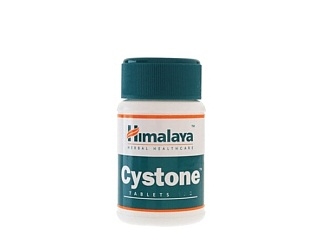
Cystone: Comprehensive Patient Information for Australia
Basic Product Information
| International Nonproprietary Name (INN) | Cystone (a herbal formula containing extracts such as Didymocarpus, Saxifraga, and others) |
|---|---|
| Brand Names in Australia | Cystone (by Himalaya Wellness and related licensed manufacturers) |
| ATC Code | Not officially assigned (considered a complementary medicine in Australia) |
| Available Forms and Strengths | Tablets: Standard strength (each contains proprietary blend as per label) |
| Manufacturers | Himalaya Wellness (India), local importers/distributors in Australia |
| Prescription Status | Unscheduled, Over-the-counter (OTC) as a listed complementary medicine |
Mechanism of Action
For Patients: Cystone is a herbal formula used traditionally to support urinary tract health. Its active plant extracts may help in reducing the formation of kidney stones, supporting healthy urine flow, and soothing minor urinary tract discomfort. Cystone is not an antibiotic but works through natural plant-based processes.
For Healthcare Specialists: The bioactive phytochemicals present in Cystone (notably from Didymocarpus pedicellata, Saxifraga ligulata, Rubia cordifolia, and Onosma bracteatum) are believed to inhibit lithogenesis by reducing supersaturation of lithogenic substances and modulating crystallisation, aggregation, and growth of stones. Some components may exert mild diuretic and anti-inflammatory effects within urinary tissues.
Pharmacokinetics
- Absorption: As a polyherbal formulation, comprehensive pharmacokinetic studies are limited. Individual components are variably absorbed through the gastrointestinal tract following oral administration.
- Metabolism: Plant-based constituents are metabolised primarily in the liver via hydroxylation, conjugation, and other pathways.
- Elimination: Metabolites and unchanged herb constituents are excreted through urine and, to a lesser extent, faeces.
- Duration of Action: Effects are usually gradual and may be observed after several days to weeks of consistent use.
Use in Everyday Life and Best Practices
Typical Adult Dose: 2 tablets twice daily, swallowed whole with a full glass of water. Lower or adjusted doses may be recommended by a healthcare provider.
Instructions for Use: Maintain good hydration (at least 1.5–2 litres of water/day) unless otherwise advised by your doctor. Cystone should be taken regularly at the same times each day. Tablets may be taken with or without food.
In the Australian Context: Patients with a history of kidney stones or recurrent urinary tract discomfort may use Cystone alongside conventional care, but it should not replace prescribed medicines for infection or acute pain. Cystone is suitable for vegans and vegetarians.
- Avoid sudden dietary changes without medical advice.
- If prescribed other medicines for infection or pain, continue these as directed.
- Monitor for changes in urinary symptoms and seek prompt medical review for severe pain, blood in urine, or fever.
Dosing in the Morning vs Evening
Cystone may be taken in the morning, evening, or both, aligning with the usual twice-a-day dosing. There is no strict "best" time, but here are some considerations:
- Morning dose: May help maintain hydration through the active part of the day; less likely to disturb sleep with increased urination.
- Evening dose: Not contraindicated, but some people may prefer to take it several hours before sleep to avoid nocturnal urination.
- Tip: Pick times you can remember easily, such as with breakfast and early evening meals.
Taking with Food or on an Empty Stomach
Cystone can be taken with or without food. Taking it with meals may reduce the risk of mild stomach upset, which can occasionally occur due to herbal components. For people following typical Australian dietary habits, choose the approach that fits best with your daily schedule.
- With Food: May aid tolerance; helpful for sensitive stomachs.
- Without Food: Suitable if preferred; no significant difference in efficacy observed.
- Australian Diet Context: Suitable with breakfast cereals, sandwiches, or main meals.
Interaction Warnings
Cystone has a favourable safety profile, but as a polyherbal product it may theoretically interact with other substances:
| Interacting Agent | Nature of Interaction | Clinical Advice |
|---|---|---|
| Alcohol | No specific interaction but high alcohol intake may worsen urinary irritation. | Limit alcohol, especially if you have urinary symptoms. |
| Diuretics | Potential additive diuretic effects. | Monitor fluid balance, discuss with GP if on long-term diuretics. |
| Antibiotics | No direct interaction, safe to use unless otherwise advised. | Continue antibiotics as prescribed. |
| Anticoagulants/Warfarin | Theoretical interaction; no evidence of significant clinical effect. | Mild caution; notify GP of any herbal use. |
| Other Herbal Remedies | Unknown or unpredictable; risk of overlapping effects. | Use one herbal remedy at a time or after medical advice. |
Indications
| Indicaton | Status | Notes |
|---|---|---|
| Prevention and adjunctive management of kidney stones (urolithiasis) | Supported by complementary medicine/traditional use data | For chronic management; not for acute pain |
| Supportive care in urinary tract discomfort | Traditional/phytotherapeutic use | Not a substitute for antibiotic therapy |
| Crystalluria | Traditional use | Under direction of a physician |
| Post-lithotripsy care | Adjunctive/traditional use | In consultation with a urologist |
Dosing According to Clinical Indications
| Clinical Situation | Recommended Dose |
|---|---|
| Adults | 2 tablets twice daily |
| Paediatrics (over 6 years) | 1 tablet twice daily (consult doctor before use) |
| Elderly | 2 tablets once or twice daily as tolerated |
| After stone removal (maintenance) | 1-2 tablets twice daily for 4–8 weeks (after specialist advice) |
Safety Profile/Side Effects
| Frequency | Side Effect | Advice |
|---|---|---|
| Common (<5%) | Gastrointestinal upset (nausea, mild diarrhoea, stomach discomfort) | Usually mild, take with food if persistent |
| Rare (<1%) | Allergic rash, itching | Discontinue and seek medical attention |
| Very rare | Increased urinary frequency, change in urine colour | Usually harmless, monitor symptoms |
| Not reported | Toxic effects (when taken at normal dosage) | No direct reports in clinical literature |
- Not recommended in pregnancy and breastfeeding due to lack of safety data.
- Avoid in severe kidney or liver disease unless advised by a specialist.
Guidelines for Proper Use (Practical Pharmacist Advice)
- Ensure Cystone is sourced from a trusted supplier registered with the Australian Register of Therapeutic Goods (ARTG).
- Do not use as a substitute for prescribed antibiotics or urinary painkillers for acute symptoms.
- Maintain adequate fluid intake, unless advised otherwise due to heart or kidney problems.
- Monitor your urinary symptoms. If you notice severe pain, fever, or blood in urine, seek immediate medical advice.
- Bring all current medicines and supplements when consulting your doctor or pharmacist.
- Store Cystone in a cool, dry place below 25°C, out of reach of children.
- If a dose is missed, take it as soon as remembered unless it’s nearly time for the next dose. Do not double up.
Alternative Treatment Options (Australia)
- Conventional Medications:
- Pain relief: Paracetamol, ibuprofen (OTC)
- Urinary alkalinisers: Citravescent, Ural (available OTC)
- Prescription medicines for kidney stones: Allopurinol, potassium citrate, thiazide diuretics (as per urologist direction)
- Antibiotics: For bacterial infections (only on prescription)
- Other Complementary Products: Cranberry extract, dandelion tea, bearberry capsules; use with caution and ideally after consulting a doctor.
- Pros of Cystone: Plant-based, few side effects, suitable for long-term supportive use.
- Cons: Lack of robust Western clinical trial data; should not delay urgent treatment for acute symptoms.
Legal, Registration and Reimbursement Status in Australia
- Listed on the Australian Register of Therapeutic Goods (ARTG) as a complementary medicine (not as a registered medicine for diagnosis or cure of disease).
- Not covered by the Pharmaceutical Benefits Scheme (PBS); not reimbursed by Medicare.
- OTC availability; does not require a prescription in Australia.
- Subject to Australian consumer product safety, import controls, and advertising guidelines (TGA/ARTG compliance).
Latest Research and Clinical Guidance (2022–2025)
- Recent reviews of traditional use suggest Cystone may reduce recurrence of small kidney stones and support urinary tract comfort (Arch Ital Urol Androl, 2023).
- 2024 consensus guidelines by the Australian Society of Urology acknowledge Cystone as a support option only in motivated patients seeking non-prescription adjuncts, noting the lack of double-blind RCTs matching Western standards.
- Systematic reviews (Cochrane, 2022) highlight the absence of large, high-quality studies but find no evidence of harm in healthy adults.
- Cystone should not replace standard-of-care treatments in acute stone attacks or urinary tract infections.
Availability and Delivery in Australia
| Pack Size | Typical Price Range (AUD) | Availability |
|---|---|---|
| 100 tablets | $22–35 | Most major pharmacies, health stores, online retailers |
| 60 tablets | $15–25 | Local pharmacies, select supermarkets |
| City | Estimated Pharmacy Delivery Time |
|---|---|
| Sydney | Same day to 2 days |
| Melbourne | Same day to 2 days |
| Brisbane | 1–3 days |
| Perth | 2–5 days |
| Adelaide | 1–3 days |
| Hobart | 2–4 days |
Availability may change. For urgent needs, check with your local pharmacy or major online store.
Frequently Asked Questions (FAQ)
1. Can Cystone dissolve kidney stones that I already have?
No. Cystone has not been proven to dissolve kidney stones once they are formed. It may help reduce the risk of recurrence and discomfort but does not replace urologist-guided treatment for existing stones.
2. Is Cystone safe for long-term use?
Yes, for most people. Clinical reviews show it is generally well tolerated when used as directed. Always check with your doctor if you have chronic medical conditions, are pregnant, breastfeeding, or planning surgery.
3. Can I take Cystone with antibiotics or other prescription medicines?
Usually yes, but always inform your doctor and pharmacist about all supplements and herbal preparations you are taking to avoid potential interactions.
4. Is Cystone reimbursed by Medicare or the PBS?
No. As of 2024, Cystone is not covered by the Australian Pharmaceutical Benefits Scheme or Medicare. All costs are paid privately by the consumer.
5. Where can I find more guidance on kidney or urinary tract health?
Contact your GP, pharmacist, or a registered dietitian. Additional reliable patient resources are available on health.gov.au and Kidney Health Australia.