Cyproheptadine: Comprehensive Patient Information for Australian Users
Basic Product Information
- International Nonproprietary Name (INN): Cyproheptadine hydrochloride
- Australia Brand Names: Periactin®, Cyproheptadine Sandoz®, GenRx Cyproheptadine
- Anatomical Therapeutic Chemical (ATC) Code: R06AX02
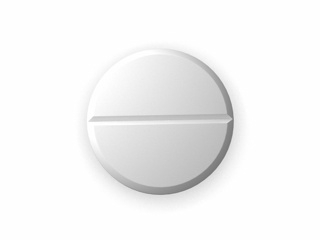
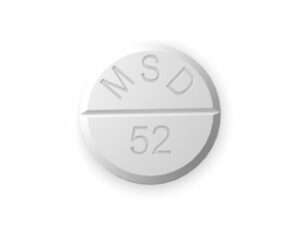
- Available Forms & Strengths: Tablets (4 mg), oral solution (2 mg/5 mL; brands vary in availability regionally)
- Manufacturers (examples): Mylan Health Pty Ltd, Sandoz Pty Ltd, Arrow Pharmaceuticals
- Prescription Status in Australia: Schedule 4 (S4) – Prescription Only Medicine
Mechanism of Action
- For Patients: Cyproheptadine is an antihistamine medicine. It works by blocking the action of histamine, a substance in the body that causes allergy symptoms like sneezing, itching, watery eyes, and runny nose. It also has some ability to block serotonin, a natural chemical involved in appetite and other functions.
- For Specialists: Cyproheptadine is a first-generation H1 receptor antagonist with additional anticholinergic and antiserotonergic effects. Its activity at 5-HT2 receptors is responsible for appetite stimulation. It also displays mild sedative and anti-serotonergic properties.
Pharmacokinetics
- Absorption: Cyproheptadine is rapidly and well absorbed from the gastrointestinal tract.
- Metabolism: Extensively metabolised in the liver by first-pass metabolism.
- Elimination: Elimination is predominantly via urine, with minor amounts in faeces (mainly as metabolites).
- Onset of Action: Within 1–3 hours after oral administration.
- Duration of Action: Typically 6–8 hours; may last up to 12 hours in some patients.
Use in Everyday Life and Best Practices
Cyproheptadine is primarily used to treat allergic symptoms such as hayfever (allergic rhinitis), allergic skin conditions (e.g. urticaria/hives), and, off-label, to stimulate appetite in specific cases under medical supervision. In Australia, it may also be used in the management of serotonin syndrome and for some rare types of headaches. It is important to only use cyproheptadine as directed by your GP or specialist, especially for appetite stimulation in children or vulnerable adults.
Dosing in the Morning vs Evening
- Morning Dosing: May cause daytime drowsiness and affect concentration or school/work performance, especially in adults and children.
- Evening Dosing: Often preferred due to sedating effects; helps to avoid daytime sleepiness and can assist those with nocturnal itching or allergy symptoms.
- Regularity Tip: Take at the same time each day. If prescribed twice daily, follow your doctor’s advice about optimal timing for your symptoms and lifestyle.
Taking with Food or on an Empty Stomach
- Cyproheptadine can be taken with or without food.
- Taking with food may help reduce stomach upset, though this is rare.
- Tolerated well regardless of typical Australian dietary habits, including meat, dairy, grains, and fresh foods.
Interaction Warnings
Cyproheptadine may interact with various foods, medications, and substances. Please review the table below and speak to your pharmacist about your specific situation before starting treatment.
| Substance/Drug | Interaction Type | Advice |
|---|---|---|
| Alcohol | Increased sedation | Avoid alcohol consumption |
| Benzodiazepines, sedatives | Enhanced drowsiness | Discuss with your doctor |
| MAO inhibitors | Serious (potentially dangerous) | Do not use together; can cause severe side effects |
| Other antihistamines | Duplicate effects, overdose risk | Avoid concurrent use except by medical advice |
| Tricyclic antidepressants | Increased anticholinergic side effects | Consult healthcare provider |
| Foods (grapefruit/juice) | Possible altered metabolism | Best to limit grapefruit intake |
Indications
| Indication | Status | Comments |
|---|---|---|
| Allergic Rhinitis (Hayfever) | Approved (PBS-listed) | For moderate-severe symptoms |
| Allergic Dermatoses (Urticaria) | Approved | Short-term use for hives, itching |
| Appetite Stimulation (Anorexia, cachexia) | Off-label | Under specialist/paediatric supervision |
| Serotonin Syndrome | Off-label | Hospital use; not for self-administration |
| Migraine/Cluster Headaches (paediatric) | Off-label | As adjunctive therapy |
Dosing According to Clinical Indications
| Indication | Adults | Children (2–6 years) | Children (7–14 years) | Elderly |
|---|---|---|---|---|
| Allergic Conditions | 4 mg 3–4 times/day (max 32 mg/day) | 2 mg 2–3 times/day (max 12 mg/day) | 4 mg 2–3 times/day (max 16 mg/day) | Caution: Start at low dose; monitor for sedation and confusion |
| Appetite Stimulation (off-label) | 4 mg 2–3 times/day (range: 2–8 mg tid) | Only under specialist | As above under strict medical advice | Not generally recommended unless advised |
| Serotonin Syndrome | 12 mg daily, in divided doses | Specialist/hospital use only | Specialist/hospital use | Specialist oversight |
Note: Always follow your doctor’s specific instructions. Dosage adjustments may be needed for liver or kidney problems.
Safety Profile and Side Effects
| Frequency | Side Effect | Advice |
|---|---|---|
| Very Common | Drowsiness, dry mouth | Avoid driving/machinery; maintain good oral hygiene |
| Common | Increased appetite, weight gain, constipation, blurred vision | Monitor weight/appetite; increase water; report persistent problems |
| Uncommon | Confusion (elderly), dizziness, headache, nausea | Report new or unusual symptoms |
| Rare | Allergic reaction, agitation (children), difficulty urinating, seizures | Seek urgent medical help if severe or rapid onset |
- Warning: Cyproheptadine may impair alertness and performance. Avoid driving, cycling, swimming, or using heavy machinery until you know how it affects you.
- Inform your doctor of all other medicines you are using, especially antidepressants, sleeping tablets, or other allergy medicines.
- Not recommended in pregnancy unless clearly needed; avoid breastfeeding unless advised by doctor.
Guidelines for Proper Use (Pharmacist/Clinic Advice)
- Take exactly as prescribed. Do not exceed the recommended dose.
- Do not use to make children eat more food unless a specialist has advised it; monitor for excessive sleepiness or behavioural changes.
- If you miss a dose, take it as soon as you remember. If it is close to the next dose, skip the missed dose—do not double up.
- Store at room temperature and away from moisture, heat, and direct sunlight. Keep out of reach of children.
- Return unused or expired medicines to your pharmacy for safe disposal.
- For allergy symptom control, combine treatment with practical steps like dust mite reduction, pollen avoidance, and regular cleaning, as per Australian National Asthma Council guidance.
- Consult with your healthcare provider before stopping the medication abruptly, especially in long-term or paediatric use.
Alternative Treatment Options
- Loratadine (Claratyne®): Non-sedating antihistamine, PBS subsidised, less drowsy, good for daytime use; not shown to increase appetite.
- Cetirizine (Zyrtec®): Another non-sedating option, PBS subsidised for certain patients, similar profile to loratadine; may cause mild drowsiness in some.
- Fexofenadine (Telfast®): Least sedating, PBS subsidised, safe for adults and children, rarely increases appetite or causes sedation.
- Topical corticosteroids: For allergic skin conditions where oral antihistamines are insufficient; local action, minimal systemic side effects.
- Specialist drugs (e.g. appetite stimulants like megestrol acetate): Reserved for cancer or severe cachexia; PBS subsidised in specialist situations only.
Key differences: Non-sedating antihistamines are preferred for routine daily allergy symptoms and less likely to cause drowsiness or weight gain.
Legal, Registration, and Reimbursement Status in Australia
- Registered on the Australian Register of Therapeutic Goods (ARTG)
- Prescription Only (Schedule 4, S4); not available over-the-counter
- Pharmaceutical Benefits Scheme (PBS) subsidises cyproheptadine for allergic indications in eligible cases
- For off-label uses (e.g. appetite stimulation), PBS subsidy may not apply unless prescribed under specific specialist authority
- Not a controlled substance, but must be supplied by a registered Australian pharmacy with a valid prescription
Latest Research and Clinical Guidance (2022–2025)
- Modern guidelines from the Australian Society of Clinical Immunology and Allergy (ASCIA, 2022–2023) recommend non-sedating antihistamines over first-generation antihistamines like cyproheptadine for routine allergy management due to lower side effect burden.
- Cyproheptadine remains recommended for appetite stimulation in rare paediatric and oncology settings, but only under experienced specialist supervision (Royal Australasian College of Physicians, 2023).
- Australian Therapeutic Goods Administration (TGA) reviews (2023–2024) highlight the need for careful monitoring due to anticholinergic and sedative side effects, particularly in the elderly and children.
- Recent international studies (J Allergy Clin Immunol Pract, 2023) support cyproheptadine’s efficacy for serotonin syndrome and select headache syndromes where non-sedating antihistamines are less effective.
Availability and Delivery
- Popular Pack Sizes: 20 and 50 tablet packs most commonly dispensed
- Indicative Price (PBS): Patient co-payment approx. $7.30 (concessional) to $30 (general) per pack, as of 2024
| City | Delivery Estimate (Business Days) | Notes |
|---|---|---|
| Sydney | Same day (in-store); 1–2 days (delivery) | Suburbs may vary |
| Melbourne | Same day (in-store); 1–2 days (delivery) | CBD fastest for pickup |
| Brisbane | 1–3 days | Some remote locations may longer |
| Adelaide | 1–2 days | Check with pharmacy for urgent supply |
| Perth | 2–4 days | WA country areas may be longer |
Frequently Asked Questions (FAQ)
1. Can I use cyproheptadine for my child’s poor appetite?
Cyproheptadine is only recommended for appetite stimulation in children under the direction of a specialist paediatrician due to potential side effects like drowsiness and behavioural changes. Do not give this medicine to children for appetite issues without professional advice.
2. Is cyproheptadine safe in pregnancy or breastfeeding?
Cyproheptadine is not generally recommended during pregnancy unless your doctor decides the benefits outweigh potential risks. It should be avoided in breastfeeding unless clearly needed and closely monitored—ask your doctor or pharmacist for personalised guidance.
3. Can I drive or work while taking this medication?
Cyproheptadine often causes drowsiness, especially when starting. Do not drive, operate machinery, or undertake hazardous tasks until you are familiar with how it affects you. If you feel sleepy, avoid driving and alert your employer if safety is impacted.
4. What should I do if I take too much cyproheptadine?
Contact your doctor or the Poisons Information Centre (Ph: 13 11 26) immediately if you think you have taken too much. Symptoms of overdose include severe drowsiness, agitation, confusion, dry mouth, fast heartbeat, and, in rare cases, seizures. Medical attention may be urgently needed.
5. Are there any foods or drinks I should avoid?
Limit grapefruit and grapefruit juice, which may change how the medicine is processed in the body. Avoid alcohol, as it increases the risk of drowsiness and accidents.
References
- Australian Society of Clinical Immunology and Allergy (ASCIA) Guidelines
- Australian Medicines Handbook 2024
- Therapeutic Goods Administration (TGA) Consumer Medicines Information
- Royal Australasian College of Physicians, Position Papers 2023
- J Allergy Clin Immunol Pract. 2023; 11(6): 1541-1549