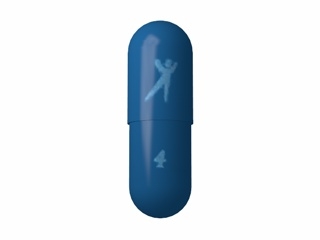


Detrol LA (Tolterodine): Patient Information for Australia
Basic Product Information
| International Non-proprietary Name (INN) | Tolterodine |
|---|---|
| Australia Brand Names | Detrol LA®, Bladderon LA® (others may be available) |
| ATC Code | G04BD07 |
| Available Forms & Strengths | Prolonged-release capsules: 2 mg, 4 mg |
| Manufacturers | Pfizer Australia Pty Ltd, generic manufacturers |
| Prescription Status | Prescription Only Medicine (Schedule 4, requiring a valid Australian script) |
Mechanism of Action
- In Simple Terms (For Patients): Tolterodine helps relax the muscles of your bladder. This reduces the feeling of needing to go to the toilet often or urgently, and can help with accidental leakage.
- For Specialists: Tolterodine is a competitive muscarinic receptor antagonist, with selectivity for M2 and M3 subtypes prevalent in the bladder. By inhibiting these receptors, it reduces involuntary detrusor muscle contractions, enhancing bladder capacity.
Pharmacokinetics
- Absorption: Well absorbed orally. Peak plasma concentrations within 2–6 hours (extended-release form gives smoother, prolonged effect).
- Metabolism: Extensive hepatic metabolism, primarily via CYP2D6 and CYP3A4 to active and inactive metabolites.
- Elimination: Excreted mainly through the urine (77%), small portion via faeces.
- Duration of Action: 24 hours with once-daily dosing of extended-release capsules.
Use in Everyday Life and Best Practices
- Typical Doses: For adults, the usual dose is 4 mg once daily. Your doctor may reduce the dose to 2 mg if you experience side effects or have liver/kidney issues.
- How to Use: Take the capsule whole with water—do not crush or chew. Try to take it at the same time each day.
- Australian Context: Tolterodine is used for symptoms of an overactive bladder, which may include urgency, frequency, and urge incontinence. Speak to your doctor if you have unusual patterns of thirst, urination, or diet (e.g. high tea/coffee intake, typical English diet) for tailored advice.
Dosing in the Morning vs Evening
- Morning: Many patients prefer the morning as part of a daily routine. It may reduce daytime urinary symptoms more effectively for some.
- Evening: Evening dosing may help if night-time bladder symptoms (nocturia) are particularly troublesome, but can lead to dry mouth and insomnia in some people.
- Tips for Regularity: Pick a time that suits your routine and stick to it daily.
- Consult your doctor or pharmacist if you are unsure about the best time for you.
Taking with Food or on an Empty Stomach
- You can take Detrol LA with or without food. Food does not significantly change the absorption or effectiveness of the medicine.
- If you experience an upset stomach, try taking it with food or after a meal, as part of your usual English or European-style breakfast or lunch.
Interaction Warnings
| Type | Interaction | Advice |
|---|---|---|
| Food | No significant effect | Can be taken with or without food |
| Alcohol | May increase drowsiness or dry mouth | Use in moderation; avoid if you feel drowsy |
| Medications | CYP3A4/2D6 inhibitors (e.g. ketoconazole, erythromycin, fluoxetine) | May increase side effects—inform your doctor/pharmacist |
| Other | Potassium-sparing diuretics, anticholinergics (e.g. oxybutynin), strong CYP3A4 inducers (e.g. rifampicin) | Possible reduced or increased effect—discuss with your healthcare provider |
Indications
| Indication | Notes |
|---|---|
| Overactive Bladder Syndrome | With symptoms of urge incontinence, urgency, and frequency (official PBS-approved indication) |
| Off-label (rare/less common use) | No widely accepted off-label indications in Australia. Not subsidised for off-label uses. |
Dosing According to Clinical Indications
| Population | Recommended Starting Dose | Maximum Dose | Comments |
|---|---|---|---|
| Adults | 4 mg once daily | 4 mg once daily | May reduce to 2 mg if side effects occur |
| Elderly (>65 years) | 2 mg once daily | 4 mg once daily | Start with 2 mg; increase at physician’s discretion |
| Paediatric (<18 years) | Not routinely recommended | Not established | Use only under specialist advice |
| Liver/Kidney impairment | 2 mg once daily | 2 mg once daily | Do not exceed 2 mg daily |
Safety Profile / Side Effects
| Frequency | Side Effect | Notes/Severity |
|---|---|---|
| Common (>1%) | Dry mouth, headache, constipation, stomach discomfort, dizziness | Usually mild and tolerable |
| Occasional (0.1% - 1%) | Blurred vision, dry eyes, urinary tract infection, sleep disturbances | Tell your doctor if bothersome |
| Rare (<0.1%) | Severe allergic reactions, difficulty urinating, fast heartbeat, confusion, hallucinations | Contact doctor or emergency services immediately |
| Warnings | Worsening of glaucoma, severe constipation, urinary retention, cognitive changes (elderly) | Tell your GP if you have relevant conditions |
Guidelines for Proper Use (Australian Context)
- Take your capsule whole with water at the same time each day, as advised.
- Regular reviews with your GP or specialist nurse are recommended, especially for medication review and discussion of side effects or improvements.
- Do not stop or change your dose without consulting your prescriber.
- If you miss a dose, take it as soon as you remember. If it’s nearly time for the next dose, skip the missed dose—do not double up.
- Store Detrol LA at room temperature, away from excessive moisture and sunlight. Keep out of reach of children and pets.
- Discuss driving and operating machinery if you experience dizziness or blurred vision, as these side effects may affect safety.
- Contact your Australian community pharmacy or use online prescription services (with a valid script) for refills. Telehealth is widely available in Australia for repeat scripts.
Alternative Treatment Options
- Other Antimuscarinic Agents: Oxybutynin, solifenacin (Vesicare®), darifenacin, trospium. Pros: Similar efficacy, may suit if Tolterodine intolerant. Cons: Side effect profiles and PBS eligibility differ; discuss with your doctor.
- Mirabegron (Betmiga®): A beta-3 agonist, less likely to cause dry mouth or constipation. Suitable for some with frail health or cognitive risk. More expensive if not PBS-approved.
- Non-drug Options: Bladder training, pelvic floor muscle exercises (with a physiotherapist), lifestyle changes (reducing caffeine, evening fluids). First-line recommendation in recent English and international guidelines.
- Reimbursed by PBS: See PBS Website for current listings; not all drugs are equally subsidised.
- Discuss alternatives tailored to your individual needs and medical history with your doctor or pharmacist.
Legal, Registration & Reimbursement Status (Australia)
- Registration: Approved by the Therapeutic Goods Administration (TGA).
- Prescription: Schedule 4 prescription-only. GP or specialist script required.
- Reimbursement: PBS subsidised for patients with evidence of overactive bladder syndrome not responding to non-drug therapy.
- Emergency Supply: Permitted for qualifying patients under pharmacist professional judgement and emergency protocols.
Latest Research and Clinical Guidance (2022–2025)
- Recent 2023–2024 UK and international reviews (NICE guidelines; BJU Int. 2023; Australian Prescriber 2024) confirm Tolterodine is effective and safe for the majority, but individual risk of cognitive side effects (especially in the elderly) must be evaluated.
- Mirabegron and non-drug interventions increasingly recommended as first-line before antimuscarinics, due to favourable safety, especially in older populations.
- Clinical evidence supports a “start low, go slow” approach, particularly for elders and those with comorbidities (Australian Prescriber).
- Current trials are examining combination therapy and tailored patient pathways (see Cochrane Library, 2023).
Availability and Delivery
| Pack Size | Typical Supply Duration | Indicative Price (PBS-subsidised*) | Delivery Times – Sydney | Delivery Times – Melbourne | Delivery Times – Brisbane | Delivery Times – Perth |
|---|---|---|---|---|---|---|
| 28 capsules (4 weeks) | 1 month | $30–$40 | 1–2 days | 1–2 days | 1–2 days | 2–4 days |
| 56 capsules (8 weeks, less common) | 2 months | $55–$75 | 1–2 days | 1–2 days | 1–2 days | 2–4 days |
Frequently Asked Questions (FAQ)
- Do I need to take Detrol LA at the same time every day?
Yes. Taking your medication at the same time each day helps maintain steady levels in your body and reduces the risk of missed doses or side effects. - Can I drink tea, coffee, or alcohol while taking Detrol LA?
Tea or coffee are usually safe, though both can irritate the bladder in some people. Alcohol may intensify side effects such as dizziness or dry mouth, so use in moderation. - What should I do if I forget a dose?
Take your missed dose as soon as you remember, unless it's nearly time for your next dose. In that case, skip the missed dose—do not take a double dose. - How long does Detrol LA take to work?
You may notice some improvement after 1–2 weeks, but it may take up to 8 weeks for full benefits. Regular use is important. - Is it safe for long-term use?
For most adults, regular clinical reviews are recommended at least every 6–12 months to discuss continued need and monitor for side effects, especially cognitive symptoms in the elderly.
Important: This information is not a substitute for professional medical advice. Please consult your GP, specialist, or community pharmacist regarding any questions about Tolterodine (Detrol LA) or your individual health needs.