Detrol (Tolterodine): Comprehensive Patient Guide for Australia
Basic Product Information
| International Non-proprietary Name (INN) | Tolterodine |
|---|---|
| Australia Brand Names | Detrol, Detrusitol |
| Anatomical Therapeutic Chemical (ATC) code | G04BD07 |
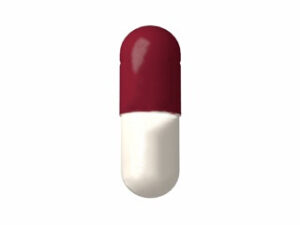
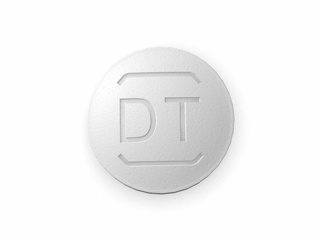
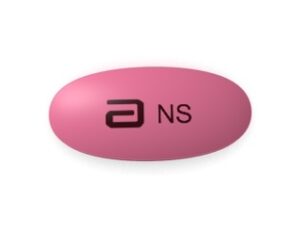
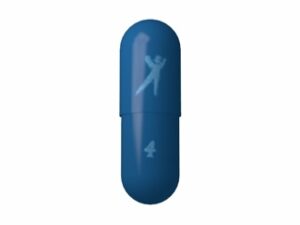
| Available Forms and Strengths | Tablets: 1 mg, 2 mg Prolonged-release capsules: 2 mg, 4 mg |
| Manufacturers | Pfizer Australia Pty Ltd; generic versions may be supplied by Alphapharm and others |
| Prescription Status | Prescription Only Medicine (Schedule 4 – S4) in Australia |
Mechanism of Action
In simple terms: Tolterodine works by relaxing the muscles in the bladder, which helps to reduce the urgent and frequent need to urinate. This is especially useful for people who experience symptoms of overactive bladder (OAB), such as incontinence and frequent trips to the toilet.
For healthcare professionals: Tolterodine is a competitive muscarinic receptor antagonist, with selectivity for bladder detrusor muscle receptors (M2/M3 subtypes). It reduces involuntary contractions, increasing bladder capacity and delaying the urge to void.
Pharmacokinetics
- Absorption: Tolterodine is well absorbed after oral administration. Bioavailability is around 65% for the immediate-release form and up to 77% for extended-release capsules.
- Metabolism: It is extensively metabolised in the liver, primarily by the CYP2D6 enzyme, to its active metabolite, 5-hydroxymethyl tolterodine.
- Elimination: Excreted mainly via urine; a small fraction is eliminated in faeces.
- Half-life: About 2–3 hours for immediate-release; 6–7 hours for extended-release formulation.
- Duration of action: Symptom relief lasts roughly 12–24 hours, depending on the formulation.
Use in Everyday Life and Best Practices
Tolterodine (Detrol, Detrusitol) is commonly prescribed in Australia for overactive bladder symptoms. It helps patients regain confidence and comfort in daily activities, such as shopping, driving, or social events, by reducing unexpected trips to the toilet and incontinence episodes. Most people find improvements within two to four weeks but should continue taking Tolterodine as prescribed even if there is an early benefit; stopping suddenly may cause symptoms to return.
Typical doses: For most adults, the starting dose is 2 mg twice a day (or 4 mg once daily for extended-release). In some cases (elderly or patients with liver/kidney problems), your doctor may recommend 1 mg twice daily. Always take exactly as your doctor and pharmacist have recommended.
- Swallow tablets/capsules whole with water—do not crush or chew.
- Try to take your doses at the same times each day for best effect.
- Regular follow-up appointments are important for monitoring effectiveness and side effects.
Dosing in the Morning vs Evening
Advantages of morning dosing:
- May help cover symptoms throughout the day, when urgency and frequency are most problematic in daily life or work settings.
- May lower risk of disturbed sleep, especially for those who report night-time dryness or difficulty urinating.
- May benefit patients who suffer most from overnight bladder symptoms, such as nocturia (waking at night to urinate).
- Pick a dosing time that best fits your usual routine and stick to it—taking it at the same time daily helps maintain steady medication levels.
- If you miss a dose, take it as soon as possible unless it is almost time for your next dose. Do not double up.
Taking with Food or on an Empty Stomach
Tolterodine can be taken with or without food. Food does not significantly affect absorption or effectiveness. For people with sensitive stomachs, taking the medicine with a light meal (such as breakfast or dinner) can help avoid mild nausea. This fits well with typical English dietary habits, where meals are taken at regular times.
Interaction Warnings
| Substance | Type of Interaction | Advice |
|---|---|---|
| Alcohol | May increase risk of drowsiness or blurred vision | Use caution, especially when driving or operating machinery |
| Other antimuscarinics (oxybutynin, solifenacin, etc) | Additive side effects (dry mouth, constipation, confusion) | Avoid use together unless prescribed for specific circumstances |
| Antidepressants (tricyclics, SSRIs, antipsychotics) | May enhance anticholinergic side effects or increase sedation | Monitor closely; inform your doctor about all medications |
| Antifungal/Antibiotic medicines (ketoconazole, erythromycin) | May slow breakdown of tolterodine, increasing its levels and risk of toxicity | Dosage adjustment may be needed; avoid self-medication |
| Grapefruit juice | Possible effect on tolterodine metabolism | Best avoided during treatment course |
| Warfarin, antiarrhythmic drugs | Minor possible interaction | Monitor for side effects; regular follow-up required |
Indications
| Indication | Status in Australia |
|---|---|
| Overactive bladder (with symptoms of urge incontinence, urgency, and frequency) | Approved |
| Nocturnal enuresis in children | Off-label (rare and specialist use only) |
| Neurogenic bladder (adults) | Occasionally off-label; specialist advice required |
Dosing According to Clinical Indications
| Patient Group | Recommended Dose | Adjustments/Comments |
|---|---|---|
| Adults | 2 mg twice daily (immediate-release) or 4 mg once daily (extended-release) | Start lower (1 mg twice daily) in hepatic/renal impairment |
| Elderly (65+ years) | 1 mg twice daily (immediate-release) or consult specialist | Monitor for confusion, urinary retention, constipation |
| Children (over 5 years; off-label) | Individualised by specialist paediatrician | Use only on specialist advice for enuresis or neurogenic bladder |
Safety Profile and Side Effects
| Frequency | Possible Side Effects |
|---|---|
| Very common (≥1/10) | Dry mouth |
| Common (≥1/100 to <1/10) | Constipation, headache, dry eyes, blurred vision, indigestion, dizziness, fatigue |
| Uncommon (≥1/1,000 to <1/100) | Difficulty urinating, abdominal pain, palpitations, sleep disturbances |
| Rare (≥1/10,000 to <1/1,000) | Allergic reaction (rash, swelling), confusion, urinary retention |
| Serious—seek medical attention | Chest pain, severe allergic reaction (anaphylaxis), hallucinations, severe constipation or inability to urinate |
- Notify your doctor or pharmacist if you notice any worrying side effects.
- Some side effects (e.g., dry mouth or mild constipation) improve over time.
- Ensure adequate hydration—sip water, consider sugar-free gum or lozenges for dry mouth.
Guidelines for Proper Use: Practical Tips for Australian Patients
- Store medicine in a cool, dry place below 25°C; avoid leaving it in cars (especially during hot Australia summers).
- Do not share your medication with others.
- Report any difficulties with swallowing tablets/capsules to your pharmacist; do not split or crush unless explicitly told otherwise.
- Maintain regular toilet habits; don't delay urination for long periods, as this increases risk of urinary tract infection.
- Check with your doctor before stopping the medication, even if you feel better.
- Create reminders (smartphone, written notes) to help remember daily doses.
- Consult your GP or specialist nurse for review if symptoms do not improve after a month.
Alternative Treatment Options
| Medicine | Funded by PBS*? | Pros | Cons |
|---|---|---|---|
| Oxybutynin | Yes | Most cost-effective, long experience in Australia | More dry mouth, sedation than tolterodine |
| Solifenacin | Yes (with criteria) | Once-daily dosing, lower cognitive side effects | Constipation, some out-of-pocket cost |
| Mirabegron | Yes (restricted) | No anticholinergic side effects, safe in elderly | May increase blood pressure, urinary tract infections |
| Non-drug therapy (pelvic floor exercises, bladder retraining) | N/A | Safe, no side effects, often effective | Commitment, time, access to physiotherapist |
*PBS = Pharmaceutical Benefits Scheme. Coverage may depend on individual circumstances and clinical criteria.
Legal, Registration, and Reimbursement Status in Australia
- Legal classification: Prescription Only Medicine (S4, scheduled under the Poisons Standard)
- Registration: Registered with the Therapeutic Goods Administration (TGA)
- Reimbursement: Tolterodine is listed on the PBS under specific criteria for overactive bladder
- Prescription requirements: Only available following consultation with a registered medical practitioner
- Pharmacy supply: Only supplied through Australian pharmacies on presentation of a valid prescription
Latest Research and Clinical Guidance (2022–2025)
Recent evidence, including Australian Prescriber guidelines (2023) and the International Continence Society consensus (2024), continues to support Tolterodine as a first-line oral antimuscarinic for overactive bladder, alongside other agents. Recent studies (Bardsley et al., 2022; Lucas et al., 2023) suggest comparable efficacy to newer agents, but with higher rates of dry mouth and constipation relative to mirabegron. Cognitive safety in elderly patients requires monitoring, especially in those with pre-existing memory impairment. Non-drug management (bladder training, physiotherapy) is strongly recommended as an adjunct.
References available from your practice or local health service.
Availability and Delivery in Australia
| Pack Size | Tablet/Cap. | Indicative Price (AUD, PBS co-payment)* | Average Home Delivery Time |
|---|---|---|---|
| 30 | 1 mg, 2 mg | $7.30 (PBS general beneficiary), $31–38 (private price) | 1–2 business days (Sydney, Melbourne, Brisbane); 2–4 business days (Perth, Adelaide, Darwin, Hobart) |
| 28 (extended-release) | 4 mg | $7.30 (PBS), $36–42 (private price) | Same as above |
*PBS price as of June 2024. Private prices vary by pharmacy and region.
Frequently Asked Questions (FAQ)
1. How long does it take for Tolterodine to work?
Most people start to notice reduced urgency and frequency within 2–4 weeks. For full benefit, it may take up to two months. Continue taking as directed, and do not stop early without speaking with your doctor.
2. What should I do if I forget a dose?
Take the missed dose as soon as you remember, unless it is almost time for your next dose. Do not double the dose to catch up. If you have forgotten several doses, consult your pharmacist or doctor for advice.
3. Can I drink alcohol while taking Detrol?
Alcohol can increase the risk of drowsiness or blurred vision with Tolterodine. Moderate alcohol consumption is permitted for most patients, but it’s safest to see how you feel after your first doses. Do not drive or operate machinery if affected.
4. Are there any foods that react badly with Tolterodine?
Grapefruit and grapefruit juice can affect how your body processes Tolterodine and are best avoided during your course. Otherwise, you can eat a typical diet.
5. Is Tolterodine safe in older adults?
Tolterodine can be prescribed to older adults, but they may be more prone to confusion, constipation, or urinary retention. Lower doses may be recommended, and extra caution is advised in patients with memory issues or frailty.
For further information, please consult your doctor, pharmacist, or local continence advisory service in Australia. Always read the Consumer Medicine Information (CMI) leaflet provided with your prescription.