
Alfacalcidol: Patient-Friendly Guide for Australia
Basic Product Information
| International Nonproprietary Name (INN) | Alfacalcidol |
|---|---|
| Australian Brand Names | One-Alpha, Ostelin, Alfacalcidol Sandoz, Alfacalcidol Mylan |
| Anatomical Therapeutic Chemical (ATC) Code | A11CC03 |
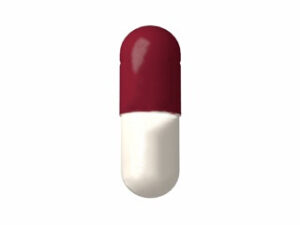
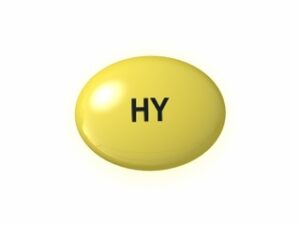
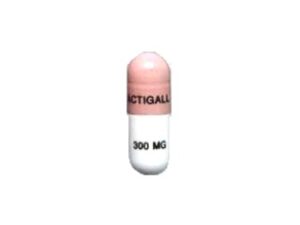
| Available Forms & Strengths |
|
| Manufacturers | LEO Pharma, Sandoz, Mylan, Aspen, Teva |
| Prescription Status | Prescription only (Schedule 4, Rx) |
Mechanism of Action
Simple Explanation: Alfacalcidol is a type of vitamin D. In the body, it is turned into active vitamin D, which helps your gut absorb calcium and phosphate—key for healthy bones, muscles, and nerves. Patients with kidney or liver problems may not process regular vitamin D well; alfacalcidol helps bypass these issues because the body needs fewer steps to activate this medicine.
For Specialists: Alfacalcidol (1α-hydroxycholecalciferol) is a synthetic analogue of vitamin D3. Upon administration, it undergoes rapid hepatic 25-hydroxylation to the active form, 1,25-dihydroxyvitamin D3 (calcitriol). It promotes intestinal absorption of calcium and phosphate and modulates bone resorption, making it especially useful in conditions with impaired endogenous activation of vitamin D.
Pharmacokinetics
- Absorption: Well absorbed orally (about 90%).
- Metabolism: Quickly converted in the liver to active calcitriol; does not require kidney activation.
- Elimination: Mainly via bile and faeces; minor renal excretion.
- Duration of Action: Effects appear within 1–3 days and can last up to 7 days after cessation.
- Half-life: About 3 hours, but biological effects are prolonged.
Everyday Use and Best Practices
Typical Doses:
Alfacalcidol is usually taken once daily. Your doctor will tailor your dose according to your medical needs and response. It is important to have regular blood tests to monitor calcium and kidney function.
How to Use:
- Swallow capsules whole with water. Do not crush or chew.
- Oral drops can be taken directly or mixed with a small amount of water or soft food.
- Try to take your dose at the same time each day to maintain consistency.
- If you miss a dose, take it as soon as possible the same day. If it is almost time for your next dose, skip the missed one. Do not double doses.
- Your doctor may adjust your dose based on your blood test results and dietary intake.
English Context: The average Australian diet provides some vitamin D and calcium, but certain populations (elderly, people with kidney disease, osteoporosis, little sun exposure) are at risk of deficiency and may be prescribed alfacalcidol.
Dosing: Morning vs Evening
Advantages of Morning Dosing:
- Helps establish a daily routine.
- Assists with tracking side effects (such as hypercalcaemia) throughout the day.
- May minimise insomnia, which is a very rare but reported side effect.
- May be convenient for some patients.
- No significant difference in efficacy between morning and evening dosing, but regularity is key.
Taking with Food or on an Empty Stomach
- Alfacalcidol can be taken with or without food.
- Taking with a meal may help reduce stomach upset, but does not affect absorption.
- The traditional English diet, which often contains dairy, provides extra calcium. Your doctor may adjust your dose based on your dietary calcium intake to avoid excess.
- Avoid large sudden changes in diet (e.g., big increases in calcium-rich foods) without professional guidance.
Interaction Warnings
| Interaction | Effect | Advice |
|---|---|---|
| High-calcium foods (dairy, fortified foods) | Increases risk of high calcium in blood (hypercalcemia) | Monitor intake; consult doctor before major dietary change |
| Other vitamin D supplements | Additive risk of toxicity | Avoid unless directed by a doctor |
| Thiazide diuretics (e.g. hydrochlorothiazide) | Increases blood calcium | Extra monitoring required |
| Anticonvulsants (e.g. phenytoin, carbamazepine) | Reduce efficacy of alfacalcidol | Doctor may adjust your dose |
| Cholestyramine, colestipol | Reduce absorption of alfacalcidol | Take at different times of day |
| Alcohol (excessive) | Reduces bone health, increases risk of nutritional issues | Limit intake; seek advice if unsure |
Indications
| Indication | On-label or Off-label |
|---|---|
| Renal osteodystrophy | On-label (PBS) |
| Osteomalacia and rickets (due to chronic kidney disease) | On-label |
| Hypoparathyroidism and pseudohypoparathyroidism | On-label |
| Osteoporosis (especially with renal impairment) | Off-label |
| Prevention of bone loss with anticonvulsants | Off-label |
Dosing According to Clinical Indication
| Indication | Age Group | Usual Dose | Special Notes |
|---|---|---|---|
| Renal osteodystrophy, osteomalacia | Adults | 0.25–1 mcg once daily (max 3 mcg/day) | Titrate every few weeks; monitor calcium |
| Children (20–40 kg) | 0.25–0.5 mcg once daily | Adjust by response | |
| Infants | 0.05–0.1 mcg/kg once daily | Close monitoring essential | |
| Hypoparathyroidism | All ages | 0.25–2 mcg once daily | Slow titration; avoid hypercalcaemia |
| Osteoporosis (off-label) | Elderly | 0.25–1 mcg once daily | Often combined with calcium supplements |
Safety Profile and Side Effects
Alfacalcidol is generally well tolerated but requires regular blood monitoring. Side effects are mainly related to too much calcium in the blood. Promptly inform your healthcare provider if you notice symptoms of hypercalcaemia.
| Side Effect | Frequency | Warning Signs |
|---|---|---|
| High calcium (hypercalcaemia) | Common if overdosed | Nausea, vomiting, constipation, confusion, muscle weakness, increased thirst & urination |
| Skin rash/pruritus | Rare | Seek medical attention for severe skin reaction |
| Headache, drowsiness, fatigue | Uncommon | If persistent, consult your doctor |
| Kidney stones | Rare | Pain in side/back, blood in urine |
| Abdominal pain | Occasional | If severe, seek advice |
| Allergic reactions | Very rare | Swelling of face, tongue; difficulty breathing—call 000 |
Warnings: Use with extra caution in patients with a history of hypercalcaemia, kidney stones, severe liver or kidney disease, or sarcoidosis. Frequent monitoring is essential.
Guidelines for Proper Use (Australia)
- Regular blood tests (calcium, creatinine, phosphate) are essential.
- Inform your GP or pharmacist of all medicines and herbal supplements you are taking.
- Do not start over-the-counter vitamin D or calcium supplements unless your doctor advises.
- Store at room temperature away from direct sunlight and moisture. Keep out of reach of children.
- If you are pregnant, breastfeeding, or planning pregnancy, discuss your treatment plan with your doctor.
- Driving: Alfacalcidol does not impair driving, but high calcium can affect alertness — avoid driving if you feel unwell.
Alternative Treatment Options (PBS-Reimbursed)
- Cholecalciferol (Vitamin D3): For general deficiency; less effective in advanced kidney disease. Fewer monitoring needs, but no benefit if conversion impaired. PBS reimbursed for strict indications.
- Calcitriol: Active vitamin D. More potent, higher risk of toxicity. Often used as an alternative, but requires very careful dosing and monitoring. Reimbursed for specific renal/bone conditions.
- Calcium supplements: For combined deficiency or osteoporosis. Used with or without vitamin D analogues.
- Diet/lifestyle modification: Encouraged where suitable – sun exposure, healthy diet.
Comparison: Alfacalcidol is preferred in chronic kidney/liver disease when patients cannot activate other forms of vitamin D. Calcitriol is a direct active form with quicker onset but narrower therapeutic range.
Legal, Registration, and Reimbursement Status in Australia
- Listed on the Australian Register of Therapeutic Goods (ARTG) and TGA-approved.
- Prescription-only: classified under Schedule 4 (S4).
- Reimbursed under the Pharmaceutical Benefits Scheme (PBS) for approved indications, primarily advanced chronic kidney disease and certain bone disorders.
- Private and PBS scripts accepted at pharmacies nationwide; specific arrangements for concessional cardholders.
Latest Research and Clinical Guidance (2022–2025)
- The Kidney Disease: Improving Global Outcomes (KDIGO) 2024 guidelines recommend alfacalcidol for patients with evidence of secondary hyperparathyroidism in CKD stages 3–5, especially if standard vitamin D is insufficient (See KDIGO 2024 update).
- Recent systematic reviews find alfacalcidol effective at improving bone mineral density and reducing fracture risk in at-risk populations (Bone Reports, 2023, PMID: 36400418).
- Australian and European consensus (2022–2024) notes no benefit of routine use in healthy adults without kidney disorders; use is specialised (RACGP clinical resources).
- Research is ongoing regarding cardiovascular safety in long-term use, with current data showing a neutral effect in most patients.
Availability and Delivery
Alfacalcidol is readily available at most Australian community and hospital pharmacies by prescription.
| Pack Size | Form | Indicative Price (PBS/private) | Delivery: Sydney | Delivery: Melbourne | Delivery: Brisbane | Delivery: Perth |
|---|---|---|---|---|---|---|
| 30 capsules | 0.25 mcg | $18 / $22 | Same day–2 days | Same day–2 days | 1–2 days | 2–4 days |
| 30 capsules | 1 mcg | $28 / $35 | Same day–2 days | Same day–2 days | 1–2 days | 2–4 days |
| 10 mL bottle | 2 mcg/mL (oral drops) | $32 / $38 | Same day–2 days | Same day–2 days | 1–2 days | 2–4 days |
Frequently Asked Questions (FAQ)
- How quickly will alfacalcidol start to work?
Most patients notice effects on calcium levels within 1–2 weeks, but improvements in bones may take several months. Your GP will track your blood tests to judge effectiveness. - Can I take alfacalcidol with other vitamins?
You should not start any additional vitamin D or calcium supplements without talking to your doctor, as there may be increased risk of high blood calcium. - What should I do if I miss a dose?
Take your missed dose as soon as you remember, unless it is nearly time for your next dose—then skip the missed dose. Do not double up. Regularity is important. - Do I need regular blood tests?
Yes, monitoring of calcium and kidney function is required several times a year, or more often if your dose is being adjusted. - Is alfacalcidol safe long-term?
Alfacalcidol can be used safely long-term under medical supervision and regular testing. The biggest risks are from persistently high calcium, so ongoing monitoring is essential.