

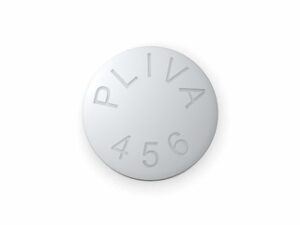
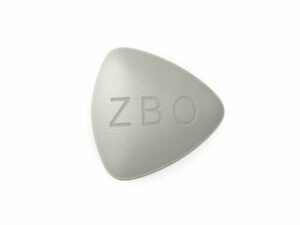
Etodolac: Comprehensive Patient Information for Australia
Basic Product Information
| International Non-proprietary Name (INN) | Etodolac |
|---|---|
| Australia Brand Names | Lodine™, Apo-Etodolac, Etogesic (note: Australian brands may vary and some brands may be discontinued or available on special order) |
| Anatomical Therapeutic Chemical (ATC) Code | M01AB08 |
| Available Forms and Strengths | Tablets (200 mg, 300 mg, 400 mg, 500 mg, 600 mg); Extended Release Tablets (400 mg, 500 mg, 600 mg, 1,000 mg) |
| Manufacturers | Various; consult your pharmacy for currently stocked brands |
| Prescription Status | Prescription Only Medicine (Schedule 4, S4) |
Mechanism of Action
For Patients:
Etodolac is a type of medicine called a non-steroidal anti-inflammatory drug (NSAID). It helps reduce pain, swelling, and inflammation by blocking chemicals in your body that cause these symptoms. This makes it helpful for people with arthritis and other painful conditions.
For Healthcare Professionals:
Etodolac selectively inhibits cyclooxygenase-2 (COX-2) over cyclooxygenase-1 (COX-1), decreasing the synthesis of prostaglandins involved in inflammation and pain signaling.
Pharmacokinetics
- Absorption: Etodolac is well-absorbed after oral administration, with peak plasma levels reached within 1–2 hours for immediate-release and approximately 6–8 hours for extended-release formulations.
- Metabolism: The drug is primarily metabolised in the liver via oxidation and glucuronidation.
- Elimination: Metabolites are mainly excreted in urine (72%), the rest through bile.
- Duration of Action: Pain relief may last 6–8 hours (immediate-release); up to 12–24 hours (extended-release).
- Half-Life: 6–8 hours (may vary in the elderly or those with liver disease).
Use in Everyday Life and Best Practices
Etodolac is commonly prescribed to treat symptoms of osteoarthritis, rheumatoid arthritis, and other inflammatory joint diseases. It can also be used for short-term management of pain (like post-surgical pain, muscle strains, or dysmenorrhea). In Australia, etodolac is usually initiated at the lowest effective dose for the shortest time needed. It’s important to follow your doctor’s instructions and let your pharmacist know about any other medicines you are taking.
- Tablets should be swallowed whole, preferably with a glass of water.
- Do not crush or chew extended-release tablets.
- If you miss a dose, take it as soon as you remember, unless it is almost time for your next dose.
- If you have more than one condition, discuss all your medicines with your GP or pharmacist to avoid interactions.
Morning vs Evening Dosing
The timing of Etodolac dosing can be tailored based on your symptoms:
- Morning: Useful if pain and stiffness are worst at the start of the day; may help with morning activities.
- Evening: Taking in the evening can help control overnight pain and improve sleep in some patients.
- It is important to take your dose at the same time each day to maintain steady levels in your system.
- Extended-release formulations are convenient for once-daily dosing and may be less likely to cause stomach upset if taken after the evening meal.
Taking with Food or on an Empty Stomach
Etodolac can cause stomach upset if taken on an empty stomach. In keeping with Australian dietary habits:
- Take Etodolac with or after food to reduce the risk of stomach irritation and heartburn. A light breakfast (toast, cereal) or main meal is suitable.
- If you experience digestive discomfort, discuss alternative dosing strategies with your healthcare provider.
- Alcohol and spicy foods may increase your risk of side effects — moderate your intake and seek advice if unsure.
Interaction Warnings
| Interaction | Recommendation |
|---|---|
| Alcohol | May increase risk of stomach bleeding—limit to 1–2 standard drinks per day or avoid completely. |
| Other NSAIDs, Aspirin | Do not take with other NSAIDs or high-dose aspirin to avoid increased risk of side effects. |
| Warfarin or other anticoagulants | Risk of bleeding—monitor closely, inform your doctor immediately of any signs of bleeding. |
| ACE inhibitors, ARBs, Diuretics | Increased risk of kidney problems—monitor renal function, especially in the elderly. |
| Lithium, Methotrexate | Etodolac may raise their levels—regular blood tests advised and dose adjustments may be required. |
| Corticosteroids | Higher risk of stomach ulcers—consult your doctor about protective medicine (e.g., omeprazole). |
Always inform your healthcare providers about all medications and supplements you are taking.
Indications
| Indication | Approved Status | Notes |
|---|---|---|
| Osteoarthritis | Approved | Main use; relieves chronic joint pain |
| Rheumatoid arthritis | Approved | Reduces inflammation and stiffness |
| Acute pain (e.g. injury, post-op) | Approved | Short-term use |
| Other musculoskeletal pain, menstrual pain (dysmenorrhoea) | Off-label | Only if other NSAIDs are unsuitable |
Dosing According to Clinical Indications
| Indication | Adults | Paediatric (<18 yrs) | Elderly (>65 yrs) |
|---|---|---|---|
| Osteoarthritis / Rheumatoid Arthritis | 300–500 mg twice daily OR 600–1,000 mg once daily (ER form) | Not typically recommended; consult specialist | Start at lowest dose, e.g. 300 mg twice daily; monitor kidney/gastrointestinal function |
| Acute Pain | 200–400 mg every 6–8 hours as needed; maximum 1,200 mg per day | Not typically recommended | Lower doses; avoid prolonged use |
Dosage must be individualised by your healthcare professional based on your health status and other medicines you may be taking.
Safety Profile and Side Effects
NSAIDs like Etodolac can cause side effects, especially if used long-term or at high doses:
| Common (≥ 1 in 10) | Indigestion, stomach pain or nausea, diarrhoea or constipation, headache, dizziness, swelling of the ankles or legs |
|---|---|
| Occasional (1 in 100 to 1 in 1,000) | Rash, heartburn, fatigue, increased blood pressure, fluid retention |
| Rare (< 1 in 1,000) | Severe allergic reaction (anaphylaxis), asthma attacks, ulceration or bleeding of the stomach or gut, liver problems, kidney problems, cardiovascular events (stroke, heart attack) |
| Cautions | Not suitable if you have a history of stomach/duodenal ulcers, recent heart attack or stroke, severe kidney or liver impairment, or in late pregnancy |
Contact your doctor or pharmacist promptly if you notice yellowing of the skin/eyes, black stools, blood in vomit, or severe stomach pain.
Guidelines for Proper Use (Australia)
- Take with food and a full glass of water to lower stomach risk.
- Limit alcohol intake and avoid over-the-counter NSAIDs unless directed by a healthcare professional.
- Have regular check-ups if you are on long-term therapy, especially for blood pressure, kidney/liver function, and gastrointestinal side effects.
- Only take the dose prescribed. Do not exceed the maximum daily dose.
- Store below 25ºC in a cool, dry place, out of reach of children.
- If prescribed long-term, ask your GP or pharmacist about medicines or supplements for stomach protection (such as a proton-pump inhibitor).
- Inform the pharmacy if you are pregnant, breastfeeding, or planning surgery.
Alternative Treatment Options
- Other NSAIDs: Ibuprofen (Nurofen™), naproxen (Naprosyn™), diclofenac (Voltaren™), meloxicam (Mobic™), celecoxib (Celebrex™); widely available and reimbursed under PBS (Pharmaceutical Benefits Scheme).
- Paracetamol: Often recommended for mild pain or as a safer alternative in older adults, but may be less effective alone for inflammation.
- Opioid painkillers: E.g., codeine, tramadol, oxycodone—reserved for specific cases due to higher risk of dependency and side effects.
- Physical therapies: Physiotherapy, heat/cold packs, weight management, and exercise may help reduce reliance on medication.
- Topical treatments: Diclofenac gel, capsaicin cream—useful for localised joint or muscle pain.
Choice of alternative depends on diagnosis, patient factors, other illnesses, and personal response.
Legal, Registration, and Reimbursement Status in Australia
- Legal Status: Etodolac is classified as a Schedule 4 (S4) “Prescription Only Medicine” in Australia.
- Registration: Registered products are listed with the Therapeutic Goods Administration (TGA).
- Reimbursement: Etodolac is not currently listed on the PBS for general use; other NSAIDs may be reimbursed under specific circumstances. Patients may need to pay the full private price.
- Prescribing: Only doctors, and in some contexts, nurse practitioners/physician assistants can prescribe etodolac. Pharmacist dispensing requires a valid script.
Latest Research and Clinical Guidance (2022–2025)
- Recent TGA and RACGP (Royal Australian College of General Practitioners) updates continue to prioritise using the lowest effective NSAID dose for the shortest possible duration, particularly in older adults (RACGP 2023).
- International guidelines support COX-2 selective NSAIDs (like etodolac) for patients at increased risk of gastrointestinal complications, though cardiovascular risks must still be considered (BMJ 2022; NPS MedicineWise 2024).
- Consistent real-world data suggests etodolac carries a somewhat lower risk of stomach ulcers versus non-selective NSAIDs, but risk of kidney and heart complications remains (Annals of Rheumatic Diseases 2023).
- The role of etodolac in pediatric care remains limited and off-label in Australia.
- Combination with gastro-protective agents (PPIs, misoprostol) should be considered for those at higher risk of ulceration (Aust Prescriber 2024).
Availability and Delivery in Australia
| Pack Size | Indicative Price (AUD)* | Availability | Delivery Times (metro areas) |
|---|---|---|---|
| 60 tablets (300 mg) | $28–$39 | Prescription only, some pharmacies may require special order | Sydney: 1–2 days Melbourne: 1–2 days Brisbane: 2–3 days Perth: 2–5 days Hobart: 3–5 days |
| Extended Release (30 x 600 mg) | $44–$59 | Prescription only, limited pharmacies | Sydney: 2–3 days Other capitals: 3–5 days |
*Prices are indicative as of June 2024 and may vary with pharmacy and health fund.
Frequently Asked Questions
- Is Etodolac safe for long-term use?
Long-term use of Etodolac can increase the risk of stomach ulcers, bleeding, kidney, and heart problems. Your doctor will regularly monitor your health if you need ongoing treatment, and may prescribe protectants or alternative therapies as needed. - Can I take Etodolac if I have allergies to other NSAIDs?
If you have had allergic reactions (asthma, rash, swelling) to other NSAIDs (like ibuprofen or naproxen), do not take etodolac without medical supervision. Seek immediate advice from your GP or pharmacist. - What should I do if I miss a dose?
Take the missed dose as soon as you remember, unless it is nearly time for your next dose. Do not double up. Continue with your normal dosing schedule. - Can pregnant or breastfeeding women take etodolac?
Etodolac should generally be avoided in pregnancy, especially during the third trimester, and while breastfeeding. Always discuss your situation with your doctor. - Does Etodolac interact with over-the-counter medicines and natural supplements?
Yes—common interactions involve other painkillers, herbal remedies, anti-hypertensives, and anticoagulants. Always check with your pharmacist or doctor before starting new medications or supplements.
For further advice about Etodolac or any other medication, please speak to your pharmacist or healthcare professional. Information presented here is for general educational purposes for Australia and does not replace personalised medical care.