
Oxytrol (Oxybutynin) – Comprehensive Patient Guide
Basic Product Information
| International Nonproprietary Name (INN) | Oxybutynin |
|---|---|
| Brand Names in Australia | Oxytrol, Ditropan, Lyrinel XL |
| ATC Code | G04BD04 |
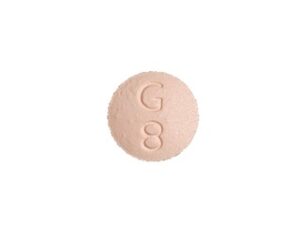
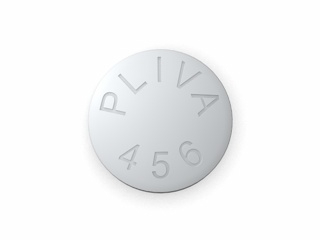
| Available Forms & Strengths | Tablets (2.5mg, 5mg), Extended-release tablets (5mg, 10mg), Transdermal patch (3.9mg/24hr) |
| Manufacturers | Viatris, Aspen Pharmacare, Orion Pharma, Sandoz, and others |
| Prescription Status | Prescription only (Schedule 4) |
Mechanism of Action
For Patients: Oxytrol contains oxybutynin, a medicine that helps relax the bladder muscles. This makes it easier to control urination by reducing urgency, frequency, and incontinence (leakage).
For Healthcare Professionals: Oxybutynin acts as a competitive antagonist of muscarinic acetylcholine receptors (mainly M3 subtype) in the bladder detrusor muscle. This suppression of involuntary muscle contractions reduces overactive bladder symptoms.
Pharmacokinetics
- Absorption: Rapid (oral), with peak plasma levels within 1 hour for immediate-release, & 4–6 hours for extended-release forms; the patch offers steady absorption over 3–4 days.
- Metabolism: Extensively metabolised by hepatic CYP3A4 enzymes.
- Elimination: Half-life approx. 2–3 hours (immediate-release), up to 13 hours (extended-release). Eliminated mainly via urine as metabolites.
- Duration of Action: IR: 4–6 hours; ER: up to 24 hours; Transdermal: 3–4 days per patch.
Use in Everyday Life and Best Practices
- Typically prescribed for adults and children (>5 years) struggling with frequent, urgent urination or urge incontinence.
- Can be used in neurogenic bladder conditions, for example in certain neurological disorders.
- Take the medicine exactly as directed by your doctor or pharmacist. Do not suddenly stop or adjust the dose without medical advice.
- For tablets, swallow whole with water. Do not crush or split extended-release tablets.
- Patches should be applied to clean, dry skin on the abdomen, hip, or buttock and changed twice weekly.
Dosing in the Morning vs Evening
- Morning: Often preferred for once-daily extended-release tablets or patch changes, as AM dosing can reduce risk of nocturnal dry mouth or insomnia.
- Evening: May suit patients whose symptoms are mostly overnight, but may increase risk of dry mouth/constipation during rest.
- Consistency is key: Try to take your dose at the same time each day for best results and fewer side effects.
Taking with Food or on an Empty Stomach
- May be taken with or without food; food has minimal effect on absorption for most formulations.
- Some people find taking tablets with meals reduces the chance of stomach upset.
- For typical Australian diets, there are no major food restrictions (no routine interaction with dairy, tea, coffee, or common Australian fruits/veggies).
Interaction Warnings
Key Interactions:| Drug or Substance | Interaction |
|---|---|
| Other Anticholinergic Medicines | Increased risk of dryness, constipation, confusion (older adults) |
| Alcohol | May worsen drowsiness or dizziness |
| CYP3A4 Inhibitors (e.g., ketoconazole, clarithromycin) | Increase oxybutynin levels, potentially more side effects |
| Antihistamines, Tricyclic Antidepressants | Enhanced anticholinergic side effects (dry mouth, blurry vision) |
| Cholestyramine, Activated Charcoal | May reduce efficacy (avoid concurrent use if possible) |
| Grapefruit Juice | CYP3A4 pathway inhibition is possible, but not clinically significant for most patients |
Indications
| Official TGA-Approved Indications | Off-label / Not Approved |
|---|---|
|
|
Dosing According to Clinical Indications
| Population | Indication | Form/Tablet | Recommended Dose | Maximum Daily Dose |
|---|---|---|---|---|
| Adults | Overactive bladder | Immediate-release tablet | 5mg 2–3 times daily | 20mg |
| Adults | Overactive bladder | Extended-release tablet | 5–10mg once daily | 20mg |
| Adults | Overactive bladder | Transdermal patch | Apply one 3.9mg patch every 3–4 days | One patch every 3–4 days |
| Children (≥5 years) | Neurogenic bladder dysfunction | Immediate-release tablet | 2.5mg two or three times daily | 5mg three times daily |
| Elderly | Any indication | Any form | Start at lowest dose, review often (e.g., 2.5mg twice daily) | As directed by physician |
Safety Profile & Side Effects
Common Side Effects:- Dry mouth (most frequent)
- Constipation
- Blurred vision
- Drowsiness or dizziness
- Urinary retention
- Headache
- Abdominal discomfort
- Patch (Oxytrol): skin irritation, itching, redness
- Confusion, especially in older adults
- Nightmares, agitation
- Increased eye pressure (caution in glaucoma)
- Allergic reactions – rash, swelling, difficulty breathing (seek emergency help)
- Heat stroke (due to reduced sweating)
- Caution in elderly patients (risk of confusion, falls)
- Not advised for people with narrow-angle glaucoma, severe ulcerative colitis, or urinary retention
- May worsen symptoms in patients with myasthenia gravis, Parkinson’s disease, or severe liver disease
Guidelines for Proper Use (Australian Context)
- Follow your doctor's instructions precisely. Do not take more than prescribed.
- Drink water frequently to help with dry mouth. Consider sugar-free gum or lozenges.
- Increase fibre and fluids in your diet to prevent constipation—reflecting typical high-fibre Australian recommendations.
- Avoid driving or operating machinery until you know how oxybutynin affects you.
- Protect against overheating (hot days, exercise) as the medicine can reduce sweating.
- Tell your pharmacist about all other medicines and supplements you use.
- Report side effects to your GP or TGA adverse event reporting system.
Alternative Treatment Options
- Other oral antimuscarinics: Tolterodine, solifenacin, fesoterodine (similar effectiveness, some differences in side effect profile), reimbursed by PBS (Pharmaceutical Benefits Scheme).
- Mirabegron: A beta-3 agonist, used if antimuscarinics are not tolerated. Generally less dry mouth, but may increase blood pressure.
- Botulinum toxin A (injected into bladder): For severe, refractory cases (specialist-prescribed, hospital-based).
- Pelvic floor physiotherapy & bladder retraining: Non-drug option, recommended as a first-line or additional therapy.
- Pros: Alternatives may suit if oxybutynin causes intolerable side effects.
Cons: None are entirely without side effects; not all are suitable for children or elderly.
Legal, Registration & Reimbursement Status in Australia
- Registration: Approved by the Therapeutic Goods Administration (TGA)
- Prescription Required: Schedule 4 (Prescription Only Medicine)
- Reimbursement Status: Many forms covered by the PBS for eligible patients
- Dispensing: Pharmacist supplies after prescription from GP or specialist
- Reporting: Adverse events are collected via the TGA
Latest Research & Clinical Guidance (2022–2025)
- Oxybutynin continues to be a first-line anticholinergic for adults and children with overactive bladder syndrome, per RACGP Australian guidelines (2023).
- PBS data from 2024 confirm solifenacin and mirabegron are used as second-line therapies after oxybutynin if side-effects are problematic.
- Transdermal (patch) forms of oxybutynin are recommended in recent studies (Smith et al. Aust NZ J Med 2023) for older adults to minimise systemic side effects (doi:10.1002/anzjmed.777).
- Patient-centred care is emphasised: dose adjustments should balance symptom relief with tolerability, especially in elderly and paediatric populations (MJA 2024 guidelines update).
- Latest reviews (Cochrane, 2024) support use of oxybutynin in neurogenic bladder, especially when physiotherapy or bladder training has not been sufficient.
Availability and Delivery
Oxybutynin is widely available in Australian community and hospital pharmacies. Prices may vary based on form and PBS status. Most pharmacies offer in-person and delivery (metro and select rural areas). Below is an indicative guide.
| Pack Size | Form | Indicative Price (AUD/PBS copayment) | Estimated Delivery (Sydney, Melbourne, Brisbane, Perth, Adelaide) |
|---|---|---|---|
| 30 tablets | 5mg IR tablet | $20–28 (PBS: $7.30 concessional) | 1–2 business days |
| 30 ER tablets | 10mg | $32–36 (PBS: $7.30 concessional) | 1–2 business days |
| 8 patches | 3.9mg/24hr | $45–55 (PBS: $7.30 concessional) | 2–4 business days (cold chain may apply) |
Remote and regional areas may require an additional 1–3 days for delivery.
FAQ
- Can I drink alcohol while taking Oxytrol?
Moderate alcohol is unlikely to interact seriously, but it can increase drowsiness or dizziness. Always drink responsibly and be aware of your own tolerance. - What should I do if I miss a dose?
Take the missed dose as soon as you remember unless it's near time for the next dose—don’t double up. For patches, apply as soon as possible, but if almost time for your next scheduled patch, skip and continue as normal. - Is dry mouth from Oxytrol dangerous?
Not dangerous, but uncomfortable. Try sipping water often, using sugar-free gum, and maintaining good oral hygiene. If dry mouth becomes severe, discuss lowering your dose with your doctor or pharmacist. - Can children take Oxybutynin?
Yes, but only under specialist supervision for conditions like neurogenic bladder. Dose is lower and monitored closely for side effects. - Can I use Oxybutynin with other overactive bladder medicines?
Usually, only one anticholinergic (like oxybutynin) is prescribed at a time. Combining with mirabegron may be considered for complex cases—always under specialist advice.
For further advice, consult your pharmacist or GP. This information does not replace medical consultation. If you have urgent questions or experience severe side effects, seek immediate medical attention.