Strattera (Atomoxetine): Patient-Friendly Medicine Guide for Australia
Basic Product Information
- Active Ingredient (INN): Atomoxetine hydrochloride
- Australia Brand Names: Strattera
- ATC Code: N06BA09
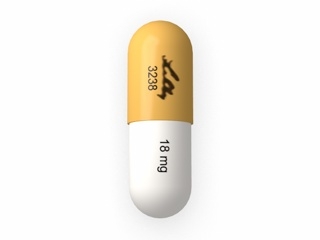
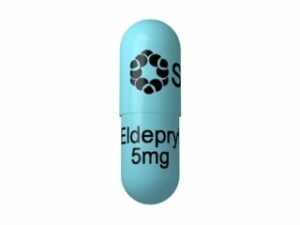
- Available Forms & Strengths: Capsules (10 mg, 18 mg, 25 mg, 40 mg, 60 mg, 80 mg, 100 mg)
- Manufacturers: Eli Lilly Australia Pty Ltd
- Prescription Status: Prescription only (Schedule 4)
Mechanism of Action
Atomoxetine is a selective noradrenaline reuptake inhibitor (NRI). Unlike stimulant treatments for Attention Deficit Hyperactivity Disorder (ADHD), it does not act directly on dopamine receptors. In simple terms, Atomoxetine increases the amount of noradrenaline in the brain, which helps with focus, attention, impulse control, and other symptoms of ADHD.
For specialists: Atomoxetine selectively inhibits the presynaptic noradrenaline transporter, increasing extracellular concentrations of noradrenaline (and, to a lesser extent, dopamine) in the prefrontal cortex, an area implicated in impulse control and attention regulation. It has negligible affinity for other neurotransmitter systems.
Pharmacokinetics
- Absorption: Atomoxetine is well-absorbed after oral administration, with peak plasma concentrations reached within 1–2 hours.
- Metabolism: Predominantly metabolised in the liver via CYP2D6 and CYP2C19 enzymes to active and inactive metabolites.
- Elimination: Mainly excreted via urine (approx. 80%); elimination half-life varies with CYP2D6 metaboliser status (from ~5 to 22 hours).
- Duration of Action: Once-daily dosing is usually sufficient due to sustained efficacy throughout the day.
Use in Everyday Life and Best Practices
- Approved Indication: Treatment of ADHD in children (≥6 years), adolescents, and adults when stimulants are unsuitable, ineffective, or not tolerated.
- Typical Adult Dose: Start with 40 mg once daily; may increase after 7 days to a typical maintenance dose of 80 mg (max 100 mg/day).
- Pediatric Dose (6+ years): 0.5 mg/kg daily initially, increased to ~1.2 mg/kg/day as tolerated.
- How to Take: Swallow capsules whole with water; do not chew or open.
- Advice: Take at the same time each day for best effect.
- Missed Dose: Take as soon as remembered if close to scheduled time; do not double dose.
Dosing: Morning vs Evening
- Morning dose is most common, supporting alertness during day-to-day activities (school, work).
- Evening dose may be considered if daytime drowsiness occurs, but may occasionally interfere with sleep.
- Some may split the dose (morning & late afternoon) if advised by their prescriber.
- Regular timing improves symptom control and reduces side effects.
Taking With Food or on an Empty Stomach
- Atomoxetine can be taken with or without food—meals have little impact on absorption.
- If stomach upset occurs, taking with food (typical English breakfast or dinner) may help.
- High-fat meals might delay absorption slightly but are not clinically significant for most people.
- No need to avoid specific foods; continue usual balanced Australian diet.
Interaction Warnings
| Substance/Group | Interaction | Advice |
|---|---|---|
| MAO Inhibitors (e.g. phenelzine) | Serious risk of hypertensive crisis | Do not use within 14 days of MAOI use |
| CYP2D6 Inhibitors (e.g. fluoxetine, paroxetine) | May increase Atomoxetine levels | Dose adjustment or monitoring may be needed |
| Antihypertensives | Possible effect on blood pressure | Monitor blood pressure regularly |
| Alcohol | May worsen side effects (drowsiness, concentration) | Limit alcohol intake |
| Other ADHD Medications | Unknown effects when combined | Use only under specialist supervision |
| St John’s Wort | Possible effect on medicine levels | Avoid use |
Indications
| Population | Indication Type | Details |
|---|---|---|
| Children, Adolescents, Adults | Official (TGA-approved) | ADHD diagnosis when stimulants are unsuitable, not tolerated, or ineffective |
| Adults | Off-label | Sometimes used for treatment-resistant depression or binge-eating disorder, but not routinely recommended |
Dosing by Clinical Indication
| Population | Typical Starting Dose | Typical Maintenance Dose | Maximum Daily Dose |
|---|---|---|---|
| Children (≥6 years) & Adolescents | 0.5 mg/kg once daily | 1.2 mg/kg once daily | 1.4 mg/kg or 100 mg (lower) |
| Adults | 40 mg once daily | 80 mg once daily | 100 mg once daily |
| Elderly | Cautious use; start low and monitor | Variable; lower end of adult range | Monitor for side effects |
| Renal/liver impairment | Specialist advice required | Reduce or adjust dose | Consider risk profile |
Safety Profile & Side Effects
Atomoxetine is generally well tolerated but, like all medications, may cause side effects. You should report any persistent or concerning symptoms to your prescriber or pharmacist.
| Frequency | Side Effect | Notes/Advice |
|---|---|---|
| Very Common | Reduced appetite, dry mouth, insomnia, headache, nausea | Usually improve with time; take dose in morning, eat frequent small meals |
| Common | Fatigue, drowsiness, stomach upset, increased heart rate | Monitor symptoms, seek advice if persistent |
| Uncommon | Mood swings, palpitations, changes in blood pressure, skin rash | If severe, report urgently to doctor |
| Rare | Liver problems (jaundice, dark urine), suicidal thoughts, severe allergic reaction | Seek immediate medical attention |
| Unknown | Sexual dysfunction, urinary retention | Inform prescriber if concerned |
Guidelines for Proper Use
- Take exactly as prescribed by your doctor—do not exceed recommended dose.
- Monitor blood pressure and heart rate as directed—report significant changes.
- Use caution with machinery or driving until you know how Atomoxetine affects you.
- Attend regular follow-up appointments to assess effectiveness and monitor for side effects.
- Use a medication reminder or app to maintain daily adherence.
- In Western Australia and rural areas, community pharmacists can provide adherence support and advice.
- Do not stop medication abruptly without consulting your prescriber.
- Keep out of reach of children; store below 25°C.
Alternative Treatment Options
- Stimulant Medications (e.g., methylphenidate, dexamfetamine):
- Pros: Often more effective for symptoms; rapid onset
- Cons: Potential for misuse; not suitable for everyone (e.g., history of substance use)
- Guanfacine (Intuniv): Non-stimulant, sometimes used as adjunct or alternative
- Psychological Interventions: Cognitive-behavioural therapy (CBT), social skills training
- Combination Therapy: Rarely, Atomoxetine may be combined with other agents under specialist care
- All major ADHD medicines above are available and subsidised through the PBS (Pharmaceutical Benefits Scheme) if approved for your condition.
Legal, Registration, and Reimbursement Status in Australia
- Regulator: Therapeutic Goods Administration (TGA), Department of Health
- Legal Classification: Schedule 4 ("Prescription Only" Medicine)
- Reimbursement: Available on the PBS for eligible patients with diagnosed ADHD meeting local criteria
- Prescribers must use regulated TGA authority scripts; dispensing governed by state & territory guidelines (e.g., NSW, VIC, QLD ADHD prescribing programs)
- Updated reimbursement and guideline details available from the PBS website.
Latest Research and Clinical Guidance (2022–2025)
- Recent Australian ADHD guidelines (Australian ADHD Professionals Association 2022) recommend Atomoxetine as a second-line option after stimulant therapy or where stimulants are unsuitable.
- Multiple English and international reviews (Rosenau et al., Br J Psychiatry 2023) confirm Atomoxetine efficacy in reducing ADHD symptoms, particularly for patients with a history of substance use or anxiety disorders.
- Ongoing research (e.g., BAARS study, 2024) is evaluating long-term outcomes and safety; preliminary results suggest sustained benefit and low risk of misuse.
- For latest updates, consult NHMRC or TGA resources.
Availability and Delivery
- Popular Pack Sizes: 7, 28, and 30 capsules per box
- Indicative PBS Price (adult, 28 caps): AUD $41.50 (general), AUD $7.30 (concession). Private prices may vary.
| City/Area | Standard Pharmacy Delivery | Expedited Delivery |
|---|---|---|
| Sydney | Same or next day | Same business day |
| Melbourne | Same or next day | Same business day |
| Brisbane | 1–2 working days | Next business day |
| Adelaide | 1–2 working days | Next business day |
| Perth, Hobart, Darwin | 2–5 working days | Contact pharmacy for options |
Frequently Asked Questions (FAQ)
- 1. How long does Strattera take to work?
Atomoxetine can take several days to a few weeks before noticeable improvements are seen. Maximum benefit may occur within 4–6 weeks. Continue taking as prescribed unless advised otherwise. - 2. Can I take Atomoxetine with my other medicines?
Atomoxetine may interact with some medicines, especially antidepressants and certain antihypertensives. Tell your doctor or pharmacist about all medications and supplements you use. - 3. What if I miss a dose?
Take it as soon as you remember, unless it is close to your next scheduled dose. Do not take two doses at once; resume your usual schedule. - 4. Is it safe to drink alcohol while on Atomoxetine?
Light to moderate alcohol is unlikely to cause major issues, but may worsen drowsiness or affect concentration. Limit intake and avoid heavy drinking. - 5. Is Strattera suitable for lifelong use?
Strattera may be used long-term if effective and well tolerated, but regular reviews are recommended to reassess your treatment plan.
For more information, speak to your Australian pharmacist or refer to the TGA website. Always follow your prescriber's instructions and consult before making changes to your medication.