Glycomet (Metformin) – Patient Guide for Australia
Basic Product Information
| International Nonproprietary Name (INN) | Metformin |
|---|---|
| Common Australia Brand Names | Glycomet, Diabex, Glucophage, Formet, Diaformin |
| Anatomical Therapeutic Chemical (ATC) Code | A10BA02 |
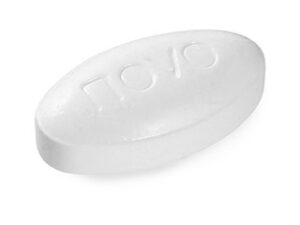
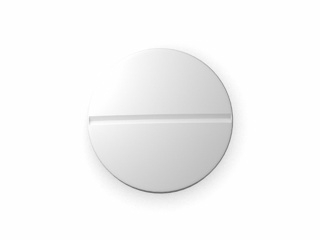
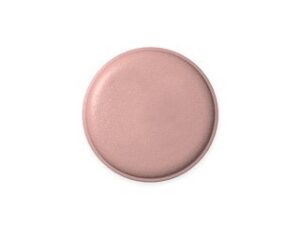
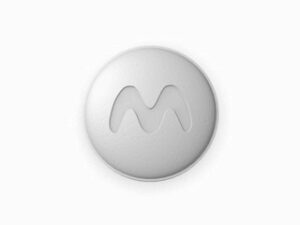
| Available Forms & Strengths | Tablets: 250 mg, 500 mg, 850 mg, 1,000 mg; Extended-release: 500 mg, 750 mg, 1,000 mg |
| Manufacturers in AU | Alphapharm, Apotex, Sandoz, Generic Health, among others |
| Prescription Status | Prescription Only (Schedule 4, S4) |
Mechanism of Action
Simplified explanation: Metformin, the active ingredient in Glycomet, helps control blood sugar levels by making your body respond better to insulin. It reduces the amount of sugar your liver makes and slows the absorption of sugar from your intestines, resulting in lower blood sugar levels.
Specialist detail: Metformin is a biguanide oral antihyperglycaemic agent. It works primarily by inhibiting hepatic gluconeogenesis, increasing peripheral insulin sensitivity (notably in muscle tissue), and reducing gastrointestinal glucose absorption. Importantly, metformin does not stimulate pancreatic insulin secretion, thus it rarely causes hypoglycaemia on its own.
Pharmacokinetics
- Absorption: Metformin is absorbed mainly from the upper small intestine; about 50–60% bioavailable after oral administration.
- Metabolism: Metformin is not metabolised by the liver and does not bind to proteins significantly.
- Elimination: Metformin is eliminated unchanged in the urine. The average elimination half-life is ~6.5 hours (immediate-release) and up to 17 hours for extended-release forms.
- Duration of Action: Typically, 6–12 hours for immediate-release tablets and 24 hours for extended-release (once daily dosing).
Use in Everyday Life & Best Practices
Glycomet is most commonly prescribed as part of a comprehensive diabetes management plan, which includes healthy eating and physical activity. The typical starting dose for adults is 500 mg once or twice daily, gradually increased to reduce side effects and achieve desired blood sugar control. The maximum daily dose is usually 2,000–3,000 mg (divided into 2–3 doses throughout the day).
Tablets should be swallowed whole with water. In the Australian diet, rich in fibre and moderate-sized meals, taking Metformin with food is highly recommended to reduce gastrointestinal side effects.
Dosing: Morning vs Evening
- Morning dosing: May fit well with breakfast and daily routine; useful for patients with minimal morning GI discomfort.
- Evening dosing: Often preferred, especially with extended-release formulations, to maintain blood glucose overnight; also helps those who experience less GI upset in the evening.
- Tips: Take doses at the same time each day. For divided doses, schedule with breakfast and dinner to align with main meals.
Taking with Food or on an Empty Stomach
- Metformin should be taken with or immediately after food to minimise stomach upset, nausea, diarrhoea, and abdominal pain.
- Traditional English and Australian breakfasts (oats, protein, wholemeal bread) are suitable options.
- Taking on an empty stomach increases risk of GI side effects.
- Avoid high-fat, high-sugar meals to support overall diabetes management.
Interaction Warnings
| Interaction | Effect/Recommendation |
|---|---|
| Alcohol | Can increase risk of lactic acidosis; avoid excessive intake. |
| Other Diabetes Medications | Risk of hypoglycaemia with sulfonylureas, insulin, or glinides; monitor glucose. |
| Radiographic contrast agents | Risk of acute kidney injury and lactic acidosis; temporarily stop metformin. |
| Corticosteroids, thiazide diuretics | May increase blood sugar; closer monitoring required. |
| Beta-blockers | May mask hypoglycaemia symptoms. |
| Renal impairment medicines (NSAIDs, ACE inhibitors) | May affect kidney function, increasing risk of lactic acidosis. |
Indications
| Indication | Official / Off-label |
|---|---|
| Type 2 Diabetes Mellitus (T2DM) | Official (TGA) |
| Polycystic Ovary Syndrome (PCOS) | Off-label, commonly prescribed |
| Pre-diabetes / Impaired glucose tolerance | Off-label, selective use |
| Gestational Diabetes (in some cases) | Off-label, TGA guidance required |
Dosing According to Clinical Indications
| Population/Indication | Initial Dose | Maintenance Dose | Maximum Dose |
|---|---|---|---|
| Adults (Type 2 Diabetes) | 500 mg once or twice daily | 500–1,000 mg twice daily | 3,000 mg/day (divided) |
| Adults (PCOS) | 500 mg once daily | 500 mg twice daily | 2,000 mg/day |
| Children & Adolescents (10–17 yrs) | 500 mg once daily | 500–1,000 mg twice daily | 2,000 mg/day |
| Elderly (adjusted for kidney function) | 500 mg once daily | 500–1,000 mg daily | 1,000–2,000 mg/day Regular monitoring required |
Safety Profile & Side Effects
- Common: Nausea, diarrhoea, stomach pain, loss of appetite, metallic taste
- Less common: Headache, mild rash, weight loss
- Serious (rare): Lactic acidosis (medical emergency: symptoms include rapid breathing, severe weakness, abdominal pain, irregular heartbeat)
- Precautions: Avoid in severe kidney, liver, or heart disease; review before any surgeries or scans using contrast dyes.
Guidelines for Proper Use (Australia Pharmacy & Clinical Advice)
- Always take Metformin as prescribed by your doctor. Do not alter the dose without consulting your GP.
- Take tablets with meals to limit gastric symptoms.
- Stay well hydrated, especially in the Australian climate.
- Attend regular check-ups for kidney function and blood glucose monitoring.
- Inform all healthcare professionals (including your dentist) that you are taking Metformin.
- If you vomit repeatedly, develop dehydration, or become very unwell (fever, infection), stop taking Metformin and seek immediate advice.
- If a dose is missed, take it as soon as you remember, unless it’s nearly time for the next dose. Do not double up.
Alternative Treatment Options
- SGLT2 inhibitors (e.g., dapagliflozin, empagliflozin) – Promote glucose loss via urine; can aid in weight loss and heart protection, but may cause urinary infections.
- DPP-4 inhibitors (e.g., sitagliptin, vildagliptin) – Can be combined with Metformin for better control; few side effects.
- GLP-1 receptor agonists (e.g., dulaglutide, semaglutide) – Injectable; promote weight loss and heart benefits, but may cause GI upset.
- Sulfonylureas (e.g., gliclazide) – Increase insulin secretion, low cost, but may cause weight gain and hypoglycaemia.
- Insulin therapy – Reserved for advanced cases or where oral agents are inappropriate.
Most of these medications are covered by the Pharmaceutical Benefits Scheme (PBS) in Australia for eligible patients. Each has distinct risks and benefits; your diabetes educator, GP, or pharmacist can help tailor choices to your circumstances.
Legal, Registration & Reimbursement Status in Australia
- Metformin is approved by the Therapeutic Goods Administration (TGA).
- Listed on the PBS: reimbursed for Type 2 diabetes and, in select cases, PCOS.
- Classified as S4 (Prescription Only Medicine); requires a valid prescription from a registered Australian prescriber.
- Available as a generic drug; lower co-payments are typical if prescribed under PBS.
Latest Research and Clinical Guidance (2022–2025)
National and international guidelines (e.g., Australian Diabetes Society, RACGP, ADA, EASD) continue to endorse Metformin as the first-line therapy for Type 2 diabetes due to its long-standing safety, cardiovascular neutrality, and low risk of hypoglycaemia (see RACGP Diabetes Guideline, 2023 update, and Diabetes Australia).
- Recent data reinforce benefits in pre-diabetes risk reduction and selected cases of PCOS.
- The risk of lactic acidosis remains rare when used appropriately and at recommended doses.
- Ongoing research is exploring Metformin's role in weight management and anti-ageing, although these uses are not yet officially approved.
Availability and Delivery
| Pack Size | Tablet Strength | Typical PBS Price (AU$)* | Delivery Time (Sydney) | Delivery Time (Melbourne) | Delivery Time (Brisbane) | Delivery Time (Perth) |
|---|---|---|---|---|---|---|
| 100 tablets | 500 mg | ~$6.50 (concession); ~$20 (general) | 1–2 days | 1–2 days | 1–2 days | 2–3 days |
| 100 tablets | 1,000 mg | ~$6.50 (concession); ~$20 (general) | 1–2 days | 1–2 days | 1–2 days | 2–3 days |
| 60 tablets (XR) | 500 mg or 1,000 mg XR | ~$6.50 (concession); ~$20 (general) | 1–2 days | 1–2 days | 1–2 days | 2–3 days |
*Prices as of 2024; consult your pharmacy for the latest information. Delivery varies by provider.
FAQ – Patient Questions
- 1. What if I miss a dose?
Take your next dose as soon as you remember unless it’s nearly time for the next scheduled dose. Do not take a double dose. If in doubt, ask your pharmacist or GP. - 2. Why do I feel sick after taking Glycomet?
Stomach upset is common at first. Try taking your dose with a meal. Most people adjust after a week or two; if symptoms persist, discuss with your doctor. Slow dose increases can help. - 3. Do I need to avoid any foods?
There are no strict food restrictions, but eating balanced, fibre-rich meals and limiting alcohol is important. Avoid large, fatty, or sugary meals to better control blood glucose. - 4. Can I drink alcohol on Metformin?
It’s best to limit alcohol; excessive intake (especially binge drinking) raises the risk of lactic acidosis, a rare but serious side effect. - 5. Will Metformin affect my weight?
Metformin may help with modest weight loss or maintaining neutral weight, unlike some other diabetes medications.