Glyburide – Comprehensive Patient Information for Australia
Basic Product Information
| International Nonproprietary Name (INN) | Glyburide (also known as Glibenclamide) |
|---|---|
| Common Australian Brand Names | Daonil®, Glynase® (generic glyburide also available) |
| ATC Code | A10BB01 |
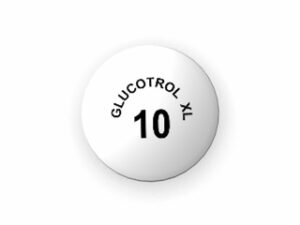
| Available Forms & Strengths | Tablets: 2.5 mg and 5 mg |
| Manufacturers | Sanofi-Aventis, Alphapharm, and several approved generic suppliers |
| Prescription Status | Prescription only (Schedule 4, S4, Prescription Medicine) |
Mechanism of Action
For Patients:
Glyburide helps control blood sugar (glucose) in people with type 2 diabetes. It works by encouraging your pancreas to release more insulin, which helps to lower your blood sugar.
For Healthcare Professionals:
Glyburide is a second-generation sulfonylurea antidiabetic. It stimulates insulin secretion from functioning pancreatic beta cells by closing ATP-dependent potassium channels, leading to cell depolarisation and calcium influx. This promotes insulin release, helping to lower circulating glucose levels.
Pharmacokinetics
- Absorption: Rapid oral absorption, peak plasma levels in ~4 hours.
- Distribution: Highly protein-bound (~99%).
- Metabolism: Extensively metabolised by the liver (CYP2C9).
- Elimination: Mainly renal/biliary; 3-10 hours half-life (may be prolonged in elderly or renal impairment).
- Duration of action: 12–24 hours.
Use in Everyday Life and Best Practices
Glyburide is prescribed as part of a comprehensive diabetes management plan. This includes healthy eating (following Australian Dietary Guidelines), regular physical activity, and monitoring of blood glucose levels. Dosages and frequency of administration are typically determined by your doctor based on your response and individual needs.
- Typical adult dose: 2.5–5 mg once daily, increased gradually if needed, up to a maximum of 20 mg per day (divided doses).
- Pediatric use: Not routinely recommended, but specialist use may occur (see below).
- Elderly: Lower starting doses (e.g., 1.25 mg); caution to reduce risk of low blood sugar (hypoglycaemia).
- Tablets should be taken with breakfast or the first main meal to reduce risk of hypoglycaemia.
- Never crush or chew the tablet; swallow whole with a glass of water.
- Monitor blood sugar regularly using a home glucose meter, as advised by your care team.
Dosing: Morning vs Evening
Dosing in the Morning:
- Preferred, as it matches the body's natural rhythm of food intake and insulin demand.
- Helps reduce risk of hypoglycaemia overnight.
- Sometimes needed if prescribed twice daily or if blood sugar spikes in the evening.
- Increases risk of nocturnal hypoglycaemia; extra caution is required, especially in frail or elderly patients.
Taking with Food or on an Empty Stomach
Glyburide should be taken with food—preferably breakfast or your first main meal of the day. Taking it on an empty stomach increases the risk of hypoglycaemia. Meals based on typical Australian dietary habits (e.g., cereals, wholegrain bread, eggs, fruit) are appropriate. Avoid skipping meals after taking glyburide.
Interaction Warnings
| Type | Interactions / Risks | Advice |
|---|---|---|
| Food | Take with meals. Avoid excessive alcohol and very low-calorie diets. | Do not skip meals; keep a regular eating pattern. |
| Alcohol | May increase risk of hypoglycaemia; enhances blood sugar-lowering effect. | Limit or avoid alcohol consumption. |
| Medications | Some medications increase the effect (risk of low blood sugar): e.g., ACE inhibitors, NSAIDs, MAOIs, warfarin, certain antifungals (miconazole, fluconazole), and some antibacterials (e.g., sulfonamides). Others lower the effect (risk of high blood sugar): corticosteroids, diuretics (thiazides), oral contraceptives, certain antipsychotics. | Check with your pharmacist or doctor before starting any new medication (including over-the-counter and herbal products). |
Indications
| Indication | Status | Notes |
|---|---|---|
| Type 2 Diabetes Mellitus (adults) | Approved | When diet, exercise, and weight reduction alone do not provide adequate glycaemic control |
| Gestational Diabetes Mellitus | Specialist use (off-label in Australia, more common in USA) | Not first-line; metformin or insulin preferred in Australia |
| Neonatal Diabetes | Off-label, strictly specialist | May be used in certain genetic forms, under specialist care |
Dosing According to Clinical Indications
| Population | Usual Starting Dose | Maintenance Dose | Maximum Dose |
|---|---|---|---|
| Adults | 2.5–5 mg once daily | 2.5–10 mg once or twice daily | 20 mg/day |
| Elderly (≥65 yrs) | 1.25–2.5 mg once daily | Up to 10 mg/day (cautiously titrated) | 20 mg/day (generally not recommended) |
| Pediatric | Not routinely used; individualised by specialist | — | — |
| Gestational Diabetes | Not approved; specialist off-label use only | — | — |
Safety Profile / Side Effects
Like all medicines, glyburide may cause side effects. Many people experience no or minor side effects.
| Frequency | Possible Side Effects |
|---|---|
| Very Common / Common |
|
| Uncommon |
|
| Rare |
|
Seek immediate medical attention if you experience symptoms of a severe allergic reaction, persistent vomiting, confusion, or recurrent hypoglycaemia.
Guidelines for Proper Use
- Take glyburide exactly as prescribed by your doctor.
- Never double-dose; if you miss a dose, contact your healthcare provider for advice.
- Carry fast-acting carbohydrate (e.g., glucose tablets, fruit juice) to treat low blood sugar symptoms.
- Wear a diabetes identification bracelet or carry a wallet card, especially when travelling within Australia.
- Let your doctor or pharmacist know if you plan surgery, become pregnant, or start any new medications.
- Store in a cool, dry place below 30°C; keep away from children.
- Keep track of expiry dates; do not use expired medicine.
- Return unused or expired supplies to your local pharmacist for safe disposal.
Alternative Treatment Options
- Metformin
- Pros: First-line therapy; low risk of hypoglycaemia; weight neutral; widely funded by the PBS.
- Cons: May cause stomach upset; unsuitable if significant kidney/liver impairment.
- Other Sulfonylureas (e.g., gliclazide, glipizide)
- Pros: Similar efficacy; some with lower hypoglycaemia risk (e.g., modified-release gliclazide).
- Cons: Risk of hypoglycaemia and weight gain remains.
- SGLT2 inhibitors (e.g., dapagliflozin, empagliflozin)
- Pros: Promote weight loss and heart/kidney benefits; PBS funded criteria apply.
- Cons: Risk of genital/urinary infections; not suitable in severe kidney disease.
- DPP-4 inhibitors (e.g., sitagliptin, linagliptin)
- Pros: Oral, low risk of hypoglycaemia; weight neutral; PBS reimbursement for some types of diabetes.
- Cons: May be less potent for some patients; rare joint pain risk.
- GLP-1 analogues (e.g., semaglutide, dulaglutide)
- Pros: Weight loss; glucose lowering; some cardiovascular benefit; subsidised in limited scenarios.
- Cons: Injectable; can cause nausea; availability depends on PBS eligibility.
- Insulin
- Pros: Essential for some patients (advanced disease, pregnancy).
- Cons: Injectable; risk of hypoglycaemia and weight gain.
Discuss alternatives with your GP, specialist, or diabetes educator, especially if you struggle with side effects or glycaemic control.
Legal, Registration, and Reimbursement Status in Australia
- Registration: Glyburide (Daonil®, generics) is registered with the Therapeutic Goods Administration (TGA).
- Prescription Requirement: Prescription only (Schedule 4, S4).
- PBS (Pharmaceutical Benefits Scheme): Glyburide is subsidised for type 2 diabetes when criteria are met (consult your GP or pharmacist).
- Pharmacy Supply: Available in community and hospital settings by registered pharmacists.
- Not covered for gestational diabetes or routine paediatric use under the PBS.
Latest Research / Clinical Guidance (2022–2025)
- Australian Diabetes Society (ADS) Guidelines (2023): Glyburide remains an approved, but less frequently used, sulfonylurea due to higher risk of hypoglycaemia compared to gliclazide.
- International Diabetes Federation (IDF) Consensus (2023): Patient-centred care with emphasis on minimising risk of hypoglycaemia; use glyburide when other oral therapies are unsuitable or contraindicated (IDF 2023 updates).
- Recent studies: Suggest sulfonylureas, including glyburide, remain effective for glycaemic lowering, but are not first-line due to hypoglycaemia risk. Use in older adults and those with renal impairment is declining (ADA/Diabetes Care 2023).
- Local practices: Australian GPs favour metformin and newer agents. Glyburide use is appropriate only where other agents are not suitable or tolerated.
Availability and Delivery
| Pack Size | No. of Tablets | Indicative PBS Price* |
|---|---|---|
| 2.5 mg | 84 (monthly) | $6.70 (concession), $30–$40 (general) |
| 5 mg | 84 (monthly) | $6.70 (concession), $30–$40 (general) |
| City | Metropolitan Delivery | Regional/Rural Delivery |
|---|---|---|
| Sydney | Same/Next Business Day | 2–4 Business Days |
| Melbourne | Same/Next Business Day | 2–4 Business Days |
| Brisbane | Same/Next Business Day | 2–4 Business Days |
| Perth | 1–2 Business Days | 3–7 Business Days |
| Adelaide | Same/Next Business Day | 2–5 Business Days |
*PBS prices subject to government changes; check with your pharmacy for latest costs.
Frequently Asked Questions (FAQ)
- Is glyburide the same as glibenclamide?
Yes. The terms are used interchangeably; "glyburide" is the US name, while "glibenclamide" is the INN and preferred in Australia. - Can I take glyburide along with metformin or other diabetes medicines?
Often, yes. Your doctor may prescribe glyburide with metformin or other oral agents to improve blood sugar control. Never change or add medicines without consulting your doctor. - What should I do if I miss a dose?
If you remember within a few hours, take the missed dose with food. If it’s nearly time for your next dose, skip the missed dose—never double up. Contact your pharmacist or doctor for further advice. - Does glyburide cause weight gain?
It may cause modest weight gain in some people. Maintaining an active lifestyle and choosing a healthy, balanced diet can help limit this effect. - Can glyburide be used in pregnancy or breastfeeding?
Glyburide is not routinely recommended during pregnancy or breastfeeding in Australia; insulin or metformin is generally preferred—talk to your doctor if planning pregnancy or while breastfeeding.