Sinequan (Doxepin): Comprehensive Patient Guide for Australia
Basic Product Information
| International Nonproprietary Name (INN) | Doxepin |
|---|---|
| Australia Brand Names | Sinequan (Amdipharm Mercury), Deptran, others |
| ATC Code | N06AA12 |
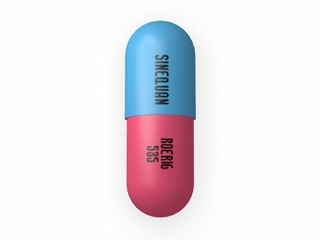
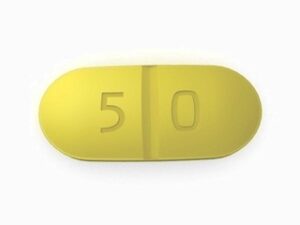
| Available Forms & Strengths | Capsules: 10 mg, 25 mg, 50 mg, 75 mg; Oral solution: 10 mg/mL; Tablets (not widely available in AU) |
| Manufacturers | Amdipharm Mercury (Australia), Arrow Pharmaceuticals, Sigma Pharmaceuticals, and others |
| Prescription Status | Prescription Only Medicine (Schedule 4) |
Mechanism of Action
In Simple Terms: Doxepin is a type of medicine called a tricyclic antidepressant (TCA). It works in the brain by increasing the levels of certain chemicals (mainly serotonin and norepinephrine) that help improve mood and relieve anxiety. Doxepin also has a calming or sedating effect, which can help with sleep problems.
Specialist Information: Doxepin inhibits the reuptake of serotonin and norepinephrine by presynaptic nerve terminals, leading to their increased activity in synaptic clefts. It also has marked antihistaminic (H1) activity and mild anticholinergic and antiadrenergic effects.
Pharmacokinetics
- Absorption: Doxepin is well absorbed from the gastrointestinal tract after oral administration. Peak blood levels occur within 2–4 hours.
- Metabolism: It is mainly metabolised in the liver via CYP2D6 to active and inactive metabolites, including desmethyldoxepin.
- Elimination: Excreted in urine, mainly as metabolites; minor amounts unchanged.
- Half-life: Parent compound and metabolites have a half-life of 8–24 hours (variable between individuals).
- Duration of Action: Typically lasts 6–12 hours, with sedative effects often prominent during the first 4–8 hours.
Use in Everyday Life and Best Practices
Doxepin is prescribed by Australian doctors for several conditions. It may be used short- or long-term, depending on your health needs. Always take Doxepin as directed by your healthcare provider and never abruptly stop unless advised.
- Depression & Anxiety: Usually started at the lowest effective dose and adjusted slowly. Relief of symptoms may take 2–4 weeks.
- Sleep Problems (Insomnia): Lower doses are often used for sleep, sometimes as little as 3–6 mg (off-label, by specialist advice).
- Itching (Pruritus, Dermatitis): Due to its strong antihistamine effect, doxepin is sometimes prescribed for severe chronic itchy skin conditions.
Dosing in the Morning vs Evening
- Best Time to Take: Most people are advised to take doxepin in the evening or at night because it can cause drowsiness. Taking it at bedtime may help improve both mood and sleep.
- If taken in the morning: This is less usual and may be suitable in rare cases where sedation is not a concern. Morning use can cause daytime sleepiness, so caution is needed (e.g., avoid driving or operating machinery if drowsy).
- Tips: Take doxepin at the same time each day to maintain a steady level in your body. Speak to your pharmacist or doctor if you are unsure about the timing.
Taking with Food or on an Empty Stomach
- Doxepin can be taken with or without food.
- Taking it after an evening meal or light snack may help reduce stomach discomfort and improve absorption.
- Heavy, fatty meals may delay absorption slightly but usually do not affect effectiveness.
- Coffee, tea, and other caffeinated drinks - common in the English diet - should be limited close to bedtime if you are using doxepin for sleep, as they may reduce its effectiveness for insomnia.
Interaction Warnings
| Interaction | What You Need to Know |
|---|---|
| Alcohol | Avoid combining with alcohol. It will increase sedation and risk of side effects. |
| Other sedatives (e.g., benzodiazepines, sleeping tablets) | May cause excessive drowsiness/confusion. Consult your prescriber. |
| Other antidepressants (SSRIs, MAOIs, etc.) | Potential for dangerous interactions. Never combine without speaking to your doctor. |
| Antihistamines | Increases risk of drowsiness and anticholinergic effects. |
| Heart medications (anti-arrhythmics, beta-blockers) | May increase risk of heart rhythm disturbances. Caution advised. |
| Grapefruit juice | Rarely used in English diet but may slightly increase blood levels of doxepin. |
Indications
| Indication | Approved in Australia | Off-Label Use |
|---|---|---|
| Major depressive disorder | Yes | No |
| Generalised anxiety disorder | Yes | No |
| Insomnia (short-term or chronic) | No | Yes |
| Chronic pruritus (itching) | Yes | No |
| Dermatitis, urticaria (hives) | No | Yes |
Dosing According to Clinical Indications
| Condition | Typical Adult Dose | Elderly Dose | Paediatric Dose |
|---|---|---|---|
| Depression/Anxiety | Initial: 25–75 mg daily (single dose at night or split during the day). Usual range: 75–150 mg/day. Max 300 mg/day. | 10–25 mg at night, increased cautiously if tolerated. Lower doses reduce risk of confusion/falls. | 6–12 years: 10 mg 3 times daily, up to 3 mg/kg/day in divided doses under guidance. |
| Insomnia | 3–6 mg at night (as specially formulated low-dose capsules, off-label use in AU). | 3 mg at night (use with extra caution). | Not routinely recommended. |
| Chronic Pruritus/Dermatitis | 10–25 mg at night, up to 75 mg daily if tolerated. | Start at the lowest possible dose. | Off-label use only, by specialist. |
Safety Profile and Side Effects
| Common Side Effects | Serious Side Effects (Seek Medical Help) | Rare Side Effects |
|---|---|---|
|
|
|
Guidelines for Proper Use
- Always use Doxepin exactly as prescribed.
- Do not stop taking suddenly—rapid withdrawal can lead to unpleasant symptoms.
- If you miss a dose, take it as soon as you remember. If it's nearly time for your next dose, skip the missed dose—do not double up.
- Inform your doctor about any other medicines, herbal products, or supplements you are taking (including over-the-counter items).
- Use extra sun protection; Doxepin can rarely cause sensitivity to sunlight.
- For long-term use, blood tests may be recommended to check your liver, heart, and blood health.
- Attend regular follow-ups with your GP to monitor progress and side effects.
Alternative Treatment Options
- Other Antidepressants: SSRIs (e.g., sertraline, fluoxetine), SNRIs (e.g., venlafaxine), mirtazapine, and others are commonly prescribed and are available under the PBS (Pharmaceutical Benefits Scheme).
- Other Sleep Aids: Non-drug sleep hygiene measures are first-line. Other options include low-dose mirtazapine, the sedating antihistamine promethazine, or short courses of benzodiazepines (with specialist approval).
- For Chronic Pruritus: Antihistamines (cetirizine, loratadine, promethazine), topical corticosteroids, and specialist dermatology therapies may be considered depending on cause.
Comparative Overview: TCAs like Doxepin may be more sedating, with a greater risk of side effects in older adults compared with newer antidepressants such as SSRIs. However, Doxepin's strong antihistaminic effect makes it uniquely effective for itchy skin disorders.
Legal, Registration, and Reimbursement Status in Australia
- Doxepin is a Schedule 4 (Prescription Only) medicine in Australia.
- Listed on the Australian Register of Therapeutic Goods (ARTG).
- Approved by the Therapeutic Goods Administration (TGA).
- Some brands (e.g., Deptran) are subsidised under the Pharmaceutical Benefits Scheme (PBS) for depression and anxiety.
- Prescription is required from a registered medical practitioner.
Latest Research and Clinical Guidance (2022–2025)
- Recent reviews (Faculty of Psychiatry, RANZCP 2023; Lancet Psychiatry 2024) confirm doxepin's safety and effectiveness in resistant depression and specific sleep disorders, especially when standard options are ineffective.
- Low-dose doxepin (3–6 mg) has evidence for improved sleep onset and maintenance, with a favourable side effect profile in adults without severe psychiatric comorbidities (Sharma et al., Sleep Med Rev. 2022).
- TCA antidepressants, including doxepin, remain on the Australian Therapeutic Guidelines for major depression and anxiety disorders, but are generally not first-line except in certain cases.
- Careful monitoring is essential for elderly patients due to increased risk of confusion, falls, and cardiac events (Australian Commission on Safety and Quality in Health Care, Guidance 2024).
Availability and Delivery
| Pack Size | Approximate Price (PBS/private) | Online Delivery to Major AU Cities |
|---|---|---|
| 30 capsules (25 mg) | $12–$18 (PBS); $20–$28 (private) | 1–2 business days: Sydney, Melbourne, Brisbane 2–3 business days: Perth, Adelaide, Canberra |
| 100 capsules (25 mg) | $24–$36 (PBS); $50–$70 (private) | 1–3 business days (all capitals), 3–5 days rural/remote |
| 200 mL oral solution | $22–$40 (private only) | 2–4 business days (most locations) |
Availability may vary depending on local pharmacy stocks and brands supplied. Speak with your pharmacist if you have special requirements.
FAQ – Sinequan (Doxepin) in Australia
- Q1: How long does it take for Doxepin to work?
A: Most people start to feel the benefit for mood or anxiety within 2–4 weeks. For sleep or itching, benefit may be noticeable sooner (within days). Continue taking as prescribed. - Q2: Can I drink alcohol while taking Doxepin?
A: No, alcohol should be avoided as it significantly increases risk of drowsiness, confusion, and other side effects. - Q3: What should I do if I miss a dose?
A: Take it as soon as you remember, unless it's nearly time for your next dose. Never take a double dose to make up for a missed one. - Q4: Is Doxepin addictive?
A: No, doxepin is not habit-forming or addictive. However, sudden stopping can cause withdrawal symptoms; always reduce gradually under medical supervision. - Q5: What if I plan to travel or move between pharmacies?
A: Doxepin is a prescription medicine. Always carry your prescription (and ideally a doctor's letter if travelling overseas). In Australia, prescriptions are portable between pharmacies.
Always consult your GP, pharmacist or medication helpline (e.g., 1300 MEDICINE) for further advice or in case of emergency (000 for ambulance).