Microzide (Hydrochlorothiazide): Comprehensive Patient Information for Australia
Basic Product Information
| International Non-proprietary Name (INN) | Hydrochlorothiazide |
| Australia Brand Names | Microzide, Apo-Hydro, Hydrochlorothiazide-GA, and generic formulations |
| ATC Code | C03AA03 |
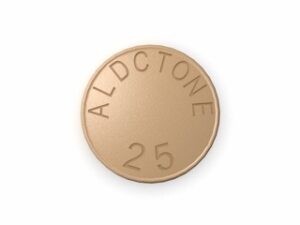
| Available Forms & Strengths | Tablets: 12.5 mg, 25 mg, and 50 mg |
| Manufacturers | Apotex, Mylan, and other approved suppliers |
| Prescription Status | Prescription only (Schedule 4) |
Mechanism of Action
- Simple Explanation: Hydrochlorothiazide (Microzide) works by helping your kidneys remove excess salt and water from your body, which lowers your blood pressure and reduces swelling.
- Specialist Explanation: As a thiazide diuretic, hydrochlorothiazide inhibits sodium reabsorption at the distal convoluted tubules in the nephron. This increases renal excretion of sodium, chloride, and water, leading to reduced plasma volume and decreased peripheral vascular resistance.
Pharmacokinetics
- Absorption: Hydrochlorothiazide is moderately well absorbed from the gastrointestinal tract, with peak plasma concentrations reached in about 1–2.5 hours after oral administration.
- Metabolism: It is not extensively metabolised in the body and remains primarily unchanged.
- Elimination: It is excreted mainly by the kidneys. About 60–70% is eliminated in the urine within 24 hours.
- Duration of Action: The antihypertensive effect usually lasts for 6–12 hours, while the diuretic effect persists for up to 12 hours.
Use in Everyday Life and Best Practices
- Typical Doses:
- Hypertension (high blood pressure): The usual starting dose is 12.5–25 mg once daily. The dose can be adjusted based on your response, but most patients do not require more than 50 mg daily.
- Oedema (fluid retention): 25–100 mg once daily or in divided doses, as directed by your doctor.
- How to Use: Take Microzide at the same time each day. Swallow the tablet with water. Follow your doctor's instructions carefully.
- English Context: Microzide is frequently prescribed together with lifestyle measures, such as adopting a healthy, low-salt diet, regular physical activity, and regular blood pressure checks, as per Australian Heart Foundation guidelines.
Dosing in the Morning vs Evening
- Morning Dosing: Most people take hydrochlorothiazide in the morning to avoid nocturia (waking at night to urinate), as the diuretic effect is most pronounced within the first 6 hours.
- Evening Dosing: Not generally recommended due to increased risk of disturbing nighttime sleep with more frequent urination.
- Tip: Aim to take it at the same time each day. If you forget your dose, take it as soon as you remember unless it is late in the day. Do not double up on doses.
Taking with Food or on an Empty Stomach
- Hydrochlorothiazide can be taken with or without food. In Australia, as part of a balanced diet, taking it with a light meal or after breakfast is common.
- Taking it with food may help to reduce mild stomach upset.
- Try to maintain a diet with consistent salt and potassium intake (consult your doctor if you have any dietary restrictions or are following a specific meal plan, as in some Indigenous diets or vegetarian diets widespread in Australia).
Interaction Warnings
| Item | Interaction | Advice |
| Other Medicines | Increased risk of low potassium with corticosteroids, digoxin, or some anti-arrhythmics; reduced effectiveness with NSAIDs; may increase effect of lithium, anti-diabetics, or blood pressure medicines. | Discuss your full medication list with your doctor or pharmacist before starting. |
| Alcohol | May increase the risk of low blood pressure (dizziness, fainting). | Limit alcohol intake; stand up slowly from sitting or lying down. |
| Other Diuretics or 'Water Tablets' | May cause dehydration, abnormal salts (low potassium or sodium). | Extra caution and closer monitoring are required. |
| Lithium | Hydrochlorothiazide can increase lithium levels in the body. | Serum lithium levels need close monitoring if co-administered. |
| Potassium Supplements | Hydrochlorothiazide may reduce potassium; your doctor might recommend supplements or a high-potassium diet. | Always consult before adding supplements. |
| Food | No significant food interactions, but large changes in salt intake can affect how the medicine works. | Maintain a consistent diet as discussed with your healthcare provider. |
Indications (When Microzide is Used)
| Condition | Official Indication | Off-Label/Other Use |
| Hypertension (high blood pressure) | Yes | -- |
| Oedema due to heart, liver, or kidney disease | Yes | -- |
| Nephrogenic diabetes insipidus | -- | Yes |
| Prevention of kidney stones (calcium-containing) | -- | Yes |
Dosing According to Clinical Indications
| Population | Condition | Recommended Dose |
| Adults | Hypertension | 12.5–25 mg once daily; up to 50 mg max daily if required |
| Adults | Oedema | 25–100 mg daily or in divided doses |
| Paediatrics (6-12 years) | Hypertension/Oedema | 1–2 mg/kg/day in single or divided doses (maximum 37.5 mg/day); use only under specialist supervision |
| Elderly | All indications | Start at the lower end of the dosing range; monitor renal function and electrolyte balance regularly |
Safety Profile / Side Effects
| Frequency | Side Effect | Advice |
| Common (1–10%) | Increased urination, mild dehydration, low potassium, mild headache, fatigue, dizziness, mild gastrointestinal upset | Contact your doctor if bothersome; maintain fluid intake |
| Less Common (0.1–1%) | Muscle cramps, rash, sensitivity to sunlight, increased blood sugars, gout flare-up | Report rash, persistent muscle aches, or unusual fatigue to your GP |
| Rare (<0.1%) | Severe allergic reaction (angioedema), blood disorders, severe electrolyte imbalance (confusion, irregular heartbeat) | Seek immediate medical attention for severe symptoms |
| Warnings | May exacerbate pre-existing kidney or liver disease; may interact with diabetes or gout management | Regular monitoring is required |
Guidelines for Proper Use (Advice from Your Australian Pharmacy or Clinic)
- Always take Microzide exactly as your doctor or pharmacist has advised.
- If you forget a dose, take it as soon as you remember that day. If it is almost time for your next dose, skip the missed dose—do not double up.
- Have your blood pressure and blood tests (especially electrolytes, kidney function) checked as recommended by your GP or nurse.
- Stay hydrated, especially during hot Australian summer months or if you are physically active.
- Contact your doctor if you experience persistent thirst, confusion, severe dizziness, or any unusual symptoms.
- Never share your medication with anyone else.
- Store at room temperature, away from direct heat and moisture.
Alternative Treatment Options (PBS-Listed Medicines in Australia)
- Other Thiazide Diuretics: Indapamide (Natrilix), Chlorthalidone – Similar efficacy; indapamide often preferred in elderly as per 2024 RACGP hypertension guidelines.
- ACE Inhibitors: Enalapril, Perindopril – Good for patients with diabetes or proteinuria; may cause cough.
- Angiotensin Receptor Blockers (ARBs): Irbesartan, Losartan – Well-tolerated, effective for hypertension but more expensive when unsubsidised.
- Calcium Channel Blockers: Amlodipine, Felodipine – Suitable for elderly; risk of ankle swelling.
- Beta Blockers: Metoprolol, Bisoprolol – For co-existing heart conditions; less effective as first-line in older patients unless specific indications.
Many of these alternatives are listed on the Pharmaceutical Benefits Scheme (PBS) in Australia, ensuring affordable access. Speak with your doctor about what is best for your individual health needs.
Legal, Registration and Reimbursement Status in Australia
- Legal Status: Schedule 4 (prescription-only medicine) under the Therapeutic Goods Administration (TGA) regulations.
- Registration: Microzide (and hydrochlorothiazide generics) are registered by the TGA for use in Australia.
- Reimbursement: Hydrochlorothiazide is reimbursable through the Pharmaceutical Benefits Scheme (PBS) for approved indications such as hypertension and oedema management.
- Dispensing only at registered Australian pharmacies with a valid prescription.
Latest Research and Clinical Guidance (2022–2025)
- The Australian Prescriber (2023) and RACGP 2023 Hypertension Guidelines both recommend thiazide diuretics, including hydrochlorothiazide, as an effective first-line treatment for hypertension—especially in combination with ACE inhibitors or ARBs.
- Recent systematic reviews confirm comparable efficacy between hydrochlorothiazide and indapamide, with indapamide offering slightly better outcomes in elderly patients with isolated systolic hypertension.
- Thiazide diuretics remain a key component of combination therapy for resistant hypertension (Blood Pressure Australia, 2024).
- Ensure all patients on long-term thiazides have annual monitoring of electrolytes, renal function, and uric acid (Australian Prescriber, 2024).
- Reference: "Guidelines for the Management of Hypertension in Adults 2024," National Heart Foundation of Australia.
Availability and Delivery in Australia
| Pack Size | Typical Price Range (PBS Price: General/Concession) |
| 30 Tablets (25 mg) | $11.70 (general) / $7.30 (concession) |
| 60 Tablets (25 mg) | $19.00 (general) / $9.60 (concession) |
| City | Home Delivery (Standard) | Express Delivery |
| Sydney | 1–2 business days | Same-day (if ordered before 1 pm) |
| Melbourne | 1–2 business days | Next business day |
| Brisbane | 2–3 business days | 1–2 business days |
| Perth | 3–5 business days | 2–3 business days |
| Adelaide | 2–3 business days | 1–2 business days |
| Regional Areas | 3–7 business days | 2–4 business days |
Frequently Asked Questions (FAQ)
- Can I stop taking Microzide if my blood pressure returns to normal?
No. Blood pressure can rise again if the medication is stopped. Only cease use after consulting your doctor. - What should I do if I miss a dose?
Take it as soon as you remember. If it’s nearly time for your next dose, skip the missed dose—do not double up. - Can I drink alcohol while taking hydrochlorothiazide?
Moderate alcohol is generally safe but may increase side effects like dizziness. Always consult your pharmacist or doctor. - Will I need to change my diet?
You may need to limit salt and consider foods rich in potassium. Discuss this with your healthcare provider for tailored advice. - Is Microzide safe in pregnancy or breastfeeding?
Hydrochlorothiazide is generally not recommended in pregnancy or breastfeeding unless specifically advised by your doctor.
For further information, always consult your pharmacist, doctor, or the Consumer Medicine Information (CMI) leaflet supplied with your medication. Your health and safety are our priority.