
Minipress (Prazosin): Patient Information for Australia
Basic Product Information
| International Nonproprietary Name (INN) | Prazosin |
|---|---|
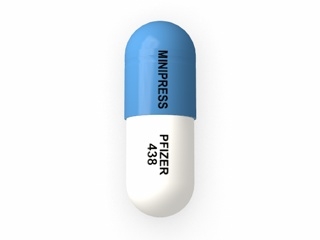
| Australia Brand Names | Minipress, Minipress SR |
| ATC Code | C02CA01 |
| Available Forms & Strengths | Tablets: 1 mg, 2 mg, 5 mg |
| Manufacturers | Pfizer Australia Pty Ltd and others |
| Prescription Status | Prescription only (Schedule 4 medicine) |
Mechanism of Action
Simplified explanation for patients: Minipress works by relaxing and widening blood vessels. This makes it easier for your heart to pump blood around your body, which helps to lower your blood pressure.
Detailed explanation for specialists: Prazosin is a selective, competitive alpha-1 adrenergic receptor antagonist. It inhibits postsynaptic alpha-1 adrenoreceptors in vascular smooth muscle, thus resulting in vasodilation, reduced peripheral vascular resistance, and decreased blood pressure without significantly increasing heart rate.
Pharmacokinetics
- Absorption: Rapidly absorbed after oral administration, with peak plasma concentrations within 2–3 hours.
- Metabolism: Extensively metabolised in the liver.
- Elimination: Cleared mainly via biliary and urinary excretion.
- Duration of action: Approximately 6–10 hours, depending on individual metabolism and dosage.
- Half-life: About 2–4 hours.
Use in Everyday Life and Best Practices
Minipress is most commonly prescribed to lower high blood pressure (hypertension). It may also be used for certain urine flow problems, and, less commonly, for conditions such as post-traumatic stress disorder (PTSD)-related nightmares.
- Always take the medicine exactly as prescribed by your doctor or pharmacist.
- Tablets should be taken whole, with a glass of water.
- Do not stop taking Minipress without first consulting your doctor, even if you feel well.
- To avoid sudden drops in blood pressure (especially after the first dose), take the first dose at bedtime and stay lying down for a few hours.
Dosing in the Morning vs Evening
- First Dose: Often recommended at bedtime to reduce risk of dizziness or fainting.
- Ongoing Doses: Can be taken once or several times daily, based on your doctor’s advice.
- Consistency: Take doses at the same times each day to help maintain steady blood levels.
- Morning dosing: May be convenient, but could cause dizziness—consider sitting or standing up slowly.
- Evening dosing: Especially useful for those prone to “first dose effect” dizziness; consult your doctor about the best timing for you.
Taking with Food or on an Empty Stomach
- Minipress can be taken with or without food.
- Some patients find that taking it with a light meal reduces stomach upset.
- There is no significant effect of typical English or Australian meals on absorption.
- Avoid taking with large, heavy, or greasy meals as these may delay absorption in some cases.
Interaction Warnings
| Item | Type of Interaction | Result & Advice |
|---|---|---|
| Alcohol | Additive lowering of blood pressure | Avoid excessive drinking; dizziness or fainting possible |
| Other antihypertensive drugs | Combined effect | Can cause low blood pressure; dose adjustments may be needed |
| PDE5 inhibitors (e.g. sildenafil, tadalafil) | Increased risk of hypotension | Monitor for dizziness; consult your prescriber |
| NSAIDs (e.g. ibuprofen, naproxen) | May reduce antihypertensive effect | Monitor blood pressure |
| Salt substitutes / supplements | Possible increase in blood pressure | Discuss with your doctor before use |
Indications
| Indication | Status | Notes |
|---|---|---|
| Hypertension (high blood pressure) | Official (TGA approved) | Monotherapy or part of combination therapy |
| Symptomatic relief of urinary obstruction in benign prostatic hyperplasia (BPH) | Official | Adjunct therapy |
| PTSD-related nightmares | Off-label | Evidence-based; not TGA-registered indication |
| Raynaud’s phenomenon, congestive heart failure (refractory cases) | Off-label | Specialist guidance required |
Dosing According to Clinical Indication
| Indication | Adults | Elderly | Paediatric |
|---|---|---|---|
| Hypertension | Start: 0.5 mg 2-3 times daily; Maintenance: 1–5 mg 2–3 times daily | Start low (0.5 mg), increase gradually | Not routinely recommended; Specialist prescribing only |
| BPH symptoms | Start: 0.5 mg twice daily; Adjust to effect (max 2 mg twice daily) | Start low, go slow; monitor for falls | Not applicable |
| PTSD-related nightmares* | Start: 0.5–1 mg at bedtime; may increase to 10 mg as needed | Start at lowest dose | Rare use; specialist only |
*Not a TGA approved indication; for reference only.
Safety Profile / Side Effects
| Common Side Effects | Uncommon/Rare Side Effects | Serious Warnings |
|---|---|---|
|
|
|
Contact your doctor or pharmacist if you experience significant dizziness, fainting, difficulty breathing, or swelling of the face/lips.
Guidelines for Proper Use
- Follow your doctor’s dosing instructions carefully; do not double doses for missed tablets.
- Rise slowly from sitting or lying positions to prevent dizziness (“first dose effect”).
- Remain hydrated, especially in hot weather—a common concern in Australia’s climate.
- Limit alcohol intake until you know how Minipress affects you.
- Check with your pharmacist before taking any new medicines, vitamins, or supplements.
- Keep out of reach of children; store at room temperature, away from moisture and heat.
- Return unused tablets to your local pharmacy for safe disposal.
Alternative Treatment Options
- Other alpha-blockers: Doxazosin, terazosin (also PBS-listed); longer-acting, possibly once-daily dosing. Risk of similar side effects.
- ACE inhibitors/ARBs: Perindopril, ramipril, irbesartan, candesartan; generally first-line for hypertension, may be reimbursed by the PBS.
- Beta-blockers: Metoprolol, atenolol; suitable if other cardiac comorbidities.
- Calcium channel blockers: Amlodipine, felodipine.
- Thiazide diuretics: Hydrochlorothiazide, indapamide; first-line hypertension agents.
- For BPH: Tamsulosin; more selective for urinary symptoms, less effect on blood pressure.
Your doctor will guide you to the best option based on your individual risk profile and medicine tolerance. Most alternatives are available on the Pharmaceutical Benefits Scheme (PBS).
Legal, Registration, and Reimbursement Status in Australia
- Registered with TGA: Yes
- PBS (Pharmaceutical Benefits Scheme): Yes, for hypertension and urinary symptoms of BPH
- Prescription Status: Schedule 4 (S4) prescription medicine—available from an Australian registered pharmacy with a valid script
- Dispensing limits: As per doctor’s prescription; repeats allowed within PBS guidelines
Latest Research and Clinical Guidance (2022–2025)
- 2022–2024 Hypertension Guidelines: The RACGP and updated Australian guidelines support use of prazosin as an adjunct agent, particularly in resistant hypertension or when alpha-blockade is required (e.g., BPH).
- PTSD: Recent studies [BMJ, 2023] show mixed benefit for prazosin in PTSD nightmares; specialist prescribing and ongoing monitoring is recommended.
- Falls risks: New emphasis on “start low, go slow” dosing for older Australians to minimise syncope and hospitalisation risks (NPS MedicineWise review, 2023).
Availability and Delivery
| Pack Size (Tablets) | Indicative Price (AUD) | Standard Delivery Times* |
|---|---|---|
| 30 (1 mg) | $8–11 (with PBS script) | 1–2 days (Sydney/Melbourne/Brisbane) |
| 100 (2 mg) | $16–20 (with PBS script) | 2–3 days (Perth/Adelaide) |
| 100 (5 mg) | $30–35 (with PBS script) | 2–4 days (regional areas) |
*Times for standard shipping from major city-based pharmacies; express and in-store pick-up options available.
Frequently Asked Questions (FAQ)
- Q: How long will I need to take Minipress?
A: Hypertension is often a long-term condition. Continue taking Minipress for as long as your doctor recommends, even if you feel well, as stopping suddenly may raise your blood pressure. - Q: What should I do if I miss a dose?
A: Take it as soon as you remember unless it is almost time for your next dose. Do not double up. If you’re unsure, check with your pharmacist. - Q: Can I take Minipress with my other blood pressure medicines?
A: Yes, but it is important to inform your doctor about all medicines you’re taking to avoid excessive lowering of blood pressure and possible interactions. Your doses may need adjustment. - Q: Does Minipress affect driving or using machines?
A: Dizziness or drowsiness may occur, especially at the start of treatment or after dose changes. Do not drive or operate machinery until you know how Minipress affects you. - Q: Is Minipress safe to take if I am pregnant or breastfeeding?
A: The safety for pregnancy and breastfeeding isn’t well established. Discuss with your doctor about alternative treatments if you are planning pregnancy or are currently pregnant or breastfeeding.