
Adalat (Nifedipine) – Comprehensive Patient Information for Australia
Basic Product Information
| International Non-Proprietary Name (INN) | Nifedipine |
|---|---|
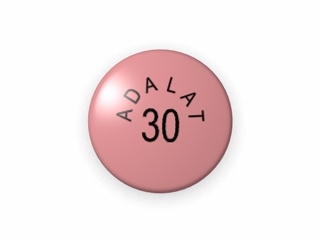
| Brand Names (Australia) | Adalat, Adalat CC, Adalat OROS, Nifedipine Sandoz, Nifedipine Mylan |
| Anatomical Therapeutic Chemical (ATC) Code | C08CA05 |
| Available Forms & Strengths |
|
| Manufacturers | Bayer, Sandoz, Mylan, Alphapharm, Apotex |
| Prescription Status | Prescription Only Medicine (Schedule 4 under Australian Poisons Standard) |
Mechanism of Action
For Patients:
Nifedipine, the active ingredient in Adalat, helps to relax and widen blood vessels. It does this by blocking calcium from entering the muscle cells of your heart and blood vessels. This makes it easier for your heart to pump blood and helps to lower blood pressure.
For Healthcare Professionals: Nifedipine is a dihydropyridine calcium channel blocker (CCB) that inhibits the transmembrane influx of calcium ions into cardiac and vascular smooth muscle. This results in vasodilation of peripheral and coronary arteries while having minimal direct negative inotropic effects.
Pharmacokinetics
- Absorption: Well-absorbed orally. Modified-release forms allow gradual release and absorption, reducing peak-trough variation.
- Metabolism: Extensively metabolised in the liver (CYP3A4), with significant first-pass effect.
- Elimination: Metabolites primarily excreted in urine (≈60–80%), small portion in faeces. Negligible active drug in urine.
- Onset and Duration: Immediate release: onset within 30–60 minutes, duration 4–8 hours. Modified-release: 12–24 hours.
- Half-life: 2–5 hours (immediate release), 6–11 hours (modified-release).
Use in Everyday Life and Best Practices
Nifedipine is typically taken once or twice daily, depending on the formulation. Modified-release versions (e.g., Adalat OROS) are designed for once-daily use to simplify dosing and provide stable blood pressure control over 24 hours. Tablets or capsules must be swallowed whole with water; do not chew, crush, or split them. Take your dose at the same time each day for best results.
- Keep a consistent routine: Taking Adalat at the same time helps maintain steady blood levels and improves effectiveness.
- Monitor blood pressure regularly: Your GP or pharmacist can provide a home BP monitor or check your readings during visits.
- Refills: Plan ahead—Adalat is prescription-only in Australia.
Dosing in the Morning vs Evening
Morning dosing: May help to target higher early morning blood pressure peaks—a risk period for cardiovascular events.
Evening dosing: For some, dosing before bedtime can help smooth night-time blood pressure variations, but may increase risk of night-time hypotension (especially in older adults).
Advice: Follow your doctor’s instructions. Do not change your dose time without consulting your prescriber. Regularity is more important than the exact time of day.
Taking With Food or On an Empty Stomach
Standard practice in Australia: Adalat can be taken with or without food. However, avoid grapefruit or grapefruit juice, as it can increase medicine levels in your blood.
General diet: Take tablets with a glass of water. If you have stomach upset, try taking the medicine after a light meal or snack. There’s no need to modify an English or typical Australian diet (meat, vegetables, bread, dairy) when taking Adalat, except for grapefruit products.
Interaction Warnings
| Category | Interactions and Recommendations |
|---|---|
| Food |
|
| Alcohol | Use with caution - can increase blood pressure-lowering effect, risk of dizziness or fainting |
| Medications |
|
| Herbal Remedies | St John’s Wort may decrease efficacy (CYP3A4 induction) |
Indications
| Type | Use |
|---|---|
| Official (TGA-registered) |
|
| Off-label |
|
Dosing According to Clinical Indication
| Indication | Adult Dose (Australia) | Pediatric Dose | Elderly Dose |
|---|---|---|---|
| Hypertension | Tablets: 10–20 mg twice daily Modified-release: 20–60 mg once daily | Not routinely recommended; specialist only | Start with lowest available dose, titrate gradually |
| Chronic Angina | Tablets: 10–20 mg 2–3 times daily MR: 30–60 mg once daily | Not routinely recommended | Same as adults; start low, monitor closely |
| Raynaud’s Phenomenon (off-label) | MR: 10–30 mg twice daily | Specialist guidance required | Start low, monitor for adverse effects |
| Tocolysis (off-label, hospital) | Specialist, short-term use | Not applicable | Not applicable |
Note: Never change your dose or stop taking nifedipine without speaking to your doctor or pharmacist.
Safety Profile and Side Effects
| Frequency | Side Effects |
|---|---|
| Common (≥1/100) |
|
| Occasional (≥1/1,000 <1/100) |
|
| Rare (<1/1,000) |
|
Warnings: If you feel faint, dizzy, or notice an irregular heartbeat, contact your doctor. If you develop chest pain that is new, worse, or persistent, seek emergency help.
Guidelines for Proper Use – Practical Advice in Australia
- Take Adalat at the same time every day—do not skip doses.
- If you miss a dose, take it as soon as you remember (unless it's close to your next scheduled dose; do not double-dose).
- Check your blood pressure regularly at home or with your pharmacist.
- Avoid grapefruit and grapefruit juice at all times while taking Adalat.
- Stand up slowly from sitting/lying positions to reduce risk of dizziness.
- Inform your GP, dentist, or hospital staff that you take nifedipine before any new treatments or operations.
- Store in a cool, dry place, out of reach of children; do not use after expiry date.
- If you are planning pregnancy, are pregnant, or breastfeeding, speak to your doctor before use.
- Do not drive or operate machinery if you feel dizzy or sleepy.
Alternative Treatment Options
- Amlodipine (Norvasc, Apo-Amlodipine): Once-daily, similar class, fewer interactions with food, gentler onset. May cause swollen ankles.
- Lercanidipine (Zanidip, Lercan): Similar to nifedipine, often better tolerated, once daily.
- Diltiazem (Cardizem, Generic): Non-dihydropyridine, more suited for heart rate control.
- ACE inhibitors (e.g., Ramipril, Enalapril): Often preferred for hypertension, especially in diabetes or heart failure.
- ARBs (e.g., Irbesartan, Valsartan): Similar benefits to ACE inhibitors, fewer cough issues.
- Thiazide Diuretics (e.g., Hydrochlorothiazide, Indapamide): Affordable, effective for many, risk of electrolyte changes.
Choice depends on: side effect profiles, co-existing conditions (heart, kidney), availability, and individual needs. Most alternatives are covered by the Pharmaceutical Benefits Scheme (PBS).
Legal, Registration, and Reimbursement Status in Australia
- Approved and registered by the Therapeutic Goods Administration (TGA).
- Prescription-only (Schedule 4).
- Reimbursed under the PBS for hypertension, angina, and some other cardiovascular indications.
- Not available over-the-counter; pharmacist supply requires a valid Australian prescription.
- Full details on TGA and PBS official websites.
Latest Research and Clinical Guidance (2022–2025)
- Major international guidelines (NICE 2023, ESC/ESH 2023) support dihydropyridine calcium channel blockers like nifedipine as first-line treatments for hypertension and angina pectoris, including for patients ≥65 years.
- Research in Australian adults shows that Adalat MR is generally well-tolerated, with once-daily dosing preferred for blood pressure stability [Australian Prescriber, 2023].
- Recent studies emphasise need for regular blood pressure monitoring, especially when starting or changing doses [BMJ 2024].
- Ongoing trials are evaluating optimal timing (morning vs. evening) to further refine blood pressure control, but current consensus supports consistent timing over specific morning/evening preferences unless clinically indicated.
Availability and Delivery
| Form/Strength | Packs Available | Indicative PBS Price (2024) |
|---|---|---|
| Adalat MR 30 mg | 30, 60 tablets | $10–15 for general patients (with PBS) |
| Adalat OROS 60 mg | 30 tablets | $12–17 (PBS) |
| 10 mg, 20 mg immediate-release | 100 tablets (hospital use, rarely community) | Varies—rarely dispensed community |
| City | Delivery Estimate (from pharmacy, working days) |
|---|---|
| Sydney | Same or next day |
| Melbourne | 1–2 days |
| Brisbane | 1–2 days |
| Perth | 2–4 days |
| Adelaide | 1–2 days |
| Regional or Remote | 2–7 days (varies by location/courier) |
Note: Always present a valid prescription. Most PBS prescriptions for nifedipine allow one month’s supply per script, with repeats as authorised by your doctor.
Frequently Asked Questions (FAQ)
- Can I drink coffee or tea while taking Adalat?
Yes, moderate consumption of caffeine-containing drinks is generally safe. However, avoid grapefruit juice, and monitor for increased side effects if you have more than 2–3 caffeine drinks daily. - What should I do if I forget a dose?
Take the missed dose as soon as you remember, unless it is close to the time of your next dose. Do not double-up. If you frequently forget doses, talk to your pharmacist about reminders. - Can I travel with Adalat?
Yes, take enough tablets for your trip, plus a few days extra. Carry your prescription and original packaging, especially for travel abroad. Follow time zone changes by maintaining roughly 24-hour intervals. - Is it safe in pregnancy or breastfeeding?
Only under close medical supervision. Discuss all risks and benefits with your doctor—some calcium channel blockers are preferred over others depending on your specific situation. - What if I have side effects?
Many side effects are mild and go away as your body adjusts. If side effects are persistent, severe, or worrisome (e.g., swelling of lips/tongue, chest pain, severe dizziness), seek medical advice promptly.
This information is a general guide for Australian patients and does not replace medical advice from your doctor or pharmacist. Always read the Consumer Medicine Information (CMI) leaflet supplied with your prescription and consult your healthcare provider for individual guidance.