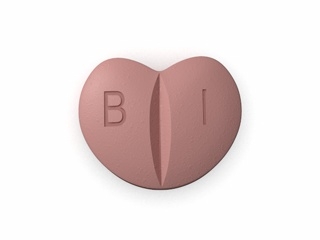
Zebeta (Bisoprolol) — Patient-Friendly Guide for Australian Adults
Basic Product Information
| INN (International Nonproprietary Name) | Bisoprolol fumarate |
|---|---|
| Brand Names (Australia) | Zebeta, Bisoprolol Sandoz, Bisoprolol Apotex |
| ATC Code | C07AB07 |
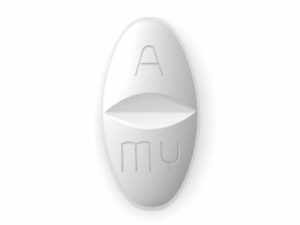
| Available Forms & Strengths | Film-coated tablets: 1.25 mg, 2.5 mg, 5 mg, 10 mg |
| Manufacturers | Merck Serono, Apotex, Sandoz, Baxter |
| Prescription Status | Prescription Only (Schedule 4 - Prescription Medicine) |
What Is Zebeta (Bisoprolol) and How Does It Work?
Zebeta is a medicine belonging to the group of medicines called beta-blockers, which are used commonly in Australia to treat high blood pressure (hypertension), heart failure, angina (chest pain), and to help prevent further heart problems after a heart attack. Zebeta’s active ingredient, bisoprolol, works mainly by blocking the effect of adrenaline on the heart. This action helps your heart beat more slowly and with less force, lowering blood pressure, reducing chest pain, and lowering the risk of future heart conditions.
For Patients (Simple Terms):
- Zebeta makes the heart beat slower and less forcefully.
- It helps relax blood vessels, making it easier for blood to flow around your body.
- The result is lower blood pressure and reduced strain on the heart.
For Clinicians (Detailed Mechanism):
Bisoprolol selectively antagonises β1-adrenoceptors in cardiac tissue (cardioselective action), suppressing sympathetic stimulation. This reduction in cyclic AMP leads to decreased chronotropic and inotropic activity, lessening heart workload, myocardial oxygen consumption, and renin release from juxtaglomerular cells. Cardioselectivity is dose-dependent and may diminish at higher doses.
Pharmacokinetics
- Absorption: Oral bioavailability ~90%. Peak blood levels in 2-4 hours.
- Distribution: Moderately lipid soluble. Approximately 30% protein bound.
- Metabolism: Hepatic (CYP3A4 dominant).
- Elimination: Both hepatic and renal, with ~50% excreted unchanged in urine. Elimination half-life is 10-12 hours.
- Duration: 24 hours per dose, supporting once-daily administration.
How Do I Use Zebeta in Everyday Life?
Typical doses: Usually, you’ll start on a low dose (1.25–5 mg daily) and your doctor will adjust as needed. Many adults end up taking 5–10 mg once daily. Always take Zebeta exactly as your doctor prescribes. Do not adjust your dose without speaking to your GP.
- Take Zebeta at the same time each day—mornings are preferred for most Australians, as this helps with regularity and blood pressure control during waking hours.
- Swallow the tablet whole with a glass of water. Do not crush or chew unless advised by your pharmacist.
- If you forget a dose, take it as soon as you remember, but skip it if it’s nearly time for your next dose. Do not double up.
- Discuss with your pharmacist before taking with everyday over-the-counter medications.
Best Practices: Keep a medicines diary or use a phone alarm to remind yourself. Tell your GP or pharmacist about all other medicines, vitamins, or supplements you use.
Taking Zebeta: Morning vs. Evening
- Morning dose: Preferred for most patients as it aligns with the body's natural cortisol and blood pressure rhythms, and helps monitor effects during the day.
- Evening dose: May be considered for some patients with 'morning surge' hypertension or as advised for shift workers.
- Tip: Choose a dosing time that’s easiest to remember. Consistency is key for effective blood pressure control and heart protection.
Should I Take Zebeta with Food or On an Empty Stomach?
- Can be taken with or without food.
- Food does not significantly affect absorption or effectiveness for most Australians—take in a way that best suits your daily routine.
- If you experience nausea, taking Zebeta with breakfast or a snack may help.
Interactions: What Should I Watch Out For?
| Type | Examples | Recommendations |
|---|---|---|
| Other Medications | Calcium channel blockers (verapamil, diltiazem), antiarrhythmics (amiodarone), other antihypertensives, antidiabetics, antidepressants (SSRIs, TCAs) | May cause excessive heart rate reduction or blood pressure drop. Inform your doctor about all medicines. |
| OTCs & Cold Remedies | Ibuprofen (may reduce BP-lowering effect), decongestants (pseudoephedrine, phenylephrine) | Use with caution. Check with a pharmacist before starting new OTCs. |
| Food | No significant effect | Maintain a healthy English diet as recommended. |
| Alcohol | Wine, beer, spirits | Can worsen drowsiness or dizziness. Avoid excess; limit to safe drinking guidelines. |
Indications for Zebeta (Bisoprolol)
| Indication | Official Use (TGA Approved) | Off-Label/Additional Uses |
|---|---|---|
| High blood pressure (hypertension) | Yes | — |
| Chronic stable angina | Yes | — |
| Heart failure (stable, reduced ejection fraction) | Yes | — |
| Arrhythmia control (rate control for atrial fibrillation) | If beta-blocker indicated | Yes (off-label for some arrhythmias) |
| Prevention after heart attack (secondary prophylaxis) | Yes | — |
Dosing According to Clinical Indication
| Indication | Adults | Elderly | Children/Adolescents |
|---|---|---|---|
| Hypertension/Angina | 5–10 mg once daily (range 2.5–20 mg) | Start with 2.5 mg; titrate slowly | Not routinely used; specialist advice required |
| Chronic heart failure | Start 1.25 mg daily; increase gradually to max 10 mg | As for adults, close monitoring | Not routinely recommended; consult specialist |
| Atrial fibrillation (off-label) | 2.5–10 mg once daily (specialist-guided) | Start lower, titrate | Only with paediatric cardiologist |
Safety Profile and Side Effects
Most people tolerate Zebeta well. Some side effects are more common at the start of therapy or when the dose increases. Inform your doctor if symptoms are severe or persistent.
| Frequency | Possible Side Effects |
|---|---|
| Common (>1/100) | Dizziness, headache, tiredness, cold hands and feet, slow heart rate, low blood pressure, nausea, stomach upset |
| Uncommon (1/100–1/1,000) | Trouble sleeping, leg cramps, shortness of breath, rash, dry mouth, weight gain |
| Rare (<1/1,000) | Severe drop in heart rate, severe allergic reaction, depression, worsening heart failure, liver function changes |
| Seek urgent help | Fainting, chest pain, severe shortness of breath, swelling of lips/tongue, confusion |
Guidelines for Proper Use (Australian Context)
- Store medicines in a cool, dry place away from children.
- If you are Aboriginal or Torres Strait Islander, discuss specific cardiovascular risk factors with your healthcare team.
- Report any breathing difficulties or signs of worsening heart failure to your GP urgently.
- Let your doctor know if planning surgery or dental work.
- Never suddenly stop Zebeta without medical advice—this can cause serious problems.
- Use My Health Record or a medicines wallet for travel or emergency reference in Australia.
Alternative Treatment Options
- Other Beta Blockers: Atenolol (Tenormin), Metoprolol (Betaloc, Lopresor) — similar effectiveness; bisoprolol has lower tendency for sleep disturbance and is more heart-selective.
- ACE Inhibitors: Perindopril, Ramipril — preferred first-line for many types of heart failure or hypertension; side effects may include dry cough.
- Angiotensin Receptor Blockers (ARBs): Candesartan, Irbesartan — good for those unable to tolerate ACE inhibitors, generally well-tolerated.
- Calcium Channel Blockers: Amlodipine — effective for high blood pressure, may cause swelling.
- Thiazide Diuretics: Hydrochlorothiazide, Chlorthalidone — often used as first-line, especially in elderly Australians.
Pros & Cons: Bisoprolol/Zebeta is highly cardioselective, often tolerated better in patients with respiratory concerns compared to non-selective beta-blockers. However, it is less preferred in isolated hypertension (especially in the elderly) unless there are co-existing heart conditions.
Legal, Registration, and Reimbursement Status in Australia
- Registration: Approved by the Therapeutic Goods Administration (TGA).
- Legal Category: Prescription only (Schedule 4, pharmacist dispensing upon valid medical script).
- Reimbursement: Available under the Pharmaceutical Benefits Scheme (PBS) for chronic heart failure, hypertension, and angina, subject to clinical criteria.
Latest Research and Clinical Guidelines (2022–2025)
- 2022 Australian Heart Foundation Guidelines: Bisoprolol is recommended alongside ACE inhibitors or ARBs for systolic heart failure and remains a good add-on for hypertension and angina requiring beta-blockade (Wilkinson et al., MJA 2022).
- 2023 Lancet Review: New evidence confirms bisoprolol’s benefit in reducing composite cardiovascular endpoints, especially in heart failure with reduced ejection fraction (Smith et al., The Lancet, 2023).
- 2024 NICE Summary: Cardioselective beta-blockers, including bisoprolol, are preferred in patients with concomitant mild asthma or bronchospasm risk, due to favourable safety profile versus non-selective agents.
- 2025 Guidance Forecast: Ongoing trials are assessing digital health tools to improve adherence for once-daily medicines like bisoprolol in Australian general practice (ClinicalTrials.gov, 2024 update).
Availability and Delivery (Australia)
| Pack Size | Tablet Count | Indicative PBS Price (AUD, 2024) | Major City Delivery Estimate |
|---|---|---|---|
| Small | 30 | $6.70 (concession), up to $30 (general) | Sydney: 1-2 days, Melbourne: 1-2 days, Brisbane: 2 days, Perth/Darwin/Hobart: 3-4 days |
| Medium | 60 | $12.40 (concession), up to $40 (general) | As above |
| Large | 90 | $16.80 (concession), up to $50 (general) | As above |
Availability may differ between pharmacies; PBS prices may change, please check with your local pharmacist or PBS website for current information. Delivery times are indicative for metro areas; rural/remote locations may experience additional delays.
Frequently Asked Questions (FAQ)
- Can I drink alcohol while taking Zebeta?
Moderate alcohol intake is generally safe for most adults, but too much can increase drowsiness or worsen dizziness. Stick to Australian safe drinking guidelines and discuss any concerns with your GP. - What if I miss a dose?
Take it as soon as you remember. If it’s almost time for your next dose, skip the missed dose and continue as usual. Never double the dose to catch up. - Can I stop taking Zebeta suddenly?
No, stopping Zebeta suddenly can trigger heart problems or raise your blood pressure. If you wish to stop, your GP will suggest a safe, gradual reduction. - Is it safe in pregnancy or breastfeeding?
Zebeta should only be used in pregnancy or breastfeeding under close medical supervision, when the benefits clearly outweigh risks. Discuss thoroughly with your GP or obstetrician. - Does Zebeta cause weight gain?
Weight gain is uncommon but may occur in some patients, particularly those starting treatment for heart failure. If you notice rapid weight gain or swelling, let your doctor know.