
Cozaar (Losartan) – Patient Information for Australia
Basic Product Information
| International Non-Proprietary Name (INN) | Losartan potassium |
|---|---|
| Common Australia Brand Names | Cozaar, Cozaar Comp, Losartan Sandoz, Losartan Aratam |
| ATC Code | C09CA01 |
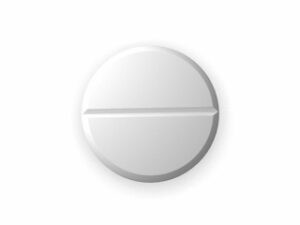
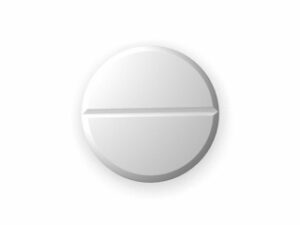
| Available Forms and Strengths | Tablet: 25 mg, 50 mg, 100 mg |
| Manufacturers | Organon (Australia) Pty Ltd, Sandoz Pty Ltd, Apotex Pty Ltd |
| Prescription Status | Prescription only (Schedule 4 - S4) |
Mechanism of Action
In simple terms: Losartan works by relaxing blood vessels. It does this by blocking a substance called angiotensin II, which normally tightens blood vessels. Relaxed blood vessels make it easier for blood to flow, which can lower high blood pressure and reduce strain on the heart.
For specialists: Losartan is a selective angiotensin II receptor type 1 (AT1) antagonist. By interfering with the renin-angiotensin-aldosterone system (RAAS), it inhibits vasoconstriction and aldosterone secretion mediated by angiotensin II, resulting in decreased systemic vascular resistance and reduced blood pressure.
Pharmacokinetics
- Absorption: Rapidly absorbed by mouth, with peak plasma concentration in 1–2 hours. Oral bioavailability is about 33%.
- Metabolism: Metabolised in the liver to an active metabolite (EXP3174) which is more potent at AT1 blockade.
- Elimination: Excreted in urine and bile; half-life of losartan is 2 hours, active metabolite is 6–9 hours.
- Duration of Action: 24 hours after a single dose, allowing once-daily dosing for most patients.
Use in Everyday Life & Best Practices
Losartan is commonly prescribed for people with high blood pressure (hypertension), heart failure, and for kidney protection in those with type 2 diabetes and protein in the urine. It may also be prescribed for people with left ventricular hypertrophy and for stroke prevention in certain cases.
- Typical doses: The standard starting dose for adults is often 50 mg once daily, adjusted by your doctor based on response and condition. Some patients may start with 25 mg, especially if they are elderly or have liver problems. Your doctor may increase the dose up to 100 mg daily, taken as a single dose or divided into two doses.
- How to use: Swallow tablets whole with water, at the same time each day for best effect.
- English context: Blood pressure should be checked regularly, either by a local GP, pharmacy, or home monitor. Lifestyle measures, such as a balanced diet (like the Heart Foundation recommended diets), limiting salt intake, and regular exercise, work alongside medication for best results.
- Missed dose: If you forget a dose, take it as soon as you remember unless it is almost time for your next dose. Do not double-up.
Dosing in the Morning vs Evening
- Morning dosing: Many Australians take their blood pressure medications in the morning with breakfast. Morning use helps fit the dose into your daily routine and takes advantage of pharmacy and clinic opening times for advice or review.
- Evening dosing: There is evidence that, for some people, taking blood pressure tablets at night may improve 24-hour blood pressure control and protect organ health. However, this may not apply to all, and some may experience excessive overnight blood pressure lowering, especially the elderly.
- Best practice: Take at the same time every day. Discuss with your doctor or pharmacist about the best time for your circumstances. Consistency is key.
Taking with Food or on an Empty Stomach
Losartan can be taken with or without food. Meals, including typical English or Western breakfasts, do not significantly affect the drug’s absorption or effectiveness. However, if you experience stomach upset, taking it with food may help. No special dietary restrictions are needed, but following a generally healthy, low-salt diet as recommended by the Heart Foundation is beneficial.
Interaction Warnings
| Type of Interaction | Examples | Recommendation |
|---|---|---|
| Food | Grapefruit, large amounts of potassium-rich foods (bananas, tomatoes, spinach) | Usual food is safe. Avoid excessive potassium if advised. |
| Alcohol | Beer, wine, spirits | May enhance blood pressure lowering effect, causing dizziness – drink in moderation or as advised. |
| Other medications | NSAIDs (ibuprofen, naproxen), lithium, diuretics, ACE inhibitors, potassium supplements, certain anti-inflammatories | Consult your doctor or pharmacist before combining. May require dose adjustment or monitoring. |
| Herbal supplements | St John’s Wort, licorice, other herbal diuretics | Potential to decrease effectiveness–consult a healthcare professional. |
Indications
| Indication | Status | Comment |
|---|---|---|
| Hypertension | Approved | Primary indication; effective in adults and some children |
| Type 2 diabetic nephropathy (proteinuria) | Approved | To slow kidney damage in adults with type 2 diabetes |
| Chronic heart failure | Approved | Second-line if ACE inhibitors not tolerated |
| Stroke prevention in hypertensive patients with left ventricular hypertrophy | Approved | In selected cases |
| Marfan syndrome-related aortic dilation (off-label) | Off-label | Specialist use – not commonly prescribed by GPs |
Dosing According to Clinical Indications
| Population | Indication | Typical Starting Dose | Usual Maintenance Dose | Maximum Dose |
|---|---|---|---|---|
| Adults | Hypertension | 50 mg once daily | 50–100 mg once daily | 100 mg once daily |
| Adults | Type 2 diabetic nephropathy | 50 mg once daily | 100 mg once daily | 100 mg once daily |
| Adults | Heart failure | 12.5 mg once daily | Target 50 mg once daily | As advised by specialist |
| Children (6–18 yrs) | Hypertension | 0.7 mg/kg once daily (max 50 mg) | Adjust to effect | 50 mg once daily |
| Elderly | Any indication | Start lower (25 mg once daily) if frail or with hepatic/renal issues | Individualised | 100 mg once daily (with caution) |
Safety Profile & Side Effects
- Common side effects (may affect 1–10% of people):
- Dizziness, feeling lightheaded (especially when standing up quickly)
- Fatigue, weakness
- Low blood pressure (hypotension)
- High potassium levels (hyperkalaemia)
- Headache
- Cough (less common than with ACE inhibitors)
- Rare side effects (less than 1%):
- Allergic reactions: rash, itching, swelling (seek urgent care if severe)
- Liver enzyme elevations
- Kidney impairment (especially if existing kidney issues or with NSAIDs)
- Muscle pain or cramps
- Warnings: Inform your doctor immediately if you notice:
- Swelling of face, lips, tongue (sign of severe allergic reaction)
- Unexplained muscle weakness or palpitations (could signal high potassium)
- Severe dizziness or fainting
- Yellowing of the skin/eyes (jaundice)
- Pregnancy and breastfeeding: Do not use in pregnancy (especially 2nd/3rd trimester); discuss alternatives with your doctor. Usually not recommended in breastfeeding.
Guidelines for Proper Use – Practical Tips for Australians
- Take your tablet at the same time each day for best effect.
- Monitor your blood pressure regularly at home or at your local pharmacy/GP.
- Stay hydrated, especially during hot Australian summers.
- If you experience dizziness, take caution when standing or driving.
- Avoid salt substitutes containing potassium.
- Consult your GP or pharmacist before taking any new medicines (including over-the-counter and herbal products).
- Keep up with your regular blood tests, as requested by your doctor, to check kidney function and potassium levels.
- Store Cozaar below 30°C, away from moisture and out of reach of children.
Alternative Treatment Options
- ACE inhibitors (e.g., ramipril, perindopril): Also proven to lower blood pressure and protect kidneys. May cause cough in some people.
- Other angiotensin receptor blockers (ARBs): (e.g., candesartan, irbesartan, telmisartan): Similar efficacy, may be preferred if side effects arise.
- Calcium channel blockers: (e.g., amlodipine): Useful alternative, especially in older Australians.
- Thiazide diuretics: (e.g., hydrochlorothiazide): Often used in combination for resistant hypertension.
- Beta-blockers, alpha-blockers: Used in specific cases or with other conditions (such as angina or heart failure).
Pros of Losartan: Lower incidence of cough, proven protective effects on kidneys (especially in diabetes), well-tolerated.
Cons: Not suitable for pregnancy, monitoring required if used with NSAIDs or in renal impairment, may rarely cause elevated potassium levels.
Legal, Registration & Reimbursement Status in Australia
- ARTG (Australian Register of Therapeutic Goods): Registered and approved by the Therapeutic Goods Administration (TGA).
- Prescription requirements: Schedule 4 medicine – prescription required from a registered Australian medical practitioner.
- Reimbursement under PBS: Losartan and its generics are reimbursed under Australia’s Pharmaceutical Benefits Scheme (PBS) for hypertension, diabetic nephropathy, and heart failure. Co-payments may apply, with concessional patients paying less.
- Availability: Can be dispensed at all Australian community pharmacies once prescribed.
Latest Research & Clinical Guidance (2022–2025)
- Australian guidelines (e.g., Hypertension Management by the Heart Foundation, last updated 2023) continue to recommend ARBs, including losartan, as first-line therapy for hypertension in most adults, especially those unable to tolerate ACE inhibitors.
- Recent studies (N Engl J Med, 2022; Lancet Diabetes Endocrinol, 2024) confirm losartan’s continued role in kidney protection for people with type 2 diabetes and proteinuria.
- No new major safety concerns have arisen; ongoing monitoring for rare side effects like angioedema and hyperkalaemia remains standard.
- Guideline for hypertension in the elderly (Australian Journal of General Practice, 2023) highlights the importance of dose adjustment and regular monitoring with ARBs including losartan.
- Specialist use in children and rare disorders (e.g., Marfan syndrome) is rising but remains off-label and under specialist care in Australia.
Availability and Delivery
| Pack Size | Contents / Description | Indicative Price (PBS, AUD) |
|---|---|---|
| 30 tablets | 25 mg, 50 mg, or 100 mg tablets | $12–$22 (general), $7 or less (concession) |
| 90 tablets | 25 mg or 50 mg tablets (less common) | $35–$60 (general), $20 or less (concession) |
| City | Approximate Pharmacy Delivery (if available) | Click & Collect/ In-store |
|---|---|---|
| Sydney, Melbourne, Brisbane | Same day or next day (major pharmacy chains) | Available |
| Perth, Adelaide, Canberra | 1–2 business days | Available |
| Hobart, Darwin, regional areas | 2–5 business days | Available, please check local opening hours |
Delivery times and prices may vary according to your pharmacy’s policy and exact brand dispensed under the PBS.
Frequently Asked Questions (FAQ)
- Can Cozaar (losartan) cause a cough like ACE inhibitors?
No. Losartan does not usually cause a persistent dry cough, which is a known side effect of ACE inhibitors. If you do develop a cough, consult your GP for advice. - How quickly does losartan lower blood pressure?
Most people notice some effect within a week, but the full benefit may not be seen for 3–6 weeks. Regular blood pressure checks are essential. - Is it safe to suddenly stop taking Cozaar?
No, do not stop this medicine without medical advice. Stopping suddenly can lead to uncontrolled blood pressure or worsen your underlying condition. Speak to your doctor if you are thinking of changing medicine. - Can I use salt substitutes with losartan?
Avoid salt substitutes that contain potassium (e.g., “low-sodium” salts), as losartan can increase potassium levels in your blood. Stick to fresh foods and follow your doctor’s dietary advice. - Is losartan safe during pregnancy?
No. Losartan is not recommended during pregnancy, especially after the first trimester, due to risks to the unborn baby. Inform your doctor immediately if you become pregnant while taking this medicine.