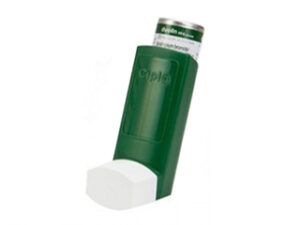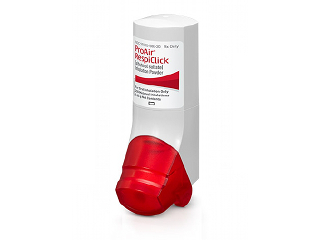
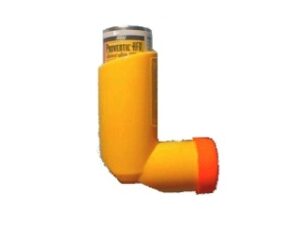
Proair Inhaler (Salbutamol/Albuterol): Patient-friendly Guide for Australia
Basic Product Information
| International Nonproprietary Name (INN) | Salbutamol (also known as Albuterol internationally) |
|---|---|
| Common Australia Brand Names | ProAir, Ventolin, Airomir, Asmol, Salbutamol |
| ATC Code | R03AC02 |
| Available Forms and Strengths | Pressurised Metered-Dose Inhaler (pMDI) – 100 micrograms per actuation; Nebuliser Solution – 2.5mg/2.5mL, 5mg/2.5mL; Oral syrup/tablet (less common, mainly for children) |
| Manufacturers | GlaxoSmithKline (Ventolin), Teva Pharma, Alphapharm, Mylan, Cipla, Aspen, others |
| Prescription Status (Australia) | Schedule 4: Prescription Medicine |
Mechanism of Action
For Patients: Salbutamol is a “reliever” inhaler. It works quickly to relax the muscles lining your airways, making it easier to breathe if you have asthma or Chronic Obstructive Pulmonary Disease (COPD).
For Specialists: Salbutamol is a selective short-acting beta-2 adrenergic receptor agonist (SABA). By stimulating beta-2 receptors in bronchial smooth muscle, it increases cyclic AMP, leading to smooth muscle relaxation and bronchodilation. Its onset of action is rapid (usually within minutes), and it has a short duration of effect.
Pharmacokinetics
- Absorption: Rapidly absorbed through the lungs. Oral bioavailability is lower because it undergoes first-pass metabolism.
- Metabolism: Mainly hepatic (in the liver) via sulphate conjugation.
- Elimination: Excreted primarily in urine, both unchanged and as metabolites.
- Duration of Action: Typically 4–6 hours for inhaled formulations.
Use in Everyday Life & Best Practices (English Context)
Salbutamol is an essential medicine for people with asthma and COPD in Australia. It is used as a “rescue” inhaler to provide immediate relief of symptoms such as breathlessness, chest tightness, or wheeze.
- Typical Doses:
- Adults and children over 6: One or two inhalations (100–200mcg) as needed, up to every 4-6 hours. For exercise-induced symptoms, 1–2 puffs 10–15 minutes before exercise.
- Children under 6: Follow doctor’s advice. Often 1 puff as needed (up to 4 times a day).
- How to Use: Shake well before each use, exhale fully, seal lips around mouthpiece, and depress canister while breathing in deeply. Rinse mouth after use.
- Spacer Devices: Recommended for children and some adults to aid dose delivery and reduce local side effects.
- When Not to Use: Salbutamol should NOT be used as the sole treatment for long-term asthma management—maintenance inhalers are needed for ongoing control.
Dosing in the Morning vs Evening
- Salbutamol is “as needed,” not routinely scheduled.
- Use when symptoms occur—can be used any time, day or night.
- If symptoms occur mainly at night or on waking, discuss with your doctor as your asthma may not be well controlled and adjustment of your regular (preventer) medication may be necessary.
- Regular timing not as relevant as for maintenance medications, but recording use (in a diary or mobile app) helps your doctor assess control.
Taking with Food or on an Empty Stomach (Australia Dietary Habits)
- Inhalers: Food intake does not affect Salbutamol’s effect.
- If using oral liquid/tablet: May take with or without food. If you experience stomach upset, taking with food can help.
- No specific restrictions needed regarding English or Western-style diets.
Interaction Warnings
| Interaction | Recommendation |
|---|---|
| Alcohol | No direct interaction; use caution as excessive alcohol can worsen asthma symptoms. |
| Beta-blockers (e.g., metoprolol, propranolol) | Avoid if possible; may reduce Salbutamol's efficacy. |
| Diuretics and other medications lowering potassium | Risk of low potassium (hypokalaemia) is increased. Monitor potassium levels if on long-term or high-dose Salbutamol. |
| Antidepressants (tricyclics, MAOIs) | Increased risk of cardiovascular effects—use with caution. Provide medication list to your pharmacist/doctor. |
| Other bronchodilators (theophylline, formoterol) | Can have an additive effect; only combine on doctor’s advice. |
| Caffeine (coffee, tea, cola) | May increase risk of jitteriness and heart palpitations at high intake. |
Indications
| Indication | Official/Off-label |
|---|---|
| Relief of bronchospasm in asthma (all age groups) | Official |
| Relief of acute symptoms in Chronic Obstructive Pulmonary Disease (COPD) | Official |
| Prevention of exercise-induced bronchoconstriction | Official |
| Acute severe asthma (hospital/ambulance use) | Official |
| Hyperkalaemia (as adjunct in emergency—hospital use only) | Off-label |
Dosing According to Clinical Indication
| Age Group | Indication | Typical Dose | Maximum Dose (in 24h) |
|---|---|---|---|
| Adults | Acute asthma/COPD relief | 1-2 puffs (100–200mcg) as needed, up to every 4-6 hours | 8-12 puffs (800–1200mcg) |
| Adults | Prevention before exercise | 1-2 puffs 10-15 minutes prior | - |
| Children (6–12 years) | Acute symptoms | 1 puff as needed | 4 puffs/day |
| Children (<6 years, with spacer/neb) | Acute symptoms | 1 puff via spacer/nebuliser (orally as directed) | See paediatrician |
| Elderly | Similar to adult | Start on lowest effective dose; review frequently | Cautious use advised |
Safety Profile & Side Effects
Most people tolerate Salbutamol well. Common side effects are usually mild, but higher or frequent doses increase the risk. Inform your doctor or pharmacist immediately if you experience any new or worrying symptoms.
| Frequency | Possible Side Effects |
|---|---|
| Common (>1%) | Palpitations, tremor/shakiness, headache, nervousness, muscle cramps, dry mouth, throat irritation |
| Occasional | Fast heart rate, dizziness, nausea, sweating, mild chest discomfort |
| Rare (<0.1%) | Serious allergic reaction (rash, swelling, difficulty breathing), low potassium (muscle weakness, irregular heart rhythm), paradoxical bronchospasm (worsening of breathing) |
| Warnings | Excessive use suggests poorly controlled asthma—seek review if needing reliever more than two days/week or waking at night with symptoms. |
Guidelines for Proper Use (Australia Context)
- Keep your inhaler with you at all times, especially during sport, outings, and travel.
- Regularly check the dose counter or shake canister to estimate remaining doses.
- Rinse mouth after use to reduce throat irritation.
- Clean spacer devices and mouthpieces weekly.
- Stay up to date with your Asthma Action Plan. If you need your reliever more than twice a week, arrange a review with your GP.
- Store your inhaler in a cool, dry place (not left in a hot car or bathroom).
- Dispose of expired inhalers at your local pharmacy through the RUM (Return Unwanted Medicines) project.
Alternative Treatment Options (PBS List – Comparative Overview)
- Levosalbutamol (Levalbuterol): Enantiomer of Salbutamol; similar effect profile. Not PBS-listed as a separate reliever in Australia.
- Ipratropium bromide: An anticholinergic inhaler used for COPD, sometimes in combination with beta-agonists.
- Salmeterol, Formoterol (LABAs): Longer-acting, not used for immediate relief, often combined with corticosteroids for maintenance.
- Short-acting muscarinic antagonists (SAMAs): Used in selected COPD patients.
- Comparative overview: Salbutamol remains first-line for rapid symptom relief; alternatives are preferred for specific indications or if side effects occur.
Legal, Registration, and Reimbursement Status in Australia
- Regulator: Registered with the Therapeutic Goods Administration (TGA).
- Prescription Status: Schedule 4 (Prescription Only Medicine).
- Subsidy: Listed on the Pharmaceutical Benefits Scheme (PBS) for asthma and COPD indications.
- National Health policies: Supported by National Asthma Council Australia & Lung Foundation Australia guidelines.
Latest Research & Clinical Guidance (2022–2025)
Recent international and Australian guidance stress that regular (maintenance) inhaler therapy—especially inhaled corticosteroids — is key to optimal asthma control. Reliever inhaler (Salbutamol) use should be minimised; frequent need indicates poor control (GINA 2023, National Asthma Council Australia 2024).
- Avoid over-reliance on Salbutamol; more than two uses per week signals need for a review and possible adjustment of your preventer inhaler (GINA 2023 Strategy).
- Spacer devices remain recommended for children and those with poor inhaler technique.
- No recent evidence has changed the established place of Salbutamol as the reliever of choice for acute symptoms in asthma and COPD.
- References: National Asthma Council Australia, “Australian Asthma Handbook v2.2, 2024” (asthmahandbook.org.au); GINA 2023 Global Strategy; Lung Foundation Australia COPD-X Guidelines.
Availability and Delivery in Australia
| Pack Size | PBS Code | Indicative PBS Subsidised Price* | Private Price Estimate |
|---|---|---|---|
| 200 dose pMDI inhaler | 2558X | AUD $6.60 (concession), $26–$33 (general) | AUD $29–$35 |
| Nebuliser solution 20 x 2.5mL ampoules | 2655Y | AUD $7.30–$30 (PBS varies) | AUD $30–$52 |
- *PBS concessional rate may apply if you hold a Health Care Card, Pension Card, etc. Prices may vary between pharmacies.
Delivery Times (major cities, online pharmacy):
| Location | Standard Delivery | Express/Post Delivery |
|---|---|---|
| Sydney, Melbourne, Brisbane | 1–2 business days | Same day–Next day |
| Perth, Adelaide, Hobart | 2–3 business days | Next business day |
| Darwin, regional areas | 3–7 business days | 1–3 business days |
FAQ – Frequently Asked Questions
- How quickly does Proair (Salbutamol) work?
Most people feel relief within 5 minutes. Full effect usually in 10–15 minutes. - Can I use Salbutamol every day?
Occasional use is safe. If you need it more than twice a week, your asthma or COPD may not be well controlled—see your GP or nurse for review. - What should I do if my inhaler’s not working?
If you have had 4–6 puffs with no relief (or symptoms get worse), seek immediate medical attention. This could be an emergency. - Is Proair safe in pregnancy and breastfeeding?
Yes, when used as directed, it is generally considered safe but always discuss with your doctor. - Can I travel with my inhaler overseas?
Yes. Carry it in your hand luggage with your prescription and Asthma Action Plan. Check destination country’s regulations if needed.
Please consult your doctor, nurse, or pharmacist for personalised advice. This information does not replace professional medical guidance.