Indocin (Indomethacin) – Comprehensive Patient Information for Australia
Basic Product Information
| International Non-proprietary Name (INN) | Indomethacin |
|---|---|
| Local Brand Names (Australia) | Indocin, Indocid, Indohexal, others (brand availability may change) |
| Anatomical Therapeutic Chemical (ATC) Code | M01AB01 |
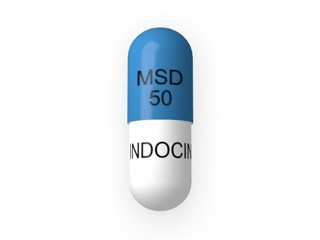
| Available Forms & Strengths | Capsules (25 mg, 50 mg), Suppositories (100 mg), Oral Suspension (varies), and Sustained-release capsules/tablets (75 mg SR) |
| Manufacturers | Multiple (including Aspen Pharma, Hexal Australia, Sigma). |
| Prescription Status | Prescription Only (Schedule 4, S4) |
Mechanism of Action
For Patients: Indocin (indomethacin) belongs to the group of medicines called nonsteroidal anti-inflammatory drugs (NSAIDs). It works by reducing inflammation, swelling, pain, and fever. Indomethacin blocks enzymes (COX-1 and COX-2) that produce chemicals triggering pain and swelling in the body.
For Specialists: Indomethacin is a potent, non-selective inhibitor of prostaglandin synthesis via cyclooxygenase (COX) inhibition, reducing PGE2 and PGI2 levels, thereby exerting anti-inflammatory, analgesic, and antipyretic effects. It has a higher incidence of gastrointestinal and CNS adverse effects compared to some other NSAIDs.
Pharmacokinetics
- Absorption: Well absorbed after oral administration (peak concentration at 2 hours).
- Distribution: Widely distributed; crosses the placenta and appears in breast milk.
- Metabolism: Hepatic (via O-demethylation, N-deacylation).
- Elimination: Mainly by kidney (~60%), remainder via bile/faeces.
- Half-life: 4–5 hours (may extend in elderly or renal impairment).
- Duration of Action: Typically 4–8 hours for immediate-release, up to 24 hours for sustained-release forms.
Use in Everyday Life and Best Practices (Australia)
Indomethacin is prescribed for the relief of pain and inflammation in various conditions, particularly where other NSAIDs are ineffective or unsuitable. It should always be taken exactly as directed by your doctor or pharmacist.
- Typical Adult Starting Dose: 25–50 mg, two to three times daily, adjusted as needed and tolerated.
- Suppositories: Reserved for people unable to take oral medication. Dose as prescribed.
- Sustained-release (SR): Useful for once or twice daily dosing, especially for chronic conditions.
- Children: Rarely used; always under specialist supervision, dose must be calculated by body weight.
- Elderly: Start at the lowest possible dose with careful monitoring, as side effects are more common.
- Chronic Use: Only under ongoing medical supervision due to side effect risk.
Dosing in the Morning vs Evening
Morning: Taking indomethacin in the morning can suit those with daytime symptoms, ensuring minimal impact on sleep, since some people report nervousness or headache as side effects.
Evening: Evening (or nighttime) doses, especially with sustained-release forms, may help those with nighttime pain or morning stiffness, such as in rheumatoid arthritis.
- Maintain a regular dosing schedule to ensure consistent pain relief.
- Avoid taking close to bedtime if it causes sleep problems.
- Spacing doses evenly helps reduce stomach upset and improves effectiveness.
Taking with Food or on an Empty Stomach
Indomethacin can cause stomach irritation or ulcers. It is strongly recommended to take the medicine with food or milk to reduce stomach upset. This aligns with the typical Australian diet which often includes dairy (milk, yoghurt) and meals spaced throughout the day. Avoid taking on an empty stomach unless directed by your doctor.
Some patients may find a light meal or snack helps; avoid excessive alcohol or spicy foods (which can worsen irritation).
Interaction Warnings
| Interaction | Advice |
|---|---|
| Alcohol | Increases risk of stomach bleeding; avoid or limit. |
| Blood thinners (e.g. warfarin, apixaban) | Higher risk of bleeding; pharmacist/doctor must monitor closely. |
| Other NSAIDs (aspirin, ibuprofen) | Do not combine unless specifically advised – increased risk of ulcers, bleeding. |
| ACE inhibitors/ARBs (e.g. perindopril, losartan) | May reduce blood pressure medication effect; monitor kidney function and BP. |
| Diuretics (frusemide, hydrochlorothiazide) | Potential kidney risk; monitor function regularly. |
| Methotrexate | Increases risk of toxicity; only combine under strict specialist care. |
| Lithium | May increase lithium levels to dangerous levels; dose adjustment may be required. |
| SSRIs (antidepressants) | Higher risk of GI bleeding; monitor for symptoms. |
| Foods | Take with meals; avoid grapefruit (rare interactions); maintain consistent diet. |
Always inform your GP or pharmacist of all medicines and supplements you’re taking before starting indomethacin.
Indications (Official and Off-Label Uses)
| Condition | Status | Notes |
|---|---|---|
| Rheumatoid arthritis | Official | Short and long-term use, usually if other NSAIDs fail. |
| Osteoarthritis | Official | Symptom management. |
| Ankylosing spondylitis | Official | For pain and stiffness control. |
| Acute gout attack | Official | First-line for rapid relief of flare-ups. |
| Bursitis, tendinitis | Official | Short-term use in acute inflammation. |
| Patent ductus arteriosus (PDA) in neonates | Official (specialist use) | Hospital setting only. |
| Migraine prevention | Off-label | Specialist supervision; limited evidence. |
| Cluster headaches | Off-label | Specialist supervision. |
Dosing According to Clinical Indications
| Indication | Adults | Paediatrics | Elderly |
|---|---|---|---|
| Rheumatoid arthritis, osteoarthritis | 25–50 mg 2–3 times daily; max 200 mg/day | Specialist only; weight-based dosing | Start 25 mg 1–2x daily, adjust slowly |
| Acute gout flare | 50 mg 2–3 times daily until attack settles | Rare; specialist only | 25 mg 2x daily, reassess tolerance |
| Ankylosing spondylitis | Same as RA/OA | Not routinely recommended | Start at low end, titrate if tolerated |
| PDA in neonates | — | 0.2 mg/kg IV, under specialist care | — |
Safety Profile & Side Effects
Indomethacin, like all medicines, can cause side effects. Tell your doctor or pharmacist if you are concerned or if side effects persist.
| Common Side Effects | Rare Side Effects | Warnings |
|---|---|---|
|
|
|
Long-term use or high doses increase the risk of side effects, especially in older people or those with pre-existing medical conditions.
Guidelines for Proper Use (Australian Context)
- Always take as prescribed; never share your medicine with others.
- Have regular check-ups (blood pressure, kidney and liver tests, as advised by your doctor).
- Use the lowest effective dose for the shortest duration possible.
- Avoid NSAIDs if pregnant, unless directed by your specialist.
- If you miss a dose, take it as soon as you remember unless it is almost time for your next dose (do not double up).
- Discuss all medicines and supplements you take with your pharmacist at each visit.
- Take extra care with driving or operating machinery if you feel dizzy or drowsy.
- Pharmacies in Australia provide free “Return Unwanted Medicines” bins for safe medicine disposal.
Alternative Treatment Options (Australia, PBS-listed Drugs)
- Other NSAIDs: Ibuprofen, naproxen, diclofenac (usually have lower risk of CNS effects, similar gut risk; also PBS reimbursed).
- COX-2 inhibitors: Celecoxib, meloxicam (lower stomach risk, but caution in patients with heart disease).
- Paracetamol: Less effective for inflammation but safer for many patients.
- Colchicine: First-line for acute gout in some patients (PBS reimbursed).
- Corticosteroids: Useful for acute inflammation but more side effects in long-term use.
Your doctor will discuss which option best suits your diagnosis, other conditions, and medicine tolerability.
Legal, Registration, and Reimbursement Status in Australia
- Registered by the Therapeutic Goods Administration (TGA), which ensures safety and efficacy.
- Supplied as a Schedule 4 (“Prescription Only Medicine”) – cannot be bought without a script from a prescriber.
- Many forms and strengths are listed on the Pharmaceutical Benefits Scheme (PBS) for approved indications, which means the government subsidises most costs for eligible prescriptions. Check with your pharmacist for your specific form/condition.
Latest Research / Clinical Guidance (2022–2025)
- 2023 reviews confirm indomethacin remains a mainstay for acute gout in Australia, though care is needed for cardiovascular and gastrointestinal risks (Aust Prescr. 2023;46:159–62).
- Ongoing research into safer NSAID dosing for elderly Australians recommends always starting “low and slow” (Rheumatology Australasia Guidelines 2024).
- Recent TGA updates reinforce not using NSAIDs (including indomethacin) late in pregnancy or in those with advanced kidney or heart disease (Therapeutic Guidelines, eTG Complete, 2024).
- No new evidence for primary prevention of migraine or cluster headaches in Australia, and such use remains strictly “off-label.”
Availability and Delivery in Australia
| Pack Size | Typical Price (PBS/private) | Delivery to: Sydney | Melbourne | Brisbane | Perth |
|---|---|---|---|---|---|
| 25 mg, 30 capsules | PBS $7.30 (concession), ~$15–$22 private | 1–2 business days | 1–2 business days | 2–3 business days | 3–4 business days |
| 50 mg, 20 capsules | PBS $7.30 (concession), ~$20–$27 private | 1–2 days | 1–2 days | 2–3 days | 3–4 days |
| Suppositories (100 mg, 5 pack) | PBS $7.30 (concession), ~$25–$36 private | 1–2 days | 1–2 days | 2–3 days | 3–4 days |
| SR capsules/tablets (75 mg, 30) | PBS $7.30 (concession), ~$28–$40 private | 1–2 days | 1–2 days | 2–3 days | 3–4 days |
Most major pharmacies offer in-store collection, home delivery (urban and regional areas), or pharmacy-to-door courier services for eligible scripts.
FAQ – Common Patient Questions
- Q: How long does indomethacin take to work?
A: Pain relief usually begins within 1–2 hours of taking a dose, with full effect often reached within several days for inflammatory conditions. - Q: Can I drink alcohol while taking indomethacin?
A: It’s not recommended, as it increases the risk of stomach irritation, ulcers, and bleeding. If you do drink, limit intake and discuss with your doctor. - Q: Is indomethacin safe during pregnancy or breastfeeding?
A: No, except under close specialist guidance (and never after 30 weeks of pregnancy). It may affect the foetus and passes into breast milk. - Q: What should I do if I miss a dose?
A: Take it as soon as possible, but skip the missed dose if it’s almost time for your next dose. Never double up. - Q: Are there long-term risks with this medicine?
A: Long-term use can increase risks of stomach ulcers, heart, or kidney problems. Regular monitoring and using the lowest dose for the shortest possible time reduce these risks.
If you have further questions, contact your GP, pharmacist, or the Medications Line (1300 633 424) for advice.