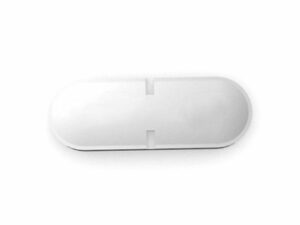

Rheumatrex (Methotrexate): Patient-Friendly Guide for Australia
Basic Product Information
| International Non-proprietary Name (INN) | Methotrexate |
|---|---|
| Australia Brand Names | Rheumatrex, Methoblastin, Trexject, Methotrexate Accord, Methotrexate Sandoz |
| ATC Code | L01BA01 |
| Available Forms & Strengths | Tablets: 2.5 mg, 10 mg Injectable solution (pre-filled syringes and vials): 10 mg/mL, 25 mg/mL (various volumes) |
| Manufacturers (Australia) | Pfizer Australia, Accord Healthcare, Sandoz Australia, Aspen Pharmacare |
| Prescription Status | Prescription Only Medicine (Schedule 4, S4) |
Mechanism of Action
For Patients (Simple Terms):Methotrexate, the active ingredient in Rheumatrex, works by slowing down the body's immune system. This helps reduce inflammation and stops your immune system from attacking healthy tissues (for example, in rheumatoid arthritis). In cancer, methotrexate stops the growth of cancer cells by interfering with their ability to make DNA.
For Healthcare Professionals:Methotrexate is a folic acid antagonist, inhibiting dihydrofolate reductase and hampering DNA, RNA, and protein synthesis. It exerts immunosuppressive and antiproliferative effects, making it suitable for use in various malignancies and autoimmune diseases.
Pharmacokinetics
- Absorption: Oral bioavailability is 60-70% (may decrease with higher doses). Subcutaneous or intramuscular dosing ensures more consistent absorption.
- Distribution: Widely distributed, including into body tissues and body fluids.
- Metabolism: Metabolised partly in the liver; forms polyglutamated derivatives in tissue cells.
- Elimination: Primarily excreted unchanged by the kidneys (urine). Impaired renal function increases toxicity risk.
- Duration of Action: Dosing is typically once weekly due to prolonged tissue activity.
Use in Everyday Life and Best Practices
- Who Takes Methotrexate? Commonly prescribed for adults and children with rheumatoid arthritis, juvenile idiopathic arthritis, psoriasis, certain cancers (leukaemia, breast cancer), and other autoimmune disorders.
- How to Take: Usually taken once a week, either as a single oral dose (tablets) or by injection (under the skin, into a muscle or vein). Never take this medicine daily unless specifically told by your doctor.
- Dose Range: Dosage is different for each person and condition. Always follow your doctor’s instructions exactly.
- Keeping Safe: Attend regular blood tests as recommended to check your blood count, liver, and kidney function.
- Pharmacy Support: Ask your community pharmacist for a weekly medication chart to help prevent mistakes.
Dosing: Morning vs Evening
- Morning Dosing: Taking Methotrexate in the morning may reduce the risk of disturbed sleep caused by side effects such as nausea.
- Evening Dosing: Some patients find that taking the dose in the evening allows them to rest through any mild side effects.
- Best Practice: Take at the same time and day each week. Consistency makes side effects easier to predict and remember; most Australians take their dose after breakfast or lunch, on a weekend.
Taking With Food or On an Empty Stomach
- Methotrexate tablets can be taken with or without food. Taking it with food may help reduce stomach upset or nausea, which is a common side effect, especially for those with a typical English diet rich in fibre and moderate fat.
- Avoid alcohol and excessive caffeine, as these can increase the risk of liver problems.
Always take Methotrexate with a full glass of water. If you experience significant stomach upset, it is safe to take after a meal.
Interaction Warnings
| Substance/Group | Effect | Advice |
|---|---|---|
| Alcohol | Increases risk of liver damage | Avoid alcohol entirely or reduce intake. Discuss safe limits with your doctor. |
| Non-steroidal anti-inflammatory drugs (NSAIDs), e.g. ibuprofen, naproxen | May increase Methotrexate toxicity | Only take under medical supervision |
| Antibiotics: trimethoprim, co-trimoxazole | High risk of bone marrow suppression | Alert healthcare providers if prescribed |
| Folic acid supplements | Reduces some side effects without affecting benefits | Usually recommended; take exactly as directed (often the day after Methotrexate) |
| Vaccines (live attenuated) | Risk of severe infections | Do not receive live vaccines while on Methotrexate |
| Dietary/Foods | No major interactions, but limit alcohol and discuss grapefruit products | Follow a balanced English diet, preferably low-fat and including plenty of fruit/veg |
Indications
| Official Indications | Off-label Uses |
|---|---|
|
|
Dosing According to Clinical Indications
| Condition | Age Group | Typical Starting Dose | Usual Maintenance Dose | Maximum Dose |
|---|---|---|---|---|
| Rheumatoid arthritis | Adults | 7.5–15 mg once weekly | 15–25 mg once weekly | 30 mg/week |
| Psoriasis | Adults | 5–15 mg once weekly | 15–25 mg once weekly | 30 mg/week |
| Juvenile idiopathic arthritis | Children | 10–15 mg/m² weekly (oral/subcutaneous) | As above | As above |
| Leukaemia | Paediatrics/Adults | Doses vary by protocol. Consult specialist paediatric/haematology guidelines. | - | High doses (hospital use only) |
| Elderly | Older adults | Lower dose, start at 5–10 mg weekly | Increase with caution | As above, usually lower tolerated dose |
Safety Profile and Side Effects
Common Side Effects:- Nausea/vomiting
- Loss of appetite
- Mild hair loss
- Tiredness or drowsiness
- Mouth sores
- Shortness of breath, cough, chest pain
- Yellowing of skin or eyes (jaundice), dark urine
- Fever, chills, persistent sore throat
- Easy bruising or unexplained bleeding
- Severe skin rash
- Pregnancy: Methotrexate can cause birth defects—never become pregnant or father a child while taking, and for at least 6 months after stopping. Effective contraception is essential.
- Regular Monitoring: Frequent blood and liver tests are required.
- Vaccines: Avoid “live” vaccines.
- Interaction with sunlight: Use sun protection, as Methotrexate can increase skin sensitivity.
Guidelines for Proper Use (Australia)
- Never take Methotrexate daily for arthritis, psoriasis, or most non-cancer conditions unless explicitly told by your doctor.
- Use a pill box or calendar app to remind yourself of your dose day.
- Have regular reviews with your local GP, rheumatologist, or oncologist.
- Always inform any new doctor or dentist that you are taking Methotrexate.
- Dispose of any unused injectable Methotrexate safely by returning to your community pharmacy.
Australian resource: Visit NPS MedicineWise for more advice.
Alternative Treatment Options
- Leflunomide – also PBS subsidised; lower cancer risk but more liver side effects.
- Sulfasalazine – PBS subsidised for RA; useful for milder cases and less monitoring, but slower onset.
- Biologic agents (etanercept, adalimumab, infliximab, etc.) – effective but more expensive, require hospital approval, increased infection risk.
- Hydroxychloroquine – mild immunosuppressive, low risk of bone marrow issues but eye monitoring needed.
Your doctor will discuss the most suitable option and cost/benefits according to your needs and PBS eligibility.
Legal, Registration, and Reimbursement Status in Australia
- Registered with the Therapeutic Goods Administration (TGA)
- Prescription only (S4, legal requirement for valid PBS or private script)
- Pharmaceutical Benefits Scheme (PBS) reimbursed for approved uses in rheumatoid arthritis, psoriasis, juvenile arthritis, select cancers and certain other conditions
- Not a controlled drug or drug of dependence
- May require authority prescription for some subsidised indications
Latest Research and Clinical Guidance (2022–2025)
- National Institute for Health and Care Excellence (NICE, UK, 2023) and Australian guidelines support Methotrexate as a first-line DMARD for rheumatoid arthritis and severe psoriasis.
- Combination therapy with folic acid (at least 5 mg/week) is recommended to reduce side effects without loss of benefit (J Invest Dermatol 2022).
- Latest studies (NEJM 2023) confirm the long-term safety of weekly oral and subcutaneous Methotrexate at standard doses in autoimmune disease with appropriate monitoring.
- Current position is to use lowest effective dose and regular monitoring for blood, liver, and lung toxicity (Australian Rheumatology Association 2024).
Availability and Delivery (Australia)
| Pack Size | Typical Cost (AUD, PBS price) | Major Cities Delivery (Business Days) |
|---|---|---|
| Tablets 2.5 mg × 30 | $6.80 (PBS co-payment) | Melbourne, Sydney, Brisbane: 1-2 days; Perth, Adelaide, Hobart: 2-3 days |
| Tablets 10 mg × 10-15 | $6.80 | As above |
| Pre-filled pen/syringe (various strengths) | $6.80–$40 (private: $90–$120) | 1-3 days depending on location |
Frequently Asked Questions (FAQ)
- Q: Can I drink alcohol while on Methotrexate?
A: Alcohol should be avoided or strictly limited, as both Methotrexate and alcohol can damage your liver. Discuss your usual intake with your doctor. - Q: Do I take Methotrexate every day?
A: No—Methotrexate is taken once a week for most autoimmune diseases. Daily use is used only in specific cancer protocols under specialist supervision. - Q: What if I forget a dose?
A: Take the missed dose as soon as you remember if it is within two days; otherwise, skip the missed week and resume your normal schedule. Do not double dose. - Q: How soon will I see improvement?
A: For arthritis or psoriasis, it may take 4–12 weeks to notice significant improvement. - Q: Is Methotrexate safe during pregnancy or breastfeeding?
A: No, Methotrexate is harmful to unborn babies and should not be used during pregnancy or breastfeeding. Effective contraception is required for both men and women using Methotrexate.