Mebendazole in Australia: Comprehensive Patient Guide
1. Basic Product Information
| International Nonproprietary Name (INN) | Mebendazole |
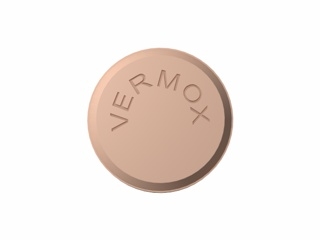
| Australian Brand Names | Combantrin-1, Vermox |
| ATC Code | P02CA01 |
| Available Forms / Strengths | Tablets (100 mg, 500 mg), Chewable tablets, Oral suspension (20 mg/mL) |
| Manufacturers | Johnson & Johnson Pacific, Aspen Pharmacare, Others |
| Prescription Status | Pharmacy Medicine (S2) — Available without prescription for certain indications (e.g., threadworm); Prescription required for other indications |
2. Mechanism of Action
- For patients: Mebendazole works by stopping worms from being able to absorb sugar (glucose), which they need to survive. Without sugar, the worms die and are passed out of your body in a few days.
- For healthcare professionals: Mebendazole selectively inhibits the synthesis of microtubules in helminths, blocking glucose uptake and depleting glycogen stores, resulting in energy depletion and death of the parasite.
3. Pharmacokinetics
- Absorption: Poorly absorbed from the gastrointestinal tract (less than 10% bioavailability). Higher absorption with fatty meals.
- Metabolism: Extensively metabolised in the liver to inactive metabolites.
- Elimination: Mainly excreted via faeces (unchanged); small amounts via urine.
- Duration of Action: Half-life is 2.5–5.5 hours; therapeutic effect persists due to local action in the gut.
4. Use in Everyday Life and Best Practices
Mebendazole is widely used in Australia for treating common intestinal worm infections, such as threadworms (pinworms), roundworms, whipworms, and hookworms. It is available over the counter for threadworm treatment but may require a prescription for other conditions.
- Standard adult dose for threadworm: 100 mg single dose, repeat after 2–4 weeks if reinfection is likely.
- For other helminth infections: 100 mg twice daily for 3 days. Always follow your doctor's advice.
- Children: Safe for children over 2 years. Under 2: consult your doctor.
- Whole family treatment: Often, all household members are advised to take a dose at the same time to prevent reinfection.
- General advice: Wash hands and household surfaces to prevent reinfection; wash bedding and clothes regularly during treatment.
5. Dosing: Morning vs Evening
- Morning use: May suit families taking medication together and ensures worm expulsion during daytime.
- Evening use: Convenient for young children (e.g., before bed). If prescribed twice daily, take doses 12 hours apart.
- Tip: Choose a routine that helps you remember your dose; consistency is key for effectiveness.
6. Taking with Food or on an Empty Stomach
- Mebendazole can be taken with or without food.
- A fatty meal (with butter, eggs, or cheese) may increase absorption, which can help if treating certain types of worms, but is not usually required for threadworm treatment.
- For most Australians, simply take it at a convenient mealtime with a glass of water.
7. Interaction Warnings
| Interaction | Advice |
| Food | No major issues; high-fat foods may increase absorption. |
| Alcohol | No known interaction, but avoid alcohol if you have liver problems. |
| Other Medicines | May interact with metronidazole (risk of severe skin reactions), cimetidine (may increase levels), carbamazepine/phenytoin (may reduce effectiveness). |
| Pregnancy | Avoid in first trimester unless directed by your doctor. |
| Breastfeeding | Considered safe, but seek medical advice prior to use. |
8. Indications
| Indication | Regulatory status | Notes |
| Threadworm (Enterobiasis) | Approved | First-line treatment |
| Roundworm (Ascariasis) | Approved | Doctor's prescription usually required |
| Whipworm (Trichuriasis) | Approved | Specialist recommendation may be needed |
| Hookworm (Ancylostomiasis) | Approved | Prescription required |
| Off-label: Hydatid disease (Echinococcosis), Strongyloidiasis | Off-label/Unapproved | Specialist advice only |
9. Dosing According to Clinical Indications
| Indication | Adults & Children ≥2 years | Children <2 years | Elderly |
| Threadworm | 100 mg once, repeat after 2–4 weeks | Consult doctor | Same as adult (monitor comorbidities) |
| Roundworm, Whipworm, Hookworm | 100 mg twice daily for 3 days | Consult doctor | Same as adult (caution in frail elderly) |
| Multiple infections / Heavier infestations | Specialist regimen, as directed | Specialist advice needed | Specialist advice needed |
10. Safety Profile & Side Effects
- Very common and mild: Stomach pain or discomfort, diarrhoea, passing worms in stool.
- Common: Headache, dizziness, nausea, rash.
- Rare (see your doctor): Allergic reactions (swelling, severe rash, difficulty breathing), severe skin reactions (Stevens-Johnson syndrome), bone marrow suppression (very rare).
- Warnings: Avoid in first trimester of pregnancy. Caution in people with liver disease.
11. Guidelines for Proper Use
- Chew chewable tablets thoroughly (may mix with small food portions for children).
- Wash hands frequently, especially after using the toilet and before eating.
- Trim children's nails and avoid nail-biting.
- Change bed linen, underwear, and nightwear daily during treatment period.
- Report any severe or unusual reactions to your pharmacist or doctor.
- Consult a doctor if symptoms persist beyond a few weeks, or for recurrent infections.
- Inform your doctor about all medications and supplements you are taking.
12. Alternative Treatment Options
- Pyrantel (Combantrin) – Also available OTC, effective for threadworm and roundworm. May cause mild aches; not suitable for all types of worms.
- Albendazole – Prescription only, broader spectrum. Comparable efficacy, often used for more serious invasive worm infections; more potential interactions.
- Non-drug options – Strict hygiene and cleaning practices, especially in school-aged children. Not as effective alone as medication.
13. Legal, Registration & Reimbursement Status in Australia
- Registered with the Therapeutic Goods Administration (TGA).
- Classified as a Schedule 2 (Pharmacy Medicine) for threadworm; Schedule 4 (Prescription Only) for other conditions.
- Some states allow pharmacists to supply for other indications under specific protocol.
- Generally not subsidised through the Pharmaceutical Benefits Scheme (PBS) for common infestations.
- Check with your local pharmacy regarding availability in your state or territory.
14. Latest Research & Clinical Guidance (2022–2025)
- National and international guidelines (Therapeutic Guidelines Australia, WHO 2023) support mebendazole or albendazole as first-line therapies for intestinal nematode infections.
- Ongoing surveillance in Australia indicates threadworm is still the most common childhood worm; single-dose mebendazole remains highly effective (Med J Aust 2024, Therapeutic Guidelines 2023).
- Resistance in the community is rare, but re-infection rates high in childcare and schools.
- Recent trials confirm safety in most age groups, though insufficient data for use in infants <2 years; off-label use only when strictly indicated.
- Specialist consultation is recommended for complex or persistent infections, or in immunocompromised patients.
15. Availability & Delivery
- Pack sizes: 2, 4, or 6 tablets per box; oral suspension 30 mL.
- Indicative retail price: AUD 6–15 per pack (may vary by pharmacy and location).
- Available from most community pharmacies and online within Australia.
| Major City | Typical Delivery Time (click & collect / express post) |
| Sydney | Same day / next business day |
| Melbourne | Same day / next business day |
| Brisbane | Next business day |
| Perth | 1–2 business days |
| Adelaide | Next business day |
| Hobart | 2–3 business days |
| Darwin | 2–4 business days |
| Regional/rural | 2–5 business days |
16. Frequently Asked Questions
- Can I give mebendazole to children under 2 years old?
No, unless specifically instructed by your doctor. Safety for infants has not been well established. - Do I need a prescription for mebendazole in Australia?
No for threadworm treatment; yes for most other types of worm infections. Ask your pharmacist for guidance. - Is one dose enough to cure threadworm?
Usually, yes, but reinfection is common. A repeat dose in 2–4 weeks is often recommended. - Can mebendazole be taken if I am pregnant or breastfeeding?
Avoid in the first trimester of pregnancy. It is generally considered safe while breastfeeding, but speak to your doctor or pharmacist first. - What should I do if I miss a dose?
For single-dose therapy, take it as soon as you remember. For multi-day regimens, take the missed dose as soon as possible, then continue as usual. Do not double the doses.