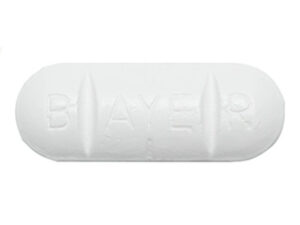
Albenza (Albendazole) - Comprehensive Patient Information
Basic Product Information
| International Nonproprietary Name (INN) | Albendazole |
|---|---|
| Australia Brand Names | Albenza, Zentel (A well-known local Australian brand) |
| ATC Code | P02CA03 |
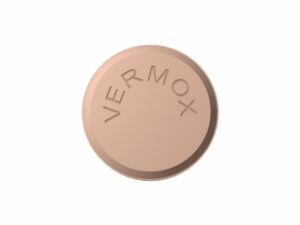
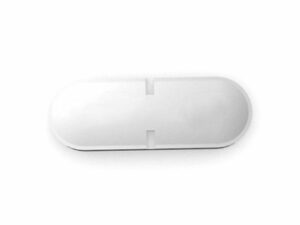
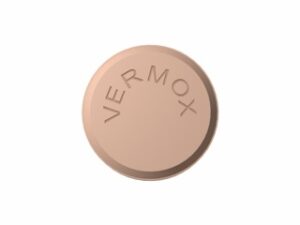
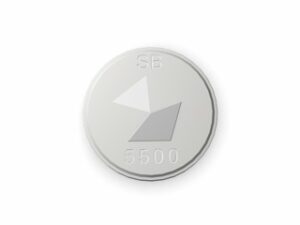
| Available Forms and Strengths | Tablets (200 mg, 400 mg), Oral suspension (200 mg/5 mL) |
| Manufacturers | GlaxoSmithKline (Zentel), various generic manufacturers |
| Prescription Status | Prescription Only Medicine (Schedule 4, Rx Required in Australia) |
Mechanism of Action
In simple terms: Albendazole is an antiparasitic medicine. It works by stopping parasites from absorbing glucose (sugar), which they need to survive. This weakens and eventually kills the worms.
For specialists: Albendazole binds to the ß-tubulin of susceptible parasites, inhibiting the polymerisation of tubulin into microtubules. This alters cellular structure, disrupts essential cellular processes (including the uptake of glucose), and ultimately leads to energy depletion and death of the parasite.
Pharmacokinetics
- Absorption: Poorly absorbed from the gastrointestinal tract (approx. 5%), but increased dramatically when taken with fatty food.
- Metabolism: Rapid first-pass hepatic metabolism to active metabolite albendazole sulphoxide.
- Elimination: Primarily excreted via urine (<1% as unchanged drug), with some elimination through faeces.
- Duration of Action: Half-life of albendazole sulphoxide is approximately 8–12 hours in adults.
Use in Everyday Life and Best Practices (Australia Context)
Albendazole is prescribed for the treatment of a wide range of parasitic worm infections, common in tropical regions, rural Australia, and among travellers from endemic countries. It is also used for some less common conditions under specialist supervision, such as neurocysticercosis or echinococcosis.
Typical dosage: The dose and length of treatment depend on the infection and your doctor's advice. Always follow your prescribing doctor’s instructions or those on your Australian pharmacy label.
How to use: Swallow the tablet whole, with water. If you have trouble swallowing, some brands (such as Zentel oral suspension) offer a liquid formulation. The dose is commonly a single tablet (400 mg) as a one-off, but longer courses may be necessary for certain infections.
- For best results, complete the full course, even if symptoms resolve
- Take at the same time each day when prescribed for multiple days
Dosing: Morning vs Evening
- There is no strict requirement to take albendazole in the morning or evening; the key is consistency.
- Some patients prefer to take it with breakfast (helps remind them and also improves absorption when taken with food).
- If prescribed multiple doses daily, spread them evenly and follow your doctor’s instructions.
- Avoid missing doses; set reminders if necessary.
Taking with Food or on an Empty Stomach
- With fatty meals: Taking albendazole with a meal that contains moderate fat increases absorption and effectiveness.
- On an empty stomach: Less is absorbed; may be instructed for localised gastrointestinal infections to reduce systemic exposure.
- Australia dietary habits: Typical breakfast, lunch, or dinner containing dairy, eggs, avocado, or lean meats are suitable choices for taking albendazole.
- Follow your doctor’s specific instructions for your infection type.
Interaction Warnings
| Substance/Medicine | Interaction | Advice |
|---|---|---|
| Food (fatty meals) | Increases absorption and blood levels | Recommended to take with a meal unless otherwise directed |
| Grapefruit juice | May further increase blood levels of albendazole metabolite | Limit grapefruit products during treatment |
| Alcohol | No significant interaction, but best avoided. Alcohol may exacerbate some side effects (nausea, dizziness) | Avoid alcohol with active infection or if unwell |
| Anti-epileptic medicines (e.g. phenytoin, carbamazepine) | May decrease albendazole levels, reducing efficacy | Inform your doctor; dosage adjustment may be necessary |
| Cimetidine, praziquantel, dexamethasone | Can increase albendazole metabolite levels | Your doctor may monitor for increased side effects |
| Warfarin | May potentiate anticoagulant effect, risk of bleeding | INR monitoring and possible dosage adjustment |
Indications (Official and Off-label)
| Indication | Status |
|---|---|
| Hydatid disease (Echinococcosis) | Official / TGA Approved |
| Neurocysticercosis (pork tapeworm infection) | Official / TGA Approved |
| Soil-transmitted helminthic infections (e.g. hookworm, roundworm, whipworm) | Official / TGA Approved |
| Strongyloidiasis | Official / TGA Approved |
| Pinworm (Enterobiasis) | Official / TGA Approved |
| Giardiasis (protozoan infection) | Off-label |
| Other parasitoses (e.g. trichinosis, liver flukes) | Off-label / Specialist use |
Dosing According to Clinical Indication
| Condition | Adults | Children (>2 years) | Elderly |
|---|---|---|---|
| Common worms (pinworm, roundworm, hookworm, whipworm) | 400 mg single dose | 400 mg single dose | As for adults; monitor more closely for liver function |
| Strongyloidiasis, Tapeworms | 400 mg once daily for 3 days | 400 mg once daily for 3 days | As for adults; consider comorbidities |
| Hydatid disease | 400 mg twice daily for 28 days (multiple cycles, specialist supervision) | 15 mg/kg/day (max 800 mg/day) divided into two doses, for 28 days | As for adults; adjust as per renal/hepatic status |
| Neurocysticercosis | 400 mg twice daily for 8–30 days (as directed) | Dosing as per weight and protocol | As for adults; with monitoring |
Safety Profile and Side Effects
| Frequency | Side Effect(s) |
|---|---|
| Common | Nausea, abdominal pain, diarrhoea, headache, dizziness, mild fever |
| Occasional | Rash, vomiting, flatulence, raised liver enzymes (usually temporary) |
| Rare/Serious | Severe allergic reactions (swelling, difficulty breathing, hives), blood disorders (agranulocytosis, pancytopenia), severe liver injury, Stevens-Johnson syndrome |
- Tell your healthcare professional immediately if you experience yellowing of the skin/eyes, unexplained bruising, or persistent sore throat.
- Liver function or blood tests may be performed during longer (>7–14 day) treatment courses.
Guidelines for Proper Use (Advice for Australian Patients)
- Take exactly as prescribed. Do not share with others.
- For single-dose treatments, repeat after 2–3 weeks if reinfection is likely (e.g. pinworm) – consult your GP or pharmacist.
- Wash your hands regularly—especially after using the toilet and before preparing food—to prevent reinfection.
- Household members may also require treatment for some worms—ask your doctor or pharmacist.
- Keep albendazole out of sight and reach of children.
- Do not use past the expiry date. Store at room temperature, away from moisture and sunlight.
- If you become pregnant, inform your doctor immediately; albendazole is generally not recommended in pregnancy unless essential.
Alternative Treatment Options (PBS-reimbursed alternatives)
- Mebendazole (common Australian first-line; cheaper, also single-dose; fewer drug interactions; not effective for all species)
- Ivermectin (especially for strongyloidiasis and scabies; may be PBS-reimbursed for some indications)
- Praziquantel (for tapeworms and schistosomiasis; specialist recommendation)
- Pyrantel embonate (available over the counter for pinworms; less broad spectrum than albendazole)
Comparative overview: Albendazole has a broad spectrum of activity. Mebendazole and pyrantel are suitable for many common worms, but albendazole is preferred for tissue-invading parasites and more complex infections (like hydatid cysts). Ivermectin is preferred in some settings, including mass treatment programs. Choice depends on worm species, patient factors, and availability.
Legal, Registration, and Reimbursement Status in Australia
- Legal classification: Schedule 4 prescription-only medicine (Rx) in Australia — not available without a script.
- Registration/Regulatory body: Registered and regulated by the Therapeutic Goods Administration (TGA).
- Reimbursement: Some albendazole indications (e.g. hydatid disease, neurocysticercosis) are covered under the Pharmaceutical Benefits Scheme (PBS); check with your prescriber or pharmacist for details.
- Prescription requirements: Only available with a GP or specialist prescription. Screening and follow-up are usually required for complex indications.
Latest Research and Clinical Guidelines (2022–2025)
- Recent Australian guidelines (Therapeutic Guidelines: Antibiotic, 2023) continue to recommend albendazole as a first-line option for many intestinal and tissue helminth infections.
- Global and regional WHO recommendations (2023) endorse single- or short-course albendazole for preventive chemotherapy in school-aged children and high-risk groups.
- Emerging resistance to some anthelmintics has not been a major issue in Australia, although new combination regimens and monitoring are under discussion (Lancet Infect Dis. 2024; WHO technical report 2023).
- High-dose, extended-course albendazole use remains specialist-only due to risk of hepatotoxicity and haematologic adverse effects (see TGA safety bulletins 2022–2025).
References:
- Therapeutic Guidelines (Antibiotic), v18, 2023, Melbourne, Australia
- The Lancet Infectious Diseases, 2024
- WHO Technical Report Series, 2023
- TGA Consumer Medicine Information (Albendazole), 2024
Availability and Delivery
| Pack Size | Formulation | Indicative PBS Price (A$) |
|---|---|---|
| 2 tablets | 400 mg tablet | $13–$25 (with script) |
| 10 tablets | 400 mg tablet | $47–$74 |
| 1 bottle (10 mL) | 200 mg/5 mL oral suspension | $23 (generic brands) |
| Major City | Estimated Delivery (Australian pharmacy networks) |
|---|---|
| Sydney | 1–2 business days (in stock), same day if urgent (metro) |
| Melbourne | 1–2 business days |
| Brisbane | 1–2 business days |
| Perth | 2–4 business days (allow extra for rural WA) |
| Adelaide | 1–3 business days |
| Regional and Remote | 2–7 business days (subject to availability and Australia Post services) |
Frequently Asked Questions (FAQ)
1. Is albendazole safe for children?
Yes, albendazole is commonly prescribed for children over the age of 2 for various worm infections. The dosing may be weight-based, and your paediatrician or pharmacist will advise on the correct dose.
2. Can I take albendazole if I am pregnant or breastfeeding?
Albendazole is generally not recommended in pregnancy, especially in the first trimester, unless the benefit outweighs the risk. Let your doctor know if you are, or may be, pregnant. Small amounts pass into breastmilk; discuss risks and benefits with your GP if you are breastfeeding.
3. What should I do if I miss a dose?
Take the missed dose as soon as you remember, unless it is almost time for your next dose. Do not double up doses. For single-dose treatments, minor delays are not usually serious but try to avoid missing the window for follow-up if a second dose is required.
4. Can I drink alcohol while taking albendazole?
It is best to avoid alcohol while taking albendazole, especially during prolonged or high-dose courses, as alcohol can worsen some side effects and impair your recovery.
5. How do I prevent re-infection?
Practice good hygiene: wash hands thoroughly, keep fingernails trimmed, avoid sharing towels or bedding, clean frequently touched surfaces, and treat all household members if your doctor recommends.