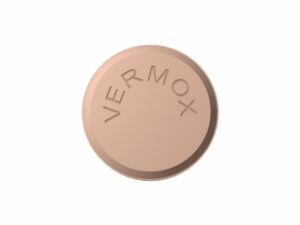
Biltricide (Praziquantel) – Patient Information for Australia
Basic Product Information
| International Non-Proprietary Name (INN): | Praziquantel |
|---|---|
| Australia Brand Names: | Biltricide® |
| Anatomical Therapeutic Chemical (ATC) Code: | P02BA01 |
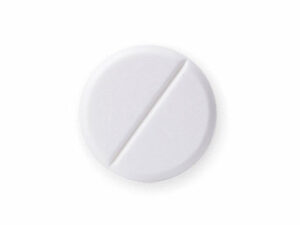
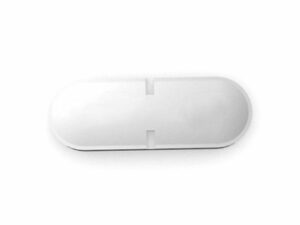
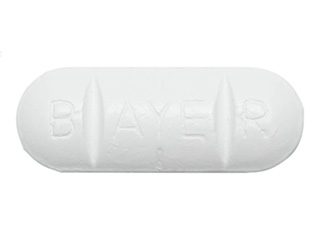
| Available Forms & Strengths: | 600 mg film-coated tablets |
| Manufacturers: | Bayer Australia Ltd; Various generic suppliers |
| Prescription Status: | S4 – Prescription Only Medicine (POM) in Australia |
Mechanism of Action
For patients: Praziquantel works by damaging the outer surface of certain types of parasites (such as tapeworms and flukes), making them unable to survive and allowing your body to remove them naturally. It treats infections caused by these parasites in the intestines, liver, blood, or other organs.
For healthcare specialists: Praziquantel increases parasite cell membrane permeability to calcium ions, causing rapid contraction, paralysis, and death of susceptible trematodes and cestodes.
Pharmacokinetics
- Absorption: Rapidly absorbed after oral administration. Peak plasma concentrations reached within 1–3 hours.
- Metabolism: Extensively metabolised by the liver (CYP3A4 pathway) into inactive metabolites.
- Elimination: Clearance is predominantly renal, mainly as metabolites. About 70% is excreted within 24 hours.
- Duration of Action: Half-life is approximately 1–1.5 hours in adults.
Use in Everyday Life & Best Practices
Biltricide is prescribed for the treatment of infections caused by sensitive tapeworms (cestodes) and flukes (trematodes), including Schistosoma (blood flukes) and Liver flukes. Your doctor will decide the exact dose and duration based on your infection type and body weight.
How to take Biltricide:
- Take the tablets whole with a full glass of water. Do not chew or crush unless directed by your doctor or pharmacist.
- Doses may be taken in divided portions throughout the day (often three times in one day).
- Always follow the instructions provided by your health professional.
- If you miss a dose, take it as soon as you remember. If it is nearly time for your next dose, skip the missed dose—do not double up.
Considerations for the English Context
Biltricide is not used as a preventative but only for confirmed or strongly suspected parasitic infections. If you have travelled, work with animals, or live in areas with higher risk for infection, inform your healthcare provider.
Dosing in the Morning vs Evening
- Morning: Taking Biltricide early can allow you to manage any mild side effects throughout the day and helps maintain a consistent routine.
- Evening: Some may prefer evening dosing, especially if drowsiness or tiredness is experienced as a side effect.
- Tip: Try to take Biltricide at the same time each day, as prescribed, for best effect.
Taking with Food or on an Empty Stomach
With food: Taking Biltricide with a meal—in particular, a moderate-fat English diet—significantly improves absorption. A typical Australian meal such as a sandwich with cheese, an egg, or avocado on toast is suitable.
Do not take on an empty stomach. If you have nausea, try eating a small snack with the medicine.
Interaction Warnings
| Interacting Substance/Category | Recommendation & Risk |
|---|---|
| Grapefruit Juice | May increase praziquantel levels, possibly leading to side effects. Avoid simultaneous intake. |
| Alcohol | May worsen drowsiness and impair judgement. Limit or avoid during treatment. |
| Antiepileptic drugs (e.g., phenytoin, carbamazepine) | Can reduce effectiveness of praziquantel. Tell your doctor if you use these medications. |
| CYP3A4 inhibitors (e.g., some antifungals like ketoconazole) | Can increase praziquantel levels. Dose adjustment may be necessary. |
| CYP3A4 inducers (e.g., rifampicin, St John’s Wort) | Can reduce praziquantel effectiveness. Tell your doctor about all medicines and supplements. |
| Other anthelmintics (e.g., albendazole) | Generally safe but use only as directed by your clinician. |
Official & Off-Label Indications
| Indication | Official (TGA) | Off-label/Supported by Evidence |
|---|---|---|
| Schistosomiasis (various species) | ✔ | — |
| Liver flukes (Clonorchis, Opisthorchis) | ✔ | — |
| Tapeworms (e.g., Taenia, Diphyllobothrium) | ✔ | — |
| Neurocysticercosis (pork tapeworm cysts in brain) | — | ✔ (specialist use) |
| Other parasitic infestations | — | May be considered on advice of infectious diseases specialist |
Dosing According to Clinical Indications
| Indication | Adults (≥18 yrs) | Paediatric (≥4 yrs) | Elderly |
|---|---|---|---|
| Schistosomiasis (Schistosoma haematobium, mansoni) | 40 mg/kg once (may divide in two doses 4–6 hrs apart) | Same as adults (≥4 years old) | Same as adults; monitor kidney/liver function |
| Liver fluke infection | 25 mg/kg, 3 times in 1 day (total 75 mg/kg) | Same as adults (≥4 years old) | Same as adults; monitor closely |
| Tapeworm infection | 5-10 mg/kg single dose (species dependent) | Same as adults (≥4 years old) | Same as adults |
| Neurocysticercosis | 50–75 mg/kg/day divided over 2–3 doses for up to 14 days (specialist indication) | By specialist recommendation | By specialist recommendation |
Note: Always use the dose and regimen as directed by your doctor.
Safety Profile and Side Effects
| Common Side Effects | Uncommon/Rare Side Effects | Warnings & Precautions |
|---|---|---|
|
|
|
Guidelines for Proper Use (Advice from Australian Pharmacists & Clinics)
- Take as prescribed, ensuring the complete course is finished, even if you feel better after the first doses.
- If you vomit within 1 hour of taking a dose, contact your pharmacist or doctor as you may need to repeat the dose.
- Keep your tablets at room temperature, away from humidity and sunlight.
- Do not share your medicine with others, even if their symptoms appear similar.
- Inform your pharmacist about all other medications and supplements you use.
- If pregnant or breastfeeding, use only after discussing with your doctor.
- If you experience severe allergic symptoms (difficulty breathing, facial swelling, rash), seek immediate medical attention.
Alternative Treatment Options
- Albendazole: Sometimes substituted or combined (especially for neurocysticercosis). Pros: effective for broader range of parasites; Cons: may require a longer course, can affect liver function.
- Mebendazole: Used primarily for intestinal worms. Pros: well-tolerated for pinworm, whipworm, roundworm; Cons: less effective for schistosomiasis and liver flukes.
- Nitazoxanide: Occasional use for specific Giardia or Cryptosporidium infections. Pros: alternative for resistant cases; Cons: limited to certain indications, cost issues.
- Reimbursement: Some anthelmintics are subsidised under the PBS in Australia; always verify with your GP or pharmacist for up-to-date reimbursement status.
Legal, Registration, and Reimbursement Status in Australia
- Approval & Oversight: Regulated by the Therapeutic Goods Administration (TGA), listed as an S4 Prescription Only Medicine.
- Reimbursement: Biltricide is generally not covered under the Pharmaceutical Benefits Scheme (PBS) for all indications; check with your provider for exceptional reimbursement or hospital-only use.
- Prescription Requirement: Must be prescribed by a GP, infectious diseases specialist, or travel medicine clinic.
Latest Research and Clinical Guidance (2022–2025)
- Recent reviews confirm Biltricide as first-line therapy for schistosomiasis and various fluke infestations. (REF: Degenhardt S et al., The Lancet Infectious Diseases, 2023)
- High cure rates (over 80–90%) are consistently reported for approved indications in both adults and children over 4 years.
- Emerging evidence supports careful monitoring for resistance in high-burden regions and consideration of repeat dosing for stubborn infections.
- Use in pregnancy is still restricted to second and third trimesters unless risk outweighs benefit (see: 'Australian Prescriber', 2024).
- For neurocysticercosis, specialist care, imaging, and adjunctive corticosteroids remain advised (Australian Society for Infectious Diseases, 2022–2024 guidelines).
Availability and Delivery in Australia
| Pack Size | Indicative Price (AUD) | Availability |
|---|---|---|
| 6 x 600 mg tablets (typical adult treatment) | $80–$120 | Most pharmacies (as POM) |
| 30 x 600 mg tablets (infrequent; extended specialist use) | $350–$450 | Order-in or hospital pharmacy |
| City | Metro Delivery Time | Regional/Remote |
|---|---|---|
| Sydney | Same day–1 business day | 2–3 business days |
| Melbourne | 1 business day | 2–4 business days |
| Brisbane | 1 business day | 2–4 business days |
| Perth | 2 business days | 3–5 business days |
| Adelaide | 1–2 business days | 3–5 business days |
Frequently Asked Questions (FAQs)
- Can Biltricide cure all types of worm infections?
No. Biltricide is effective for specific tapeworm and fluke infections but not for threadworms, roundworms, or pinworms. For those, your doctor may prescribe an alternative such as mebendazole or albendazole. - Is Biltricide safe during pregnancy or breastfeeding?
Praziquantel is best avoided in early pregnancy (first trimester). If you are pregnant or breastfeeding, use only after a careful discussion with your doctor about risks and benefits. - What should I do if I miss a dose?
Take the missed dose as soon as possible if it is not close to your next scheduled dose. Never double up. If uncertain, ask your pharmacist or GP. - Are there foods I should avoid?
Grapefruit and grapefruit juice should be avoided. Otherwise, a balanced Australian diet (including vegetables, meats, whole grains) is fine. Taking the medicine with food helps absorption. - What should I do if I feel unwell or have an allergic reaction?
If you experience severe symptoms (breathing difficulties, swelling, severe rash), seek emergency medical help. For milder side effects, speak with your pharmacist or GP for advice.