
Xifaxan (Rifaximin): Patient-Friendly Guide for Australia
Basic Product Information
| International Non-Proprietary Name (INN) | Rifaximin |
| Australia Brand Names | Xifaxan®, Xifaxanta® |
| Anatomical Therapeutic Chemical (ATC) Code | A07AA11 |
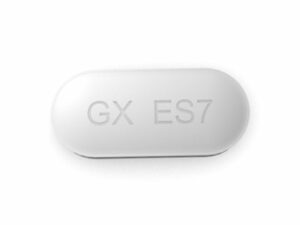
| Available Forms & Strengths | Tablets: 200 mg, 400 mg, 550 mg |
| Manufacturers | Norgine Pty Ltd, Alfa Wassermann S.p.A. |
| Prescription Status | Prescription Only (Schedule 4 in Australia) |
Mechanism of Action
For Patients: Xifaxan contains rifaximin, an antibiotic designed to work mainly in your gut. It stops the growth of certain bacteria, helping relieve symptoms and infection without affecting the rest of your body.
For Clinicians: Rifaximin is a semi-synthetic derivative of rifamycin SV. It inhibits bacterial RNA synthesis by binding to the β-subunit of bacterial DNA-dependent RNA polymerase, exhibiting broad-spectrum activity against Gram-positive and Gram-negative, aerobic and anaerobic enteric bacteria. Minimal systemic absorption supports its gut selectivity.
Pharmacokinetics
- Absorption: Very low oral bioavailability (<1%), limiting systemic exposure and adverse effects.
- Metabolism: Primarily unmodified; minimal hepatic metabolism.
- Elimination: Excreted mainly in the faeces (over 96%).
- Duration of Action: Effects persist in the gut for several hours; dosing typically twice or three times daily depending on indication.
Use in Everyday Life and Best Practices
Typical Doses: Xifaxan dosing varies with the clinical condition (see tables below). The tablet should be swallowed whole with a glass of water.
- Take each dose at evenly spaced intervals for best effect.
- If you forget a dose, take it as soon as you remember unless it's nearly time for your next dose. Do not double the dose.
- Complete the full course, even if you feel better early.
- Best to use a medication reminder, especially for longer courses.
Dosing: Morning vs Evening
- Advantages of Consistent Timing: Taking Xifaxan at the same times each day (morning, evening, or both) helps maintain even drug levels and ensures you never miss a dose.
- Morning Use: May be easier to remember with breakfast; less chance of missing due to daytime routine.
- Evening Use: Useful for patients on twice-daily regimens; can coincide with evening meals.
- Consistency is more important than exact timing—pick times that suit your routine.
Taking with Food or on an Empty Stomach
- Rifaximin may be taken with or without food.
- Food does not significantly affect absorption or effectiveness.
- Patients with sensitive stomachs might prefer taking after a meal to reduce mild gastrointestinal discomfort.
- Australian dietary patterns—including high fibre or dairy—do not interfere with the action of rifaximin.
Interaction Warnings
| Interaction | Advice |
|---|---|
| Food | No significant interactions; safe with typical Australian meals. |
| Alcohol | Moderate alcohol may not interact, but best avoided in hepatic encephalopathy or liver disease indications. |
| Other Medications |
|
Indications
| Indication | Status | Comments |
|---|---|---|
| Traveller’s diarrhoea (caused by non-invasive E. coli) | Approved | Short-course; adults and children ≥12 years |
| Hepatic encephalopathy (prevention of recurrent episodes) | Approved | Adjunct to lactulose |
| Irritable bowel syndrome with diarrhoea (IBS-D) | Off-label | Backed by clinical studies, TGA not yet approved |
| Small intestinal bacterial overgrowth (SIBO) | Off-label | Common GI use; specialist initiation recommended |
| Clostridioides difficile infection (CDI), resistant cases | Off-label | Salvage therapy when other treatments fail |
Dosing According to Clinical Indications
| Condition | Adults | Paediatric (≥12 years) | Elderly |
|---|---|---|---|
| Traveller’s diarrhoea | 200 mg 3 times daily for 3 days | Same as adult | No adjustment needed |
| Hepatic encephalopathy | 550 mg twice daily, long-term | Not established | Usually no adjustment; monitor hepatic function |
| IBS-D (off-label) | 550 mg 3 times daily for 14 days | Specialist advice | No adjustment needed |
| SIBO (off-label) | 400 mg 3 times daily for 10–14 days | Specialist advice | No adjustment needed |
| C. difficile infection (off-label) | 200–400 mg 2–4 times daily (with specialist input) | Specialist advice | Consult specialist |
Safety Profile and Side Effects
| Frequency | Possible Side Effects |
|---|---|
| Common (>1%) |
|
| Uncommon (<1%) |
|
| Rare (<0.1%) |
|
Warnings: Long-term use may allow overgrowth of non-susceptible organisms, including yeasts. Caution in severe liver disease or pregnancy (use only if clearly needed).
Guidelines for Proper Use (Australia)
- Always complete the prescribed course, even if you feel better early.
- Store Xifaxan at room temperature (below 25°C), protected from moisture and heat.
- Inform your healthcare provider about all medications, supplements, and herbal remedies you use.
- Contact your pharmacist or doctor if you experience severe allergic reactions or persistent symptoms.
- Never share your antibiotics with others, even if symptoms are similar.
- Unused tablets should be returned to your pharmacy for safe disposal (per Australia guidelines).
Alternative Treatment Options
- Lactulose (for hepatic encephalopathy): First-line and widely reimbursed, effective for prevention but may cause bloating and diarrhoea.
- Metronidazole, Norfloxacin (for traveller’s diarrhoea): Effective for various bacterial causes, but more systemic side effects and may interact with alcohol.
- Vancomycin or Fidaxomicin (for C. difficile infection): Used in severe or recurrent cases; more expensive and usually restricted to hospital use.
- Probiotics and dietary modifications: Commonly used in IBS and SIBO, with variable benefits.
Xifaxan is often preferred for its low risk of systemic side effects and high gut selectivity. However, cost and lack of full PBS reimbursement for all indications may limit its use.
Legal, Registration, and Reimbursement Status in Australia
- Therapeutic Goods Administration (TGA): Registered for traveller’s diarrhoea and hepatic encephalopathy.
- Pharmaceutical Benefits Scheme (PBS): Subsidised for prevention of hepatic encephalopathy recurrence. Other indications (e.g., IBS-D, SIBO) may not have PBS listing; private scripts needed.
- Prescription Requirement: Schedule 4 (prescription only from a registered medical practitioner).
- Supply: Available at most metropolitan and regional pharmacies. May require special order for specific strengths.
Latest Research and Clinical Guidance (2022–2025)
- Recent meta-analyses (2022) confirm Xifaxan’s efficacy in reducing recurrence of hepatic encephalopathy and improving cognitive outcomes (The Lancet Gastroenterology, 2022).
- Updated IBS-D guidance (2023, Gastroenterological Society of Australia) supports intermittent rifaximin use for improving symptoms, favoring patients poorly responsive to diet alone.
- The British Society of Gastroenterology (2024) recommends rifaximin as a second-line agent for SIBO, especially where symptom burden is high.
- Ongoing trials are investigating longer-term safety and optimal dosing regimens for repeated courses, with no new major safety signals reported.
Availability and Delivery
Xifaxan is packaged in boxes containing 28, 56 or 60 tablets, depending on the strength prescribed. Prices may vary; as of 2024, private scripts (not PBS-subsidised) can range from $90–250 per box, depending on dosage and pack size.
| City | Availability | Indicative Delivery (from major wholesaler) |
|---|---|---|
| Sydney | Common | Same day or next day |
| Melbourne | Common | Same day or next day |
| Brisbane | Common | Next day |
| Perth | Less common, may need to order | 2–3 days |
| Adelaide | Common | 1–2 days |
| Regional/Rural NSW, VIC | Order required | 2–4 days |
Frequently Asked Questions (FAQ)
- Is Xifaxan safe to use long-term?
Yes, Xifaxan can be used long-term under medical supervision, particularly for hepatic encephalopathy. Regular check-ups with your doctor are important for monitoring. - Can I take Xifaxan with my usual medicines?
Most medicines are safe with Xifaxan. However, always inform your doctor and pharmacist about all your prescriptions, as interactions (notably with ciclosporin or warfarin) are possible. - Will Xifaxan cause antibiotic resistance?
Risk is generally low due to poor absorption and targeted gut effect. Long-term or repeated use should be monitored to minimise potential resistance. - Can I drink alcohol while taking Xifaxan?
Moderate alcohol may not interact directly, but it's best to avoid if you have liver disease or hepatic encephalopathy. - Do I need a prescription for Xifaxan in Australia?
Yes, Xifaxan is a prescription-only medicine (Schedule 4) and cannot be bought over-the-counter.