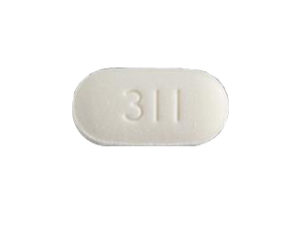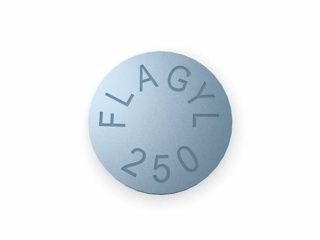

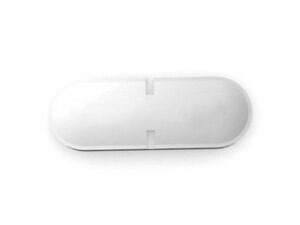
Flagyl (Metronidazole) – Comprehensive Patient Guide for Australia
Basic Product Information
| International Non-proprietary Name (INN) | Metronidazole |
|---|---|
| Australia Brand Names | Flagyl®, Metrogyl®, Metronide® |
| ATC Code | J01XD01 |
| Available Forms & Strengths |
|
| Manufacturers (Australia) | Sanofi-Aventis Australia, Sandoz, Arrow Pharmaceuticals, Alphapharm/Mylan Australia |
| Prescription Status | Prescription Only Medicine (S4, Schedule 4 under the Poisons Standard in Australia) |
Mechanism of Action
In simple terms: Flagyl (Metronidazole) acts against bacteria and certain parasites by damaging their DNA. Once inside these microbes, it is converted into an active form that disrupts their genetic material, stopping them from growing, multiplying, or surviving.
For specialists: Metronidazole is a nitroimidazole antimicrobial. Under anaerobic conditions, the nitro group is reduced to reactive intermediates, which bind with DNA, causing strand breakage and cell death. This makes Flagyl highly effective against most obligate anaerobic bacteria and protozoa (e.g., Trichomonas vaginalis, Giardia lamblia, Entamoeba histolytica).
Pharmacokinetics
- Absorption: Rapid and nearly complete oral absorption (bioavailability ≈ 90-100%). Peak plasma levels occur within 1-2 hours after oral intake.
- Distribution: Well distributed in body tissues and fluids (including brain, liver, bile, saliva, and vaginal secretions).
- Metabolism: Primarily hepatic (via CYP2A6, CYP3A4); main metabolites retain some activity.
- Elimination: Mostly renal excretion (60%-80%), small amount in faeces. Half-life: 6-8 hours in healthy adults.
- Duration of Action: Lasts 8-12 hours, allowing for twice-daily or three times daily dosing in most cases.
Use in Everyday Life and Best Practices
Flagyl is commonly prescribed in Australia for the treatment of a variety of bacterial and protozoal infections. It is widely used in both community and hospital settings.
- Common infections treated include: Dental and gum infections; pelvic inflammatory disease; bacterial vaginosis; Giardia or amoebic gut infections; certain skin ulcers; and infections after bowel surgery.
- Completing the Course: Always finish the full course as prescribed, even if you start to feel better after a few doses.
- Missed Doses: Take as soon as possible. If close to your next dose, skip and continue as normal—do not double dose.
Guidance for different formulations:
- Tablets/Suspension: Swallow with water, ideally at the same time each day for consistency.
- Vaginal Gel/Creams: Use as directed, usually at bedtime for convenience and effectiveness.
- Intravenous: Administered in hospital settings under medical supervision.
Dosing in the Morning vs Evening
- Advantages of morning dosing: Reduces the risk of sleep disturbances (rare, but metronidazole can cause insomnia in some), can help with routine adherence if mornings are more structured.
- Advantages of evening dosing: If gastrointestinal side effects occur, they may be less disruptive overnight; bedtime vaginal treatments reduce leakage and promote absorption.
- Tips for regularity:
- Take at evenly spaced intervals—e.g., every 12 hours if prescribed twice daily.
- Set phone or watch reminders for your dosing times, especially if your routine changes.
Taking with Food or On an Empty Stomach
- Tablets/oral suspension: May be taken with or without food. Some people find taking Flagyl with food or after a light meal reduces stomach upset or nausea—a common side effect.
- Australian diet considerations: Avoid alcohol (see below). Eat as usual, focusing on light, non-greasy meals if you have a sensitive stomach during the course.
- Do not take with milk to “dilute” side effects; sip water instead if needed.
Interaction Warnings
Metronidazole can interact with certain foods, alcohol, and medicines. Key interactions are summarised below:
| Interacting Item | Type | Advice |
|---|---|---|
| Alcohol | Food/Beverage | Avoid entirely during and for at least 24–48 hours after finishing Flagyl (causes severe nausea, vomiting, flushing, palpitations) |
| Warfarin (and other oral anticoagulants) | Medicines | Flagyl may enhance anticoagulant effects; INR monitoring and dosage adjustment required |
| Lithium | Medicines | Risk of lithium toxicity—increase monitoring of lithium levels |
| Ciclosporin | Medicines | Can increase ciclosporin levels—monitor closely |
| Phenobarbital, Phenytoin | Medicines | May lower Flagyl effectiveness; monitor for reduced response |
| Disulfiram | Medicines | Avoid; risk of severe confusion or psychosis |
| Foods containing propylene glycol | Food Additive | Avoid (like alcohol, it can cause disulfiram-like reaction) |
Indications for Flagyl (Metronidazole)
| Official TGA-Approved Indications | Off-label/Other Recognised Clinical Uses |
|---|---|
|
|
Dosing According to Clinical Indications
| Indication | Adults | Children (by weight) | Elderly |
|---|---|---|---|
| Anaerobic infections | 400–500 mg orally every 8–12 hours for 7–10 days | 7.5 mg/kg orally every 8 hours (max 400 mg per dose), duration per clinical need | As for adults; start at lower end of range if reduced renal/hepatic function |
| Trichomoniasis/Giardiasis/Amoebiasis | 2 g (single dose or divided) for 1 day; or 400–800 mg twice daily for 5–10 days | 30–40 mg/kg daily in divided doses for 7 days | As for adults; monitor closely for side effects |
| Bacterial Vaginosis | 400 mg twice daily for 5–7 days; or 2 g as a single dose | N/A (not typically recommended for children) | As for adults |
| Rosacea (topical) | Apply thin layer to affected skin once or twice daily | Not recommended | As for adults |
| Clostridioides difficile | 400 mg three times daily for 10 days (if vancomycin/fidaxomicin not suitable) | 10–12.5 mg/kg orally three times daily | As for adults; consider renal/hepatic function |
Safety Profile / Side Effects
- Common (1–10%): Nausea, metallic taste, loss of appetite, diarrhoea, headache, dry mouth, mild abdominal pain, dizziness.
- Uncommon (0.1–1%): Vomiting, “pins and needles” (neuropathy), skin rash, itching, darkened urine.
- Rare (<0.1%): Seizures, severe allergic reactions (wheezing, swelling), confusion, vision changes.
- Prolonged use beyond recommended courses increases risk of peripheral neuropathy (numbness, tingling).
- Contact your doctor or pharmacist if you notice persistent numbness, tingling, difficulty walking, unexplained fever, or jaundice (yellow skin/eyes).
| Side Effect | How common? | What to do? |
|---|---|---|
| Nausea, loss of appetite | Common | Eat light meals, stay hydrated, usually passes |
| Metallic taste | Common | Temporary—try sugar-free gum or mint |
| Peripheral neuropathy | Rare (with long use) | Stop treatment, see doctor promptly |
| Rash, severe allergy | Very rare | Seek urgent medical attention |
Guidelines for Proper Use
- Never share your antibiotics; use only as prescribed by an Australian-registered prescriber.
- You must avoid all forms of alcohol (wine, beer, spirits, and some low-alcohol foods) during and for 48 hours after your last dose.
- Tell your pharmacist/doctor if you have liver or kidney problems, are pregnant or breastfeeding, or take other medications (especially blood thinners).
- Store tablets below 25°C in a dry place; oral liquid in the fridge (<8°C), if directed on the label.
- Keep out of reach of children and pets.
Alternative Treatment Options (PBS-Listed)
- Clindamycin (oral/vaginal): Effective alternative for similar infections (e.g., bacterial vaginosis, dental infections). Pros: well tolerated; Cons: higher risk of certain diarrhoea; PBS listed.
- Vancomycin or Fidaxomicin (for C. difficile): Used if metronidazole fails or intolerance occurs. Pros: highly effective; Cons: restricted to specific indications; PBS listed.
- Tinidazole: Similar mechanism and uses; often a single-dose alternative; PBS listed for select indications.
- Moxifloxacin: Used in certain refractory infections. Pros: broad coverage; Cons: not always suitable due to resistance profiles.
Legal, Registration, and Reimbursement Status in Australia
- Registration: Flagyl (metronidazole) is registered by the Therapeutic Goods Administration (TGA).
- Legal status: Schedule 4 (Prescription Only Medicine, "S4" under Poisons Standard).
- Reimbursement: Available under the Pharmaceutical Benefits Scheme (PBS) for eligible patients/conditions. Consult your prescriber or pharmacist for current reimbursement rules.
Latest Research/Clinical Guidance (2022–2025)
- A 2023 review by The Medical Journal of Australia supports the continued use of metronidazole as a first-line agent for many anaerobic and protozoal infections, with a reminder to minimise unnecessary use to avoid resistance.
- Australian guidelines (Therapeutic Guidelines: Antibiotic, v17, 2024) recommend metronidazole for bacterial vaginosis, trichomoniasis, amoebiasis, and certain dental infections, but now favour vancomycin/ fidaxomicin first for C. difficile in most adults.
- Recent studies (BMJ, 2024) confirm the importance of full course completion, noting increased treatment failures in partial courses.
- Ongoing surveillance suggests metronidazole resistance among anaerobes in Australia remains low, but increasing resistance is observed globally.
Availability and Delivery (Australia)
| Pack Size (Tablets/Suspension) | Indicative Price (AUD)* | In-Store Pickup | Express Delivery (Sydney, Melbourne, Brisbane, Perth) | Standard Delivery (Incl. Regional/Rural) |
|---|---|---|---|---|
| Flagyl 400 mg x 20 tablets | $8–$15 (PBS copayment applies for eligible) | Available same day at most community pharmacies | 1–2 business days (major cities) | 2–5 business days |
| Oral Suspension 200 mg/5 mL x 100 mL | $16–$22 | Usually next-day if not in stock | 1–2 business days | 2–6 business days |
| Vaginal gel 0.75% x 70 g | $19–$29 | Order required at some pharmacies | 1–3 business days | 2–7 business days |
*Prices are indicative only. PBS co-payment as of 2024: $7.30 (concession) or $31.60 (general).
Frequently Asked Questions (FAQ)
- Can I drink alcohol while taking Flagyl?
No. You must avoid all forms of alcohol (including beer, wine, spirits, and certain syrups or alcohol-containing mouthwashes) during treatment and for 48 hours after the last dose. Mixing alcohol with Flagyl can cause severe nausea, vomiting, flushing, and headaches. - What should I do if I miss a dose?
Take the missed dose as soon as you remember. If it’s nearly time for your next dose, skip the missed dose and return to your normal schedule. Do not double up to make up for a missed dose. - Can I take Flagyl if I am pregnant or breastfeeding?
Tell your doctor if you are pregnant, planning pregnancy, or breastfeeding. Flagyl is generally avoided in the first trimester of pregnancy unless your doctor deems it essential. Caution is used in breastfeeding, as metronidazole is present in breast milk. - Why do I have a metallic taste or dark urine?
Both are known, harmless side effects of Flagyl and usually resolve when the course is finished. If you develop new or severe symptoms, contact your doctor. - When should I seek medical help while taking Flagyl?
Seek immediate medical attention if you notice allergic reactions (rash, hives, swelling, trouble breathing), severe diarrhoea, numbness, tingly sensations, or confusion.
For further information or personalised advice, please consult your local pharmacist or speak to your prescribing doctor. Flagyl is a trusted and effective medicine when taken as directed. Always use antibiotics responsibly to preserve their effectiveness for future generations.