
Nortriptyline (Nortriptyline Hydrochloride): Full Product Information for Australia Patients
Basic Product Information
| International Nonproprietary Name (INN) | Nortriptyline |
|---|---|
| Common Australia Brand Names | Aventyl, Allegron, Dothep (not all brands available at all times) |
| ATC Code | N06AA10 |
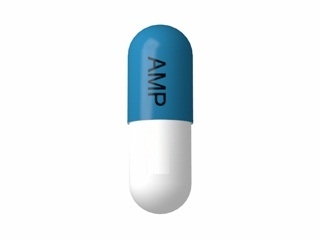
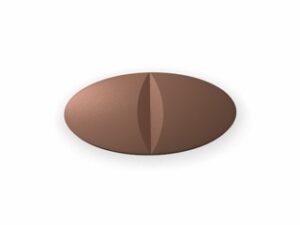
| Available Forms and Strengths | Tablets: 10 mg, 25 mg; Capsules: 10 mg, 25 mg, 50 mg (dependent on supplier) |
| Manufacturers | Mylan Health, Arrow Pharmaceuticals, Aspen Pharmacare, Apotex, generic versions |
| Prescription Status | Prescription Only Medicine (Schedule 4 - S4 in Australia) |
Mechanism of Action
- For Patients: Nortriptyline is a type of medication called a tricyclic antidepressant (TCA). It works mainly by increasing the amount of certain mood-enhancing chemicals (norepinephrine and serotonin) in your brain, which helps to improve mood and relieve symptoms such as pain or nerve-related discomfort.
- For Specialists: Nortriptyline selectively inhibits the reuptake of norepinephrine and, to a lesser extent, serotonin at presynaptic nerve endings, enhancing neurotransmission. It also exerts anticholinergic and mild antihistaminic effects, which contribute to both efficacy and side effect profile.
Pharmacokinetics
- Absorption: Nortriptyline is well absorbed from the gastrointestinal tract, with peak plasma concentrations reached 2–8 hours post-ingestion.
- Metabolism: Extensively metabolised in the liver by CYP2D6 enzymes, subject to genetic variation in metabolism rate.
- Elimination: Excreted mainly as metabolites in urine; only a small amount is excreted unchanged.
- Duration of Action: Half-life ranges from 18 to 44 hours (average 24 hours), enabling once-daily dosing for most indications.
Use in Everyday Life and Best Practices in Australia
Nortriptyline should be taken exactly as prescribed by your doctor or pharmacist. In Australia, it is commonly prescribed for:
- Major depressive disorder (especially where first-line agents, like SSRIs, are unsuitable)
- Chronic neuropathic pain (including diabetic neuropathy, postherpetic neuralgia)
- Prevention of migraine (off-label use)
- Management of anxiety disorders, insomnia (off-label and specialist use)
Typical starting doses vary based on the condition, your age, and other medications you may be taking. Always take nortriptyline at the same time each day to maintain even blood levels and maximise benefit.
- Swallow tablets or capsules whole with a full glass of water.
- Do not suddenly stop the medicine—speak with your doctor if you need to discontinue.
- Store below 25°C, away from moisture and direct sunlight.
Dosing in the Morning vs Evening
Nortriptyline can cause drowsiness, especially when you first start taking it. Most Australians benefit from taking it in the evening, ideally about an hour before bedtime, to reduce daytime tiredness. If you feel drowsy or sedated during the day, shift your dose to later in the evening, but always check with your doctor or pharmacist before making changes. If it disrupts your sleep or causes vivid dreams, morning dosing may be considered.
Tips for Regularity:
- Take your dose at the same time each day.
- Use a medication reminder or phone alarm to avoid missing doses.
- If you forget a dose, take it as soon as you remember. If close to your next dose, skip the missed dose and continue as usual.
Taking Nortriptyline with Food or on an Empty Stomach
Nortriptyline can be taken with or without food—food does not significantly affect absorption or effectiveness. Having a small snack can reduce any minor stomach upset.
- Australian dietary consideration: No foods in the English diet require avoidance with nortriptyline. You can continue meals as usual, including dairy, meat, fruits, and vegetables.
- Avoid excess alcohol, as it may increase drowsiness or the risk of side effects.
Interaction Warnings
| Substance/Class | Interaction | Advice |
|---|---|---|
| Alcohol | Increases sedation, dizziness, and risk of accidents | Avoid or minimise intake |
| Other antidepressants (SSRIs, SNRIs, MAOIs) | Risk of serotonin syndrome, increased side effects | Do not combine; inform all healthcare providers |
| Anti-hypertensives | May reduce blood pressure-lowering effect | Monitor BP; doctor may adjust doses |
| Anticholinergic drugs (e.g. oxybutynin, some antihistamines) | Increased risk of dry mouth, constipation, urinary retention | Inform pharmacist/doctor; monitor symptoms |
| St John's Wort, other herbal supplements | May affect side effects, risk of serotonin syndrome | Discuss all supplements with your doctor |
| Cimetidine, fluoxetine, other CYP2D6 inhibitors | May increase levels of nortriptyline (raise side effect risk) | Doctor will monitor levels and adjust dose if needed |
Indications
| Indication | Official (TGA-approved) | Off-label |
|---|---|---|
| Major depression | Yes | — |
| Neuropathic pain (diabetic neuropathy, post-herpetic neuralgia) | No | Yes |
| Prevention of migraine | No | Yes |
| Anxiety disorders, insomnia | No | Yes—only under specialist supervision |
| Enuresis in children (bedwetting, rarely used) | No | Yes, specialist only |
Dosing According to Clinical Indications
| Indication | Age Group | Starting Dose | Usual Dose Range | Maximum Daily Dose |
|---|---|---|---|---|
| Depression | Adult | 25 mg daily (evening) | 25–75 mg daily, divided or single dose | 150 mg |
| Neuropathic pain | Adult | 10–25 mg daily (evening) | 10–50 mg daily (maintenance) | 75 mg |
| Prevention of migraine | Adult | 10 mg daily (evening) | 10–25 mg daily | 50 mg |
| Pediatric — depression | 12–18 years | 10–25 mg daily, as advised | Up to 50 mg (specialist only) | 75 mg |
| Elderly or frail | >65 years | 10 mg daily (evening) | 10–30 mg daily | 50 mg |
Note: Dosing often starts low and is adjusted over several weeks based on response and tolerability. Always follow specialist advice and regular review.
Safety Profile and Side Effects
| Frequency | Possible Side Effects | Advice |
|---|---|---|
| Common (10–20%) | Dry mouth, drowsiness, constipation, blurred vision, weight gain, light-headedness, sweating | Usually mild; report troubling symptoms to your doctor. |
| Occasional (1–10%) | Difficulty urinating, increased appetite, vivid dreams, heart rate changes | Report if persistent, especially heart symptoms. |
| Rare (<1%) | Heart rhythm changes, severe allergic reactions, confusion (especially elderly), seizures | Stop medicine and seek urgent medical advice. |
| Warnings | Can increase risk of suicidal thoughts (particularly in first weeks), especially in young adults. May worsen glaucoma or prostate problems. | Report any mood changes, eye pain, or difficulty urinating straight away. |
- If you have liver/kidney issues, a history of seizures, heart disease, or are pregnant/breastfeeding, discuss risks/benefits with your healthcare provider.
- TCAs can be dangerous in overdose: Keep away from children and never exceed the prescribed amount.
Guidelines for Proper Use (Australia Context)
- Have a regular script review with your GP or specialist (every 3–6 months for chronic indications).
- If you develop any new symptoms, or if existing symptoms worsen, contact your clinic or pharmacy for advice.
- Do not share your medicines with others or use for non-approved conditions.
- Be cautious when starting, as drowsiness may affect driving or using machinery (required by Australian road safety law to report if affected).
- Use your My Health Record to keep all prescribers informed of your medicines.
Alternative Treatment Options
- SSRIs (e.g., sertraline, escitalopram, fluoxetine): First-line for depression and anxiety; generally fewer side effects but less effective for some pain syndromes. Reimbursed under the PBS.
- SNRIs (e.g., duloxetine): Superior for some forms of neuropathic pain; less sedating. PBS-listed.
- Amitriptyline: Another TCA, similar uses and effects. May be more sedating and have greater side effect risk, but is also PBS-listed.
- Gabapentinoids (gabapentin, pregabalin): Used mainly for neuropathic pain. Fatigue, weight gain, and dizziness are common side effects. PBS-listed for specific pain conditions.
- Psycho-social therapies: Cognitive Behavioural Therapy (CBT) for depression, anxiety, pain syndromes. Often used in combination with medication, and Medicare rebates are available for eligible Australians.
Legal, Registration, and Reimbursement Status in Australia
- TGA: Nortriptyline is registered for medical use in Australia by the Therapeutic Goods Administration (TGA).
- Reimbursement (PBS): Nortriptyline is subsidised under the Pharmaceutical Benefits Scheme (PBS) when prescribed for depression (not generally subsidised for pain or other off-label uses).
- Prescription Requirements: Schedule 4 (S4) — prescription only, can be prescribed by GPs and specialists, repeat scripts need regular review.
- Workplace, driving, and other legal considerations: Must not drive or operate hazardous machinery while drowsy; report ongoing sedation to your healthcare provider (required by RMS/VicRoads if persistent).
Latest Research and Clinical Guidance (2022–2025)
- Recent Australian meta-analyses (Australian Prescriber, 2023; BMJ, 2022) confirm ongoing value for nortriptyline as a second-line therapy for depression and neuropathic pain, particularly when first-line agents are not tolerated or insufficiently effective.
- Guidelines from the Royal Australian College of General Practitioners (RACGP, 2023) reinforce low starting doses and gradual titration for chronic pain management, with routine review of benefits and side effects.
- Position statements highlight importance of ECG monitoring in elderly or those with cardiac risk factors (Therapeutic Guidelines Australia, Neurology/Depression, 2024).
- Off-label migraine prevention is supported by both the RACGP and Australian Therapeutic Guidelines for patients who have not responded to beta blockers or other agents.
Availability and Delivery Information
| Pack Size | Form | Approximate PBS Price (2024) | Typical Private Price | Delivery Time (Sydney/Melbourne/Brisbane/Perth) |
|---|---|---|---|---|
| 25 tablets | 10 mg, 25 mg | $12.95 | $17–$21 | 1–2 business days (metro); 2–5 days (regional) |
| 100 tablets | 10 mg, 25 mg | $31.50 | $38–$44 | 1–2 business days (metro); 3–5 days (regional) |
Most Australian community and online pharmacies carry nortriptyline or can obtain stock within 2 business days. A valid prescription from an Australian-registered medical practitioner is always required for supply.
Frequently Asked Questions (FAQ)
- How long does nortriptyline take to work?
Most people begin to notice improvements in mood or reduced pain within 2–4 weeks. Maximum benefit may take 6–8 weeks. Do not stop early without consulting your doctor. - Is it safe to drink alcohol while taking nortriptyline?
It is best to avoid alcohol, especially at the start of treatment, as it increases drowsiness and can impair judgment. - Can it be used during pregnancy or breastfeeding?
Nortriptyline should only be used during pregnancy or breastfeeding if clearly necessary and after discussion of all risks and benefits with your doctor. - What if I forget a dose?
Take it as soon as possible unless it is less than 6 hours before your next dose. If close to your next scheduled dose, just skip the missed one—do not double up. - Do I need blood tests while taking nortriptyline?
Occasionally, your doctor may order blood tests to check nortriptyline levels, especially if dose is high, you are elderly, or you develop side effects. ECG monitoring may also be considered.