Fluvoxamine: Comprehensive Patient Information for Australians
Basic Product Information
| International Non-Proprietary Name (INN) | Fluvoxamine |
|---|---|
| Common Brand Names in Australia | Luvox®, Faverin® |
| ATC Code | N06AB08 |
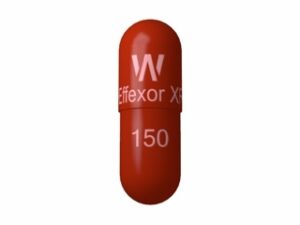
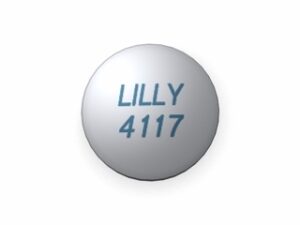
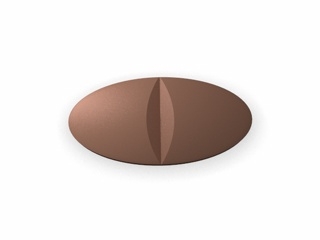
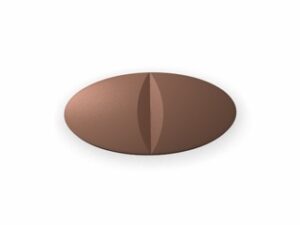
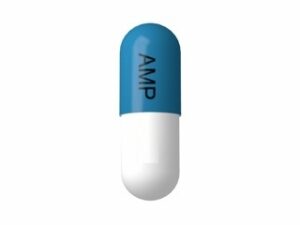
| Available Forms & Strengths | Tablets: 50 mg, 100 mg (film-coated) |
| Manufacturers | Abbott Australasia Pty Ltd, Alphapharm Pty Ltd, Mylan Health Pty Ltd |
| Prescription Status | Schedule 4 – Prescription Only Medicine in Australia |
Mechanism of Action
For Patients:
Fluvoxamine is a type of medicine called a selective serotonin reuptake inhibitor (SSRI). It works by increasing the level of serotonin, a chemical messenger in your brain, which helps improve mood, control anxiety, and manage obsessive thoughts.
For Specialists:
Fluvoxamine selectively inhibits presynaptic serotonin reuptake by blocking the serotonin transporter (SERT). It has minimal norepinephrine and dopamine reuptake activity. Fluvoxamine also has affinity for sigma-1 receptors, which may contribute to its anxiolytic effect.
Pharmacokinetics
- Absorption: Well absorbed orally (bioavailability about 53% due to first-pass metabolism).
- Time to Peak Level: Around 3-8 hours after dosing.
- Metabolism: Extensively metabolised in the liver (mainly CYP2D6, CYP1A2, CYP3A4).
- Elimination Half-life: 15–22 hours (increased in elderly).
- Excretion: Mostly via urine (as metabolites), minor via faeces.
- Duration of Action: Once or twice daily dosing provides consistent effect.
Use in Everyday Life and Best Practice
Fluvoxamine is generally prescribed for adults and children over 8 years of age. Tablets should be swallowed whole with water, not chewed or crushed. Treatment is usually started at a low dose and gradually increased to reduce side effects. It is most effective when taken consistently at the same time each day.
Typical Uses Include:
- Obsessive-Compulsive Disorder (OCD): Relieves intrusive thoughts and compulsive behaviours.
- Major Depressive Disorder (MDD): Alleviates low mood, poor sleep, and other depression symptoms.
- Social Anxiety Disorder and other anxiety-related illnesses: Reduces social fears, panic, or generalised anxiety.
Dosing: Morning vs Evening
- Morning Dosing: Recommended if the medicine causes difficulty sleeping (insomnia). It can be taken with or without food.
- Evening Dosing: Some people prefer evening dosing if the medicine causes drowsiness.
Key tip: Take your dose at around the same time each day for best results. If you develop sleep problems or daytime drowsiness, discuss changing the timing with your doctor or pharmacist.
Taking with Food or on an Empty Stomach
Fluvoxamine can be taken with or without food. In Australia, it is often taken after breakfast or dinner, depending on the patient’s schedule and tolerance. Taking it with food may reduce the risk of stomach upset, especially in the first few weeks of treatment. There are no special dietary restrictions but maintaining regular meals and limiting excessive intake of caffeine (coffee, tea) can minimise potential side effects such as nervousness.
Interaction Warnings
| Type | Examples | Possible Outcome | Advice |
|---|---|---|---|
| Medicines | MAOIs, other SSRIs, SNRIs, tricyclics, antipsychotics, warfarin, theophylline, phenytoin, benzodiazepines, propranolol, tramadol | Increased side effects, risk of serotonergic syndrome, increased bleeding risk, elevated drug levels | Always inform your doctor or pharmacist about all your medications. |
| Food | Grapefruit juice, caffeine | Grapefruit juice may affect blood levels; too much caffeine may increase nervousness or palpitations. | Moderation is recommended; check with your pharmacist if uncertain. |
| Alcohol | Beer, wine, spirits | May worsen drowsiness, impair judgement, increase risk of liver effects | Avoid or reduce alcohol consumption while on fluvoxamine. |
Indications
| Indication | Official (TGA listed) | Off-Label (Clinician Guided) |
|---|---|---|
| Obsessive-Compulsive Disorder (OCD) | Yes | – |
| Major Depressive Disorder (MDD) | Yes | – |
| Panic Disorder / Social Anxiety Disorder | No | Yes |
| Generalised Anxiety Disorder, Post-Traumatic Stress Disorder (PTSD) | No | Possible |
| COVID-19 (investigational) | No | Under research—not approved in Australia |
Dosing According to Clinical Indications
| Indication/Age Group | Starting Dose | Typical Range | Maximum Daily Dose |
|---|---|---|---|
| OCD (Adults) | 50 mg at bedtime or divided | 100–300 mg (divided doses) | 300 mg |
| MDD (Adults) | 50 mg at bedtime | 100–200 mg | 300 mg |
| OCD (Children aged 8+) | 25 mg at bedtime | Up to 200 mg (divided doses) | 200 mg |
| Elderly | 25 mg at bedtime | Cautiously increase as tolerated | 150 mg |
Always follow your doctor’s instructions. Dosage may be adjusted based on medical response and side effects.
Safety Profile and Side Effects
Like all prescription medicines, fluvoxamine can cause side effects. Most are mild and improve over time.
| Common Side Effects (>10%) | Less Common (<5%) | Rare/Serious |
|---|---|---|
| Nausea, drowsiness, insomnia, indigestion, dry mouth, sweating, dizziness, headache, diarrhoea | Decreased appetite, sexual dysfunction, agitation, tremor, rash | Serotonin syndrome (fever, confusion, tremor), low sodium (elderly), allergic reaction (rash, swelling), suicidal thoughts (particularly in young adults), bleeding |
Seek immediate medical help if you experience:
- Sudden mood changes, suicidal thoughts or behaviour
- Severe rash or swelling
- Fever, chills, confusion, muscle stiffness (possible serotonin syndrome)
Guidelines for Proper Use (Australian Advice)
- Always take fluvoxamine exactly as prescribed by your doctor. Do not change your dose without consulting your healthcare provider.
- If you forget a dose, take it as soon as you remember—unless it is close to the next dose. Do not double up to make up for a missed tablet.
- Regular, daily use is important for the best effect. Set reminders or use a pill organiser if helpful.
- Avoid alcohol and check with your pharmacist about over-the-counter medicines or supplements that may interact.
- Let your doctor or pharmacist know about any long-term medical conditions (e.g., liver or kidney disease) or if you are pregnant or breastfeeding.
- Do not stop taking fluvoxamine suddenly, unless advised by your doctor, as withdrawal symptoms may occur.
- Attend regular follow-up appointments to monitor your progress and side effects.
Alternative Treatment Options
- Other SSRIs: Fluoxetine, sertraline, citalopram, escitalopram, paroxetine (similar effectiveness; choice depends on tolerability and side effect profile).
- Serotonin–Noradrenaline Reuptake Inhibitors (SNRIs): Venlafaxine, duloxetine (sometimes used if SSRIs are not tolerated).
- Tricyclic antidepressants: Clomipramine (effective for OCD, but with more side effects and needing cardiac monitoring).
- Psychological treatments: Cognitive-behavioural therapy (CBT) is recommended in combination with medication for OCD and depression.
Each treatment has its own pros and cons. Discuss the best choice for your needs with your doctor or pharmacist.
Legal, Registration, and Reimbursement Status in Australia
- Regulatory Approval: Registered with the Therapeutic Goods Administration (TGA), Department of Health, Australia.
- Legal Status: Prescription-only (Schedule 4) drug; can only be supplied with a valid doctor's prescription.
- Subsidy: PBS (Pharmaceutical Benefits Scheme) reimbursement is available for approved indications, including OCD and MDD.
- Special Authority: May apply for special circumstances (e.g., off-label uses).
- Repeat Prescriptions: Available when specified by the prescribing doctor, in line with PBS and pharmaceutical guidelines.
Latest Research and Clinical Guidance (2022–2025)
- Mental Health Guidelines (2022–2024): Australian and international clinical guidelines support fluvoxamine as a first-line option for OCD and a second-line option for depression (see Royal Australian and New Zealand College of Psychiatrists, 2022).
- COVID-19 Research: While some early studies showed a possible role for fluvoxamine in reducing the progression of COVID-19 (Lancet Global Health, 2022), this indication remains under investigation and is not TGA-approved. Standard use remains psychiatric disorders.
- Depression Guidance: Fluvoxamine is considered similarly effective to other SSRIs, but can be particularly useful when symptoms of OCD are also present (Australian Prescriber, 2023).
Availability and Delivery (Australia)
| Pack Sizes | Indicative Price (PBS subsidised)* | Delivery Times (Major Cities) |
|---|---|---|
| 50 mg x 30 tablets 100 mg x 30 tablets | $6.70 (concession), $30.00–$45.00 (general) | Sydney/Melbourne: 1–2 days Brisbane: 1–2 days Perth/Adelaide: 2–3 days Regional areas: 2–5 days |
*Prices subject to change based on PBS schedule and pharmacy. Next-day pharmacy delivery may be available in metro areas.
FAQ: Fluvoxamine in Australia
- How long does fluvoxamine take to work?
Most people begin to notice some improvement in symptoms within 2–4 weeks. Maximum benefit may take up to 8 weeks. - Can I drink alcohol while taking fluvoxamine?
It is best to avoid alcohol, as it may worsen side effects such as drowsiness or impair judgement. - What should I do if I miss a dose?
Take the missed dose as soon as you remember unless it’s almost time for your next dose. Do not double the next dose to make up for a missed tablet. - Is it safe in pregnancy or while breastfeeding?
Fluvoxamine should be used during pregnancy or breastfeeding only if clearly needed, after consulting your doctor. Your doctor will weigh the benefits and risks. - Can I suddenly stop taking fluvoxamine?
No—sudden stopping is not recommended due to possible withdrawal symptoms. If you wish to stop, consult your doctor for a safe reduction plan.
For further information, please speak with your healthcare provider or ask our pharmacy team.