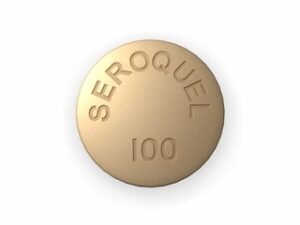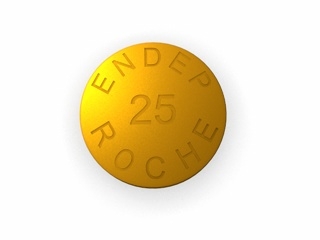


Endep (Amitriptyline) – Patient Information Guide for Australia
Basic Product Information
| International Nonproprietary Name (INN): | Amitriptyline |
| Common Australia Brand Names: | Endep, Tryptanol, Amitriptyline Sandoz, Amitriptyline AN |
| ATC Code: | N06AA09 |
| Available Forms & Strengths: | Tablets: 10 mg, 25 mg, 50 mg, 75 mg |
| Australian Manufacturers/Importers: | Alphapharm, Sandoz, Apotex, Pfizer, Teva, amongst others |
| Prescription Status: | Prescription only (Schedule 4 medicine in Australia) |
Mechanism of Action
Simple Explanation: Endep (amitriptyline) is a tricyclic antidepressant (TCA) which works by increasing the levels of certain chemicals called neurotransmitters (primarily serotonin and noradrenaline) in the brain. These brain chemicals help to regulate mood, pain perception, and sleep.
For specialists: Endep inhibits neuronal reuptake of norepinephrine and serotonin in the central nervous system. It also has significant anticholinergic, antihistaminic, and alpha-adrenergic blocking effects, which contribute to its side effect and therapeutic profile. Amitriptyline’s active metabolite, nortriptyline, also contributes significantly to its effects.
Pharmacokinetics
- Absorption: Well absorbed after oral administration; bioavailability is about 30–60% due to first-pass metabolism in the liver.
- Metabolism: Extensively metabolized in the liver by CYP450 enzymes, primarily CYP2C19 and CYP2D6, forming active nortriptyline and other metabolites.
- Elimination: Mostly excreted in urine as metabolites; only a small amount is excreted unchanged.
- Half-life: 10–28 hours for amitriptyline; nortriptyline’s half-life is about 18–44 hours.
- Duration of Action: Therapeutic effects typically last about 24 hours, supporting once-daily dosing in many cases.
Use in Everyday Life and Best Practices
Endep is prescribed by Australian healthcare professionals for various conditions. It is most often used at night due to its sedating effects. It is essential to follow your doctor's dosage instructions, as the appropriate dose and duration depend on the condition being treated, your age, and your overall health.
For most indications, treatment begins with a low dose which is gradually increased, allowing your body to adjust and minimising side effects. Tablets should be swallowed whole with a glass of water, and doses should be taken as prescribed. Never stop or change the dose without consulting your prescriber, as sudden discontinuation can provoke withdrawal symptoms.
- Do not drive or operate heavy machinery if you feel drowsy – a common early side effect.
- Stick to your schedule: Take your medicine at the same time each day.
- Attend follow-up: Regular check-ups help monitor your response and safety.
Dosing: Morning vs Evening
- Evening dosing: Preferred due to sedative effects, which can assist with sleep (especially useful if insomnia or nocturnal pain is present).
- Morning dosing: Not generally recommended unless instructed, as it can cause daytime drowsiness, reduced concentration, and increased accident risk.
- Tip: Be consistent. Try to take your dose at the same time every evening, ideally just before bed.
Taking With Food or On an Empty Stomach
- Endep can be taken with or without food. Food does not significantly alter absorption or clinical efficacy.
- If you experience stomach upset, try taking it after a meal or snack.
- There are no specific Australian dietary restrictions with amitriptyline. Maintain a balanced diet, rich in fruits, vegetables, whole grains, and modest dairy and protein intake, in line with Australian healthy eating guidelines.
Interaction Warnings
Amitriptyline interacts with a variety of foods, drinks, and medicines. Always inform your doctor and pharmacist of all medications you are taking, including over-the-counter, supplements, and herbal medicines.
| Type | Example | Potential Effect |
|---|---|---|
| Alcohol | Beer, wine, spirits | Increased sedation; avoid or limit use |
| Antidepressants | SSRIs, MAOIs, SNRIs | Serotonin syndrome risk or enhanced side effects |
| Antihypertensives | Beta blockers, clonidine | Blood pressure fluctuations |
| Anticholinergics | Antihistamines, some bladder meds | Increased dry mouth, constipation, urinary retention |
| St John’s Wort | Herbal supplements | May increase toxicity, reduce effectiveness |
| Other medications | Carbamazepine, phenytoin, cimetidine | Altered amitriptyline levels |
Note: Always check with your clinician or pharmacist before starting new medicines or supplements.
Indications
| Indication | Status |
|---|---|
| Major depressive disorder | Approved |
| Neuropathic pain (e.g., diabetic neuropathy, post-herpetic neuralgia) | Accepted/Off-label |
| Prevention of migraine | Accepted/Off-label |
| Fibromyalgia | Off-label |
| Insomnia (short-term adjunct) | Off-label |
| Irritable bowel syndrome (pain management) | Off-label |
| Childhood nocturnal enuresis (bedwetting) | Accepted but off-label |
Dosing According to Clinical Indications
| Indication | Adults | Elderly | Children |
|---|---|---|---|
| Depression | 25–75 mg at night, up to 150–200 mg/day (in divided doses) | 10–25 mg at night, titrated slowly | Not generally recommended |
| Neuropathic Pain | 10–25 mg at night, up to 75 mg/day | Start at 10 mg, increase slowly as tolerated | Not recommended |
| Migraine Prophylaxis | 10–25 mg at night, up to 75 mg/day | Start at 10 mg, increase slowly | Consult paediatric specialist |
| Childhood Nocturnal Enuresis (6+ | – | – | 10–20 mg at bedtime, max 50 mg/day (short-term only) |
Notes: Always start with the lowest effective dose and titrate as clinically indicated. Elderly individuals are especially sensitive to side effects.
Safety Profile and Side Effects
| Frequency | Potential Side Effects | Warning Notes |
|---|---|---|
| Very common/ Common | Drowsiness, dry mouth, constipation, blurred vision, weight gain, dizziness, sleep disturbances, sweating | Often settle with time; report persistent issues |
| Uncommon | Urinary retention, confusion, sexual dysfunction, increased appetite, palpitations, blood pressure changes | More likely in elderly; inform GP if symptoms occur |
| Rare/ Serious | Heart rhythm disturbances, seizures, severe allergic reactions, serotonin syndrome, suicidal thoughts (especially on starting) | Seek immediate medical help |
- If you develop suicidal thoughts, chest pain, rapid heartbeat, confusion, or allergy symptoms (swelling/rash/shortness of breath), seek urgent medical assistance.
Guidelines for Proper Use – Pharmacy and Clinic Advice
- Follow the prescription exactly – never exceed the prescribed dose.
- If you forget a dose, take it as soon as you remember unless it is close to the next dose (then skip the missed dose).
- Do not abruptly stop taking Endep. Withdrawal symptoms may occur.
- Inform healthcare providers about your use of amitriptyline before surgery or if prescribed new medicines.
- Monitor for side effects, especially at the start or if doses change.
- Keep regular appointments for blood pressure and heart monitoring, if recommended.
- Store at room temperature, out of reach of children.
Alternative Treatment Options
- Depression:
- SSRIs: e.g., sertraline, escitalopram
(Fewer side effects, less sedating, PBS listed.) - SNRIs: e.g., duloxetine, venlafaxine
(Effective for depression and pain, PBS listed.) - Mirtazapine:
(Good for sleep and depression; more weight gain.) - Psychological therapies: Cognitive behaviour therapy (often as effective, especially for mild to moderate depression; Medicare rebates available)
- SSRIs: e.g., sertraline, escitalopram
- Chronic Pain:
- Gabapentinoids: gabapentin, pregabalin
- Duloxetine: especially for neuropathic pain, PBS listed
- Non-pharmacological: physiotherapy, psychological support, lifestyle measures
- Migraine: propranolol, topiramate, lifestyle approaches
Discuss with your GP or pharmacist to find the best option for your needs.
Legal, Registration, and Reimbursement Status in Australia
- Legal status: Prescription only (Schedule 4, S4). Supplied by Australian registered pharmacists on a valid prescription.
- Registered with: Therapeutic Goods Administration (TGA)
- Reimbursed on PBS: Yes, for major depressive disorder and some chronic pain conditions. Check with your pharmacist or GP for eligibility.
- Authority prescription: May be required for some off-label uses under Special Access Scheme.
Latest Research and Clinical Guidance (2022–2025)
- Recent guidelines continue to support amitriptyline’s use in depression, neuropathic pain, and migraine, especially when first-line options are unsuitable (Royal Australian and New Zealand College of Psychiatrists, 2023).
- The NPS MedicineWise resource and the Australian Therapeutic Guidelines recommend low-dose tricyclics for neuropathic pain, particularly in cases of insufficient response to other treatments.
- Continued research highlights the importance of regular monitoring for cardiac effects and side effects, especially in older adults (BMJ 2024, Therapeutic Guidelines Australia).
- Mental health guidance in Australia emphasises patient and carer education and periodic medication review (Australian Commission on Safety and Quality in Health Care, 2024).
Availability and Delivery (Pack Sizes & Prices)
| Pack Size | Indicative Price (AUD, PBS co-payment*) | Estimated Pharmacy Delivery** |
|---|---|---|
| 50 tablets (25 mg) | $10–$30 | Next business day (Sydney, Melbourne, Brisbane) |
| 100 tablets (10 mg, 25 mg, 50 mg) | $15–$45 | 2–4 days (Perth, Adelaide, Hobart) |
| 200 tablets (various strengths) | $20–$60 | 3–6 days (regional/rural delivery) |
*Prices subject to change and may vary depending on PBS status and individual concession status.
**Check with your pharmacy for precise and express delivery options.
FAQ – Common Patient Questions
- How long does it take for Endep to start working?
For depression, you may begin to feel benefits after 2–4 weeks. Pain relief may occur in 1–2 weeks. Always continue as advised, as effects build gradually. - Can I drink alcohol while taking Endep?
It is best to avoid or strictly limit alcohol, as it can increase drowsiness, dizziness, and the risk of side effects. - Will Endep make me gain weight?
Some people may experience weight gain over time. Maintaining a healthy diet and regular exercise can help manage this risk. - Is it safe to drive after taking Endep?
Not until you know how it affects you. Endep can cause drowsiness, especially in the first weeks. Avoid driving until you are confident you are unimpaired. - What if I miss a dose of Endep?
Take it as soon as you remember unless it’s close to your next dose—then skip it and return to your regular schedule. Do not double up.
Please talk to your doctor, pharmacist, or nurse for more tailored advice. For urgent concerns, contact healthdirect Australia on 1800 022 222 or your local emergency services.