
Prometrium (Progesterone) – Patient Information for Australia
Basic Product Information
- International Nonproprietary Name (INN): Progesterone
- Common Australia Brand Names: Prometrium, Utrogestan, generic Progesterone
- ATC Code: G03DA04
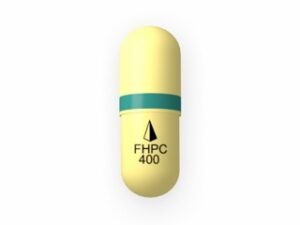
- Available Forms & Strengths:
- Capsules: 100 mg, 200 mg
- Vaginal capsules/tablets: 100 mg
- Main Manufacturers: Besins Healthcare, Ferring Pharmaceuticals, various generics
- Prescription Status: Schedule 4 (Prescription Only Medicine, S4)
| Brand Name | Form | Strength(s) | Manufacturer |
|---|---|---|---|
| Prometrium | Capsule | 100 mg, 200 mg | Besins Healthcare |
| Utrogestan | Vaginal capsule | 100 mg | Besins Healthcare |
| Generic Progesterone | Capsule, oral/vaginal | 100 mg | Various |
Mechanism of Action
Simple explanation: Prometrium (Progesterone) is a naturally occurring female hormone. In women, it helps to regulate the menstrual cycle and maintain a healthy pregnancy.
Specialist explanation: Progesterone acts on nuclear progesterone receptors in target tissues, inducing changes that prepare the endometrium for potential implantation and, when pregnancy does not occur, facilitate menstruation. It has antiestrogenic and mild antimineralocorticoid activity.
Pharmacokinetics
- Absorption: Well absorbed orally, with enhanced bioavailability if taken with food. Vaginal administration offers local uterine effects.
- Metabolism: Extensively metabolised by the liver, producing active metabolites (e.g., allopregnanolone).
- Elimination: Excreted mainly in the urine as metabolites.
- Duration of action: Major effects last 12–24 hours after oral dosing. Shorter action when given vaginally.
Use in Everyday Life and Best Practices
Progesterone (Prometrium) is commonly used for hormone replacement therapy (HRT) in women using oestrogen, for irregular menstruation, as part of fertility treatments, and in certain pregnancy support protocols. In Australia, your doctor will select the form, dose, and timing to best match your condition.
Common Uses and Doses
- Hormone replacement therapy (HRT): 100–200 mg orally, often at bedtime, for 12–14 days in a 28-day cycle (with oestrogen).
- Irregular or absent periods: 200 mg orally at bedtime for 12 days per cycle.
- Luteal phase support in fertility treatments: 100–200 mg vaginally or orally as directed.
Always take Prometrium exactly as your doctor or pharmacist directs. If you are uncertain, ask for advice before starting or changing your regimen.
Dosing: Morning vs Evening
- Evening dosing: Recommended for most oral users, especially when using 200 mg. Progesterone may cause drowsiness, so taking it before bed can help minimise sleepiness during the day.
- Morning dosing: May be used in specific fertility or progestin-only protocols but often leads to more pronounced daytime tiredness.
- Tips: Take at the same time daily to maintain consistent hormone levels. Set reminders if needed.
Taking with Food or on an Empty Stomach
- With food: Prometrium is absorbed better if taken with a meal—preferably a moderate breakfast or dinner in keeping with typical Australian dietary habits.
- Empty stomach: Absorption may be less predictable, potentially decreasing effectiveness.
- Recommendation: Take Prometrium with food, ideally right after a meal.
Interaction Warnings
| Type | Interaction Example | Potential Effect |
|---|---|---|
| Food | High-fat meals | May increase blood levels of progesterone unexpectedly |
| Alcohol | Alcoholic beverages | May increase drowsiness and dizziness |
| Medications | Some anticonvulsants (e.g., phenytoin, carbamazepine) | May lower progesterone effectiveness (increased metabolism) |
| Medications | Some antifungals (e.g., ketoconazole) | May increase progesterone levels (slowed breakdown) |
| Supplements | St John’s Wort | May reduce effectiveness (increased metabolism) |
Always tell your doctor or pharmacist about all medications, herbal products, and supplements you are taking.
Indications
| Condition | Status in Australia | Comments |
|---|---|---|
| Hormone replacement therapy (HRT) in menopausal women with a uterus | Approved | Used along with oestrogen to prevent endometrial hyperplasia |
| Menstrual disorders (e.g., amenorrhea, irregular periods) | Approved | |
| Luteal phase support in fertility treatments (IVF) | Approved | |
| Support of early pregnancy in women with recurrent miscarriage or luteal phase defects | Commonly used (off-label) | Specialist advice recommended |
Dosing According to Clinical Indications
| Indication | Adult Dose | Pediatric Dose | Elderly Dose |
|---|---|---|---|
| HRT (with oestrogen) | 100–200 mg orally each night for 12–14 days per 28-day cycle | Not recommended | Same as adults; monitor closely for dizziness/falls |
| Menstrual disorders | 200 mg orally at bedtime for 12 days/cycle | Not routinely used | As adult |
| Fertility support | 100–200 mg vaginally/orally daily (guided by specialist) | Rarely used | As adult, under supervision |
Dosage adjustments and monitoring may be required in liver or kidney disease patients.
Safety Profile & Side Effects
- Common side effects: Drowsiness, dizziness, headache, breast tenderness, mood changes, bloating, vaginal discharge (for vaginal use).
- Uncommon/rare side effects: Rash, itching, nausea/vomiting, jaundice (yellowing of skin/eyes), blood clots (extremely rare).
- Warnings: Not recommended during pregnancy unless advised by a specialist. Consult your doctor immediately if you experience sudden breathlessness, chest pain, or leg swelling.
| Frequency | Side Effect |
|---|---|
| Common | Drowsiness, dizziness, headache, breast tenderness, mood swings, bloating |
| Less common | Nausea, skin rash, water retention |
| Rare | Jaundice, blood clots, severe allergic reaction |
Guidelines for Proper Use
- Take regularly at the same time each day, ideally with food or as directed.
- Do not stop abruptly without speaking to your doctor—even if periods become irregular.
- If you miss a dose, take it as soon as you remember. If it is nearly time for the next dose, skip the missed dose—do not double up.
- Store capsules in a cool, dry place below 25°C; keep away from direct heat or sunlight.
- Vaginal forms: Wash hands before and after use; use a panty liner if required.
- Regular follow-up: Your doctor may order blood tests to check hormone levels.
Alternative Treatments
- Other progestogens: Medroxyprogesterone acetate (Provera®), norethisterone (Primolut® N). Synthetic, may have more androgenic/estrogenic side effects.
- Micronised progesterone (Utrogestan®): Comparable efficacy, may be better tolerated due to natural composition.
- Non-hormonal therapies: For menopausal symptoms, options include selective serotonin reuptake inhibitors (SSRIs), gabapentin, lifestyle changes.
- Advantages of Prometrium: Body-identical hormone, lower risk of breast cancer and clots compared to some synthetic progestins.
- Disadvantages: Sedation, cost, food-dependent absorption.
Legal, Registration & Reimbursement Status in Australia
- Registered with the Therapeutic Goods Administration (TGA)
- Prescription-only (S4)—available from pharmacies with a GP or specialist script
- Most forms are reimbursed for specific indications under the Pharmaceutical Benefits Scheme (PBS), including HRT and fertility protocols
- Not all off-label uses are PBS-subsidised; check with your healthcare provider.
Latest Research & Clinical Guidance (2022–2025)
- Recent English Menopause Society statements (2023) support body-identical progesterone (like Prometrium) for HRT, citing low risk profile and good tolerability (Marjoribanks et al., BMJ, 2023).
- Fertility guidelines (RANZCOG, 2024 update) recommend progesterone for luteal phase support and in recurrent pregnancy loss (RANZCOG Fertility Statement, 2024).
- Large-scale European studies (Jan 2024, The Lancet) confirm low risk of blood clot and breast cancer with bioidentical progesterone as opposed to some synthetic progestogens.
- Research continues into optimal timing and route for fertility and miscarriage prevention; consult a specialist for the latest protocols.
Availability & Delivery
- Pack sizes: 30, 90, or 100 capsules/vaginal tablets per box
- Indicative price (PBS subsidised): $40–85 per 30–100 capsules (as of early 2024; PBS card may offer further discounts)
| City | Standard Pharmacy Delivery | Express Delivery |
|---|---|---|
| Sydney | 1–2 days | Same or next day |
| Melbourne | 1–2 days | Same or next day |
| Brisbane | 2–3 days | Next day |
| Perth | 3–5 days | 2–3 days |
| Adelaide | 2–3 days | Next day |
| Hobart, Darwin, Canberra | 3–5 days | 2–3 days |
FAQ – Patient Questions and Answers
- Can I drive after taking Prometrium?
Prometrium can cause drowsiness in some patients, especially when taken orally. For safety, avoid driving or operating heavy machinery until you know how it affects you. - Is Prometrium safe in pregnancy?
While progesterone supports pregnancy in some fertility protocols, unsolicited use is not recommended. Only take Prometrium in pregnancy if advised by a specialist. - What should I do if I miss a dose?
Take it as soon as you remember, unless it is nearly time for your next dose—if so, skip the missed dose. Never double up. - Can I consume alcohol while on Prometrium?
Moderate alcohol is not strictly contraindicated but may enhance drowsiness. Avoid alcohol near your dosing time. - Are there foods I should avoid?
There are no absolute dietary restrictions, but be aware that high-fat meals can unpredictably increase progesterone absorption.
If you have any other questions, please contact your GP, specialist, or accredited pharmacist.