
Tacrolimus: Patient-Friendly Guide for Australia
Basic Product Information
| International Nonproprietary Name (INN) | Tacrolimus |
|---|---|
| Australia Brand Names | Prograf®, Advagraf®, Tacrolimus Sandoz®, Tacrobine® |
| ATC Code | L04AD02 |
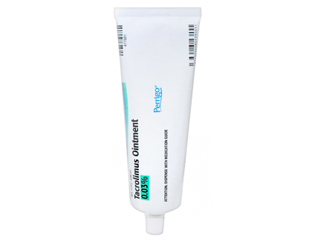
| Available Forms & Strengths | Capsules: 0.5 mg, 1 mg, 5 mg Prolonged-release capsules: 0.5 mg, 1 mg, 3 mg, 5 mg Ointment: 0.03%, 0.1% (mainly for dermatological use; see separate guidance) |
| Manufacturers | Astellas Pharma Ltd., Sandoz Pty Ltd., Accord Healthcare Pty Ltd., Generic manufacturers |
| Prescription Status | Prescription Only Medicine (Schedule 4) |
Mechanism of Action
Simplified Explanation:
Tacrolimus is a type of medicine called an immunosuppressant. It helps to lower the activity of your immune system so your body does not reject a transplanted organ, such as a kidney, liver, or heart.
Specialist Detail:
Tacrolimus binds to the FK-binding protein (FKBP-12), forming a complex that inhibits calcineurin, a phosphatase involved in T-lymphocyte activation. This prevents the transcription of interleukin-2 and other cytokines, reducing T-cell mediated immune responses.
Pharmacokinetics
- Absorption: Oral tacrolimus is variably absorbed (approx. 20-25%) and can be influenced by food.
- Metabolism: Extensively metabolised in the liver by CYP3A enzymes.
- Elimination: Mainly via bile; minor renal elimination (~2%).
- Time to Peak Concentration: Immediate-release: 1-3 hours; prolonged-release: 2-6 hours.
- Half-life: 8-12 hours (immediate-release), up to 43 hours (prolonged-release forms).
- Duration of Action: Usually dosed once to twice daily, depending on the formulation.
Use in Everyday Life and Best Practices
Tacrolimus is usually started and managed under specialist care, such as a transplant or dermatology clinic. It is commonly prescribed to prevent organ rejection after kidney, liver, or heart transplantation and sometimes for severe autoimmune diseases. Patients are typically advised:
- To take the medicine exactly as prescribed, at the same time(s) each day.
- Never to adjust the dose or stop without consulting a healthcare professional.
- To attend regular clinic visits for blood tests that monitor tacrolimus levels and organ function.
- To keep a list of all medicines, including over-the-counter or herbal products, due to interaction risks.
Typical Initial Doses:
- Kidney Transplant (Adults): 0.2 mg/kg/day, split into two doses.
- Liver Transplant (Adults): 0.1–0.2 mg/kg/day, split into two doses.
- Children: Dosing is tailored by specialist paediatricians.
Your doctor may adjust your dose according to blood test results and your response.
Dosing: Morning vs Evening
Most formulations are taken either once daily (morning) or split between morning and evening. It's crucial to take tacrolimus at the same time every day to keep blood levels steady:
- Morning dosing: Helps establish a clear routine and supports timely blood test scheduling—particularly important in Australia, where blood draws are commonly done in the morning.
- Evening dosing: May be preferred for split-dose regimens, especially if prescribed twice daily.
Tip: Use an alarm or medication app if you struggle to remember doses. Never double a missed dose—consult your pharmacist or doctor if you're unsure what to do.
Taking with Food or on an Empty Stomach
Food, particularly meals high in fat, can reduce and slow the absorption of tacrolimus. In Australian clinical guidelines, it's recommended to:
- Take tacrolimus consistently in relation to food (e.g., always before food, or always after food), ideally on an empty stomach for the most predictable absorption.
- Avoid grapefruit and pomelo, as these can dangerously increase tacrolimus levels.
- Maintain a balanced Australian diet; alcohol is best limited due to potential liver stress.
General rule: Take with a glass of water, 1 hour before or 2 hours after a meal for best results.
Interaction Warnings
| Interaction | Type | Advice |
|---|---|---|
| Grapefruit, pomelo | Food | Avoid completely; can dangerously raise tacrolimus blood levels |
| Alcohol | Beverage | Limit; may increase risk of liver toxicity |
| Macrolide antibiotics (e.g., clarithromycin, erythromycin) | Medicine | Raises tacrolimus levels; may need dose adjustment |
| Azole antifungals (e.g., fluconazole) | Medicine | Raises tacrolimus levels; regular monitoring needed |
| Calcium channel blockers (e.g., diltiazem, verapamil) | Medicine | May increase tacrolimus levels |
| St John’s wort | Herbal | Avoid; reduces effectiveness of tacrolimus |
| NSAIDs (e.g., ibuprofen) | Medicine | Increased risk of kidney damage—use only if prescribed |
Indications
| Indication | Status | Notes |
|---|---|---|
| Prophylaxis of organ rejection (kidney, liver, heart) | Approved (PBS-listed) | Standard indication in Australia |
| Treatment of rejection episodes | Approved | Switch from other immunosuppressive agents if needed |
| Autoimmune diseases (e.g., severe atopic dermatitis, nephrotic syndrome) | Off-label | Specialist use only |
Dosing According to Clinical Indications
| Indication | Adults | Children | Elderly |
|---|---|---|---|
| Kidney/liver transplant (initial) | 0.1-0.2 mg/kg/day (split doses), adjusted by levels | 0.2-0.3 mg/kg/day (split doses), adjusted | Start at lower end; monitor for kidney/liver impairment |
| Maintenance (post-transplant) | Usually 0.05-0.1 mg/kg/day (split or once daily) | Individually adjusted | Lower doses may be needed; increased monitoring |
| Autoimmune diseases (off-label) | Individually tailored | Individualised | Extra caution for susceptibility to side effects |
Safety Profile and Side Effects
Common Side Effects
- Tremor, headache
- High blood pressure
- High blood sugar (risk of diabetes)
- Kidney problems (increased creatinine, reduced kidney function)
- Increased risk of infections
- Hair loss
- Diarrhoea, nausea
Occasional/Rare Side Effects
- Severe allergic reactions
- Seizures
- Hearing/vision changes
- Certain cancers (skin cancer, lymphoma; higher risk if used long-term)
Warnings
- Regular blood tests are essential to monitor drug levels and organ health.
- Report any sign of infection (fever, sore throat), unusual bruising, or severe side effects to your doctor immediately.
- Avoid live vaccines while on tacrolimus unless instructed by your healthcare provider.
Guidelines for Proper Use
- Store tacrolimus capsules below 25°C, away from direct sunlight and moisture.
- Do not crush or open the capsules; swallow whole with water.
- Always order your repeat prescription well in advance, as specialised dispensing may take extra days in Australia.
- If you forget a dose and it's less than 6 hours late, take it as soon as you remember; if more, skip and resume at the usual time.
- Plan for extra supplies when travelling or during public holidays.
- Make sure your healthcare team is aware of any other medicines, including herbal or over-the-counter products.
- Sun protection is vital – wear a hat, protective clothing, and sunscreen, as tacrolimus increases skin cancer risk.
Alternative Treatment Options (On PBS)
- Cyclosporin
– Older immunosuppressant; also widely PBS-listed for organ transplant prevention
– May have more cosmetic side effects (gum overgrowth, hair growth), higher risk of high blood pressure - Mycophenolate mofetil
– Often used in combination; similar immunosuppressive effect, fewer nephrotoxic effects but increased GI side effects - Sirolimus (Rapamune®)
– Used in some transplant cases; less nephrotoxicity, but may impact wound healing - Azathioprine
– Used as a steroid-sparing agent in some autoimmune disease
Choice of therapy depends on patient factors, organ type, risk of rejection, and side effect profile. Tacrolimus is currently the mainstay for kidney, liver and heart transplants in Australia due to its efficacy and relatively well-understood profile.
Legal, Registration, and Reimbursement Status in Australia
- Registered with the Therapeutic Goods Administration (TGA)
- Listed on the Pharmaceutical Benefits Scheme (PBS) for approved indications – substantial cost reduction for eligible patients
- Dispensed only with a doctor's prescription (Schedule 4 medication)
- Rebated (funded) for transplant prevention/treatment, as per PBS.
Latest Research and Clinical Guidance (2022–2025)
- Recent Australian and international transplant guidelines confirm tacrolimus as first-line for immunosuppression post-kidney and liver transplantation (Kidney Health Australia, TRANSPLANT Australia Position Statements, 2023).
- Prolonged-release formulations (e.g., Advagraf®) offer improved convenience with once-daily dosing and similar efficacy to twice-daily forms (Australian Prescriber, 2023).
- Studies continue to monitor for long-term side effects, particularly new-onset diabetes and malignancy; regular cancer screening recommended (BMJ Transplantation Reviews, 2024).
- Off-label uses, such as in severe atopic dermatitis and lupus nephritis, are being explored but should remain specialist-initiated (Australasian Society of Clinical Immunology and Allergy, 2022-2025).
Availability and Delivery
| Form/Strength | Typical Pack Size | Indicative PBS Price | Delivery to Major Cities |
|---|---|---|---|
| 0.5 mg, 1 mg, 5 mg (caps) | 50 capsules | PBS co-payment (approx. $30 for General, $7 for Concession) | Sydney, Melbourne, Brisbane: 1–2 days; Perth, Adelaide, Hobart: 2–3 days |
| Ointment 0.03%, 0.1% | 30g, 60g tubes | Varies; non-PBS for most skin indications | Same as above |
Order early to avoid running out. Remote/rural delivery may take longer—ask your pharmacy for advice.
Frequently Asked Questions (FAQ)
- What should I do if I miss a dose?
If it's less than 6 hours since your usual dose, take it as soon as you remember. If it's more than 6 hours, skip and take your next dose as normal. Never double up. Contact your pharmacist or doctor if you're unsure. - Can I take tacrolimus with other medicines?
Some medicines, herbs, or foods can interact. Always check with your pharmacist before starting anything new. Avoid grapefruit, pomelo, St John’s wort, and speak to your doctor about any antibiotic or antifungal treatments. - Is it safe during pregnancy or breastfeeding?
Tacrolimus should only be used during pregnancy or breastfeeding if clearly needed and on specialist advice. Your care team will discuss risks and monitoring with you. - Do I need to avoid certain activities?
You can generally continue daily life but avoid excessive sun exposure (wear sunscreen) and take extra hygiene measures to avoid infection. Check with your doctor before getting any new vaccinations. - How long will I need to take tacrolimus?
For organ transplant, most people need to continue indefinitely unless switched by the specialist. In autoimmune disease, the length of therapy varies—discuss with your treating team.
For further information or specific questions, please consult your specialist, pharmacist, or the Patient Medicines Information (PMI) leaflet supplied with your medication.