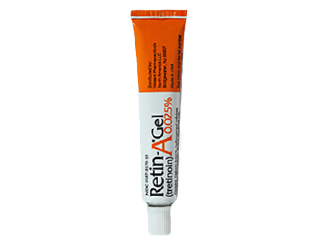
Retin-A Gel (Tretinoin) – Comprehensive Patient Information
Basic Product Information
- International Nonproprietary Name (INN): Tretinoin
- Common Australian Brand Names: Retin-A Gel, Stieva-A, Retrieve
- ATC Code: D10AD01
- Available Forms and Strengths:
- Gel: 0.01%, 0.025%, 0.05%
- Cream: 0.025%, 0.05%
- Lotion: 0.05%
- Manufacturers: Janssen-Cilag, Oratane, Ego Pharmaceuticals, and others
- Prescription Status: Retin-A and other topical tretinoin products are prescription-only medicines (Schedule 4) in Australia
Mechanism of Action
Simplified explanation for patients: Tretinoin is a form of vitamin A. It works by increasing the turnover of skin cells, helping old, damaged skin cells shed more quickly so new, healthy cells come to the surface. This helps clear up acne, improve skin texture, and reduce wrinkles and dark spots.
Specialist details: At the cellular level, tretinoin activates nuclear retinoic acid receptors (RARs), which modulate gene expression involved in cell growth, differentiation, and inflammation. In acne, tretinoin normalises follicular keratinisation, reduces microcomedone formation, and exhibits anti-inflammatory properties.
Pharmacokinetics
- Absorption: Minimal systemic absorption with topical use (less than 2% of dose applied).
- Metabolism: Extensively metabolised in the liver (when absorbed) via cytochrome P450 enzymes, especially CYP26.
- Elimination: Excreted in bile and urine as metabolites.
- Duration of Action: Effects last as long as regular application is continued. Benefits are maintained with ongoing use.
Use in Everyday Life and Best Practices
How to Use Retin-A Gel:
- Cleanse your face gently with a mild, non-irritating cleanser. Pat dry and wait 20–30 minutes until skin is fully dry.
- Apply a pea-sized amount of gel to the affected areas using clean fingertips, avoiding the eyes, lips, and corners of the nose.
- Use only as directed—usually once daily at night unless otherwise prescribed by your doctor.
- Moisturize after application if you experience dryness or irritation, using a non-comedogenic (non-pore-clogging) moisturiser.
- Always wear sunscreen (SPF 30+) in the day, as tretinoin increases skin sensitivity to sunlight, which is particularly relevant for Australia’s outdoor lifestyle.
Avoid harsh cleansers, scrubs, and products containing alcohol, benzoyl peroxide, salicylic acid, or astringents during treatment.
Dosing: Morning vs Evening Application
- Evening (recommended): Tretinoin is best applied at night. Sunlight can degrade tretinoin, making it less effective and increasing the risk of irritation or sunburn.
- Morning: Not recommended unless specifically instructed by your doctor. If accidental daytime use occurs, apply broad-spectrum sunscreen and avoid direct sunlight.
- Tips for Regular Use: Set a reminder or keep your tretinoin by your evening skincare products. Skipping applications may slow progress; consistent use leads to better results.
Effect of Meals and Australian Dietary Habits
- Tretinoin is for external (topical) use only; do not ingest or apply inside the mouth or nose.
- Food and dietary habits have no direct effect on topical tretinoin. Do not apply immediately after consuming hot foods or beverages if risk of contact with the mouth or lips.
- No impact from Australian or English diet on tretinoin’s effectiveness or metabolism when used as directed.
Interaction Warnings
| Interaction | Details | Advice |
|---|---|---|
| Other acne medications | Products with benzoyl peroxide, salicylic acid, sulphur, resorcinol may increase irritation | Use at different times or avoid concurrent use |
| Alcohol (topical) | Topical products with alcohol can worsen dryness | Avoid combining on treated areas |
| Harsh skincare/peels | Facials, waxing, and strong exfoliants may increase sensitivity | Pause tretinoin before/after these treatments |
| Medications causing photosensitivity | Some antibiotics (tetracycline), NSAIDs, thiazides | Use extra sun protection; consult GP/pharmacist |
| Pregnancy/Breastfeeding | Potential risk for birth defects | Seek advice before use; not routinely recommended |
Indications for Use
| Official Indications (TGA approved) | Common Off-label Uses |
|---|---|
|
|
Dosing According to Clinical Indication
| Population | Indication | Typical Dose |
|---|---|---|
| Adults | Acne, photoageing, hyperpigmentation | Apply a thin layer of 0.025%–0.05% gel/cream once nightly |
| Paediatric (12+) | Acne vulgaris | Apply 0.01%–0.025% gel once nightly (lower strengths for sensitive skin) |
| Elderly | Photoageing, hyperkeratosis | Start with 0.025% gel/cream once every 2–3 nights; increase if tolerated |
Safety Profile and Side Effects
| Side Effect | Frequency | Details and Advice |
|---|---|---|
| Skin redness, peeling, dryness | Common (up to 50%) | Usually mild and temporary; use moisturiser and reduce frequency if needed |
| Itching, burning, stinging | Common | Typically subsides within 2–4 weeks; see GP if severe |
| Skin sensitivity to sunlight | Common | Use sunscreen daily; limit sun exposure, wear hats |
| Hyperpigmentation (darkening) | Uncommon | Usually reversible; discuss with your doctor if persistent |
| Blistering, severe irritation/dermatitis | Rare | Discontinue and seek medical advice promptly |
| Allergic reaction (swelling, severe rash) | Very rare | Stop using and contact doctor immediately |
Guidelines for Proper Use – Practical Australian Advice
- Always use at night. Sunlight in Australia is strong and increases risk of sunburn.
- Apply to clean, dry skin only—a damp face increases absorption and irritation.
- Start with a lower strength or use every second/third night if new to tretinoin.
- Wear SPF 30+ sunscreen daily; reapply every 2 hours when outdoors, even on cloudy days.
- Pause before waxing, chemical peels, or laser treatments to reduce injury.
- Inform your pharmacist or GP if you use other medicines on the skin—especially for acne, eczema, or other conditions.
- Store below 25°C; do not freeze. Keep out of reach of children.
- If you miss a dose, skip and apply as usual the next night—do not double up.
Alternative Treatment Options
- Topical retinoids: Adapalene (brand: Differin). Pros—less irritating; cons—slightly weaker in photoageing.
- Azelaic acid: Pros—suitable for sensitive skin, rosacea, and post-inflammatory hyperpigmentation; cons—slower effect on acne.
- Benzoyl peroxide:** Pros—effective against inflammatory acne; cons—may bleach fabrics, can be drying, often prescribed in combination with topical antibiotics.
- Topical antibiotics: Useful in short-term acne management. Cons—risk of resistance.
- Oral treatments: Antibiotics (doxycycline, minocycline), oral retinoids (isotretinoin) for severe cases.
- Physical/laser therapies: For resistant, cystic acne or marked photoageing (usually private/non-reimbursed).
Legal, Registration, and Reimbursement Status in Australia
- Legal status: Schedule 4 prescription medicine (Rx required)
- Registration: Registered with the Australian Therapeutic Goods Administration (TGA)
- Reimbursement: Limited on the Pharmaceutical Benefits Scheme (PBS); PBS subsidised mainly for treatment of acne (subject to specific clinical criteria)
- Private prescription: Available from community pharmacies upon presentation of a valid Australian prescription
Latest Research and Clinical Guidelines (2022–2025)
- Topical tretinoin remains the gold standard for comedonal acne and photoageing (Australian acne guidelines 2023; Dreno B. et al., J Eur Acad Dermatol Venereol. 2022).
- Recent studies highlight incremental skin barrier benefits when combined with moisturisers from the start of therapy (Feldman S et al., Dermatol Ther. 2023).
- For pigmentation, combination with topical hydroquinone or azelaic acid improves outcomes (EADV consensus 2023).
- In pregnancy: Topical tretinoin use is not routinely recommended due to limited safety data (Therapeutic Guidelines: Dermatology; TGA; MIMS Australia 2024).
For further information, discuss with your Australian dermatologist, GP, or pharmacist.
Availability and Delivery
| Pack Size | Form/Strength | Indicative PBS/Private Price (2024) | Typical Online/Home Delivery Times |
|---|---|---|---|
| 20g | Gel 0.025% | $18 (PBS subsidised), $28–$35 (private) | Sydney—Next day; Melbourne—1–2 days; Brisbane—2–3 days; Perth/Adelaide—3–5 days |
| 30g | Cream 0.05% | $20 (PBS), $30–$40 (private) | State capitals—1–3 days; regional/rural—up to 7 days |
Frequently Asked Questions (FAQs)
- When will I start to see results with Retin-A Gel?
Most people notice improvement in acne or skin texture after 6–8 weeks of consistent nightly use. For pigmentation or anti-ageing, visible effects may take 3–6 months. It is important to continue as directed by your doctor. - Can I use Retin-A Gel with my usual skincare products?
Yes, but avoid harsh cleansers, exfoliants, or products with active ingredients like AHA, BHA, or vitamin C at the same time. Use a gentle moisturiser and always apply sunscreen in the morning. - Is it safe to use Retin-A Gel if I am pregnant or breastfeeding?
Tretinoin use in pregnancy or breastfeeding is not routinely recommended in Australia. Consult your GP or pharmacist before use. - What should I do if my skin becomes very irritated or burns?
Stop using the gel, moisturise, and contact your pharmacist or doctor. You may be advised to use the product less often or switch to a lower strength. - Do I need to use sunscreen?
Yes—daily use of broad-spectrum SPF 30+ sunscreen is strongly recommended throughout tretinoin therapy, as your skin will be more sensitive to sun.
Always use Retin-A Gel exactly as directed by your doctor or pharmacist. For more information, check with your pharmacist or speak to your GP for personalised advice.