
Xenical (Orlistat) – A Comprehensive Guide for Australia Patients
Basic Product Information
| International Nonproprietary Name (INN) | Orlistat |
|---|---|
| Australian Brand Names | Xenical, Orlistat Sandoz |
| ATC Code | A08AB01 |
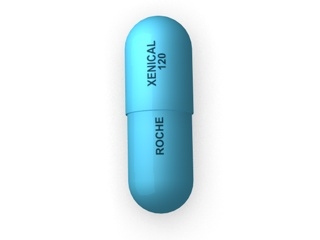
| Available Forms & Strengths | Capsules: 120 mg |
| Manufacturers | Roche Products Pty Ltd (Xenical), Sandoz Pty Ltd (Orlistat Sandoz) |
| Prescription Status | Pharmacist-only medicine (Schedule 3) for Xenical in 120 mg capsules, available without a prescription for overweight adults, but pharmacist consultation is required. |
Mechanism of Action
For Patients: Orlistat works in your digestive system by blocking the absorption of some of the fat you eat. It does this by inhibiting an enzyme called lipase, which is needed to break down dietary fat. As a result, about one-third of the fat from your food is passed out of your body instead of being absorbed, which helps with weight loss.
For Healthcare Professionals: Orlistat is a potent, reversible inhibitor of gastrointestinal lipases that acts locally in the gut. By binding covalently to the active serine site of gastric and pancreatic lipase, it renders the enzyme inactive and prevents triglyceride hydrolysis. This reduces caloric intake and supports negative energy balance, crucial in weight management protocols.
Pharmacokinetics
- Absorption: Minimal systemic absorption (<1%). The effect is largely local in the gastrointestinal tract.
- Metabolism: Undergoes rapid hydrolysis; metabolites have negligible activity.
- Elimination: Mostly excreted unchanged in faeces (approximately 97%).
- Duration of Action: Each dose blocks fat absorption for around 24 hours; however, clinical effect is dose-dependent per meal.
Everyday Use and Best Practices in Australia
Orlistat is typically recommended for adults (18 years and older) with a BMI of 30 or greater, or 27 or greater with weight-related risk factors (e.g. type 2 diabetes, hypertension, high cholesterol). It is an adjunct to a reduced-energy, low-fat diet and increased physical activity, aligned with healthy Australia dietary guidelines.
- Typical Dose: 120 mg capsule, taken with each main meal containing fat (maximum 3 times a day).
- If a meal is missed or contains no fat: Skip the Orlistat capsule for that meal.
- Duration: Should be regularly reviewed with your doctor and discontinued if meaningful weight loss is not achieved after 12 weeks.
- Long-term Use: Maximum recommended duration is 1–2 years, depending on clinical supervision and response.
- Lifestyle Support: Enrolment in a lifestyle modification program is recommended for optimal outcomes.
Access to Orlistat in Australia is through community pharmacies, with trained pharmacists providing mandatory counselling and regular monitoring.
Dosing: Morning vs Evening
- Orlistat should be taken with each main meal containing fat, irrespective of time of day. For most Australians, this typically means breakfast, lunch, and dinner.
- Tip for Regularity: Try to take Orlistat at consistent meal times for better routine and effect.
- Morning vs Evening: There is no clinical advantage to particular timing—focus is on meals with fat content, not time of day.
- If you occasionally have a light or very low-fat meal: Skip the dose for that meal to avoid unnecessary medication and possible side effects.
Taking with Food or on an Empty Stomach
- Orlistat is effective only when fat is present in the meal. Taking it on an empty stomach or with very low-fat meals provides no added benefit.
- Australian Dietary Habits:
- Be mindful of common sources of hidden fats, such as in pastries, fast food, and processed snacks.
- Adjusting cooking methods to grilling, steaming, or baking will support fat restriction and reduce adverse effects.
- Do not double-dose if you miss a meal.
Interaction Warnings
| Interacting Substance | Effect/Recommendation |
|---|---|
| Cyclosporin | Decreased absorption; avoid or monitor closely |
| Warfarin or other anticoagulants | May alter INR; monitor clotting status regularly |
| Levothyroxine | Possible reduced thyroid hormone absorption; separate by at least 4 hours |
| Antiepileptic drugs | Risk of reduced seizure control; monitor symptoms and drug levels |
| Multivitamins (A, D, E, K) | Fat-soluble vitamin absorption may be reduced; take supplement at least 2 hours after Orlistat or at bedtime |
| Alcohol | No direct interaction, but alcohol adds calories and may undermine weight loss efforts |
| Other medicines (e.g. oral contraceptives, amiodarone, HIV medications) | Possible interactions; consult pharmacist or doctor for advice |
Indications
| Indication | Status | Comments |
|---|---|---|
| Obesity management (BMI ≥30, or ≥27 with risk factors) | Approved | Main approved use in Australia |
| Prevention of type 2 diabetes in obese patients | Off-label | Sometimes used as adjunct; benefit in high-risk groups |
| Polycystic ovary syndrome (PCOS) weight management | Off-label | May be considered for overweight women to improve metabolic profile |
Dosing According to Clinical Indication
| Population | Indication | Recommended Dose | Comments |
|---|---|---|---|
| Adults | Obesity | 120 mg capsule with each main meal containing fat (max 3/day) | Standard protocol |
| Adolescents (12–17 years)* | Obesity | 120 mg capsule TID with meals | Specialist supervision only. Monitor growth and fat-soluble vitamins |
| Elderly (>65 years) | Obesity | 120 mg capsule TID with meals | Limited data; use with caution and review renal/hepatic function |
*Orlistat is not routinely recommended for children under 12 years.
Safety Profile / Side Effects
| Side Effect | Frequency | Notes / Severity |
|---|---|---|
| Oily spotting, flatulence with discharge | Common | Usually mild, related to high fat intake |
| Urgency to open bowels, steatorrhoea (fatty stools) | Common | Reduce by lowering dietary fat |
| Abdominal pain, discomfort | Occasional | Monitor; usually self-limiting |
| Headache | Occasional | Non-specific |
| Fat-soluble vitamin deficiency (A, D, E, K) | Rare | Long-term use; monitor in vulnerable patients |
| Hepatic injury (elevated liver enzymes, rare liver failure) | Very rare | Seek immediate medical advice if symptoms develop |
| Allergic reactions (rash, swelling, difficulty breathing) | Rare | Stop and get emergency help |
- Most side effects are gastrointestinal and improve when fat intake is reduced.
- Proper counselling, dietary adjustments, and vitamin monitoring minimise risks.
Guidelines for Proper Use – Australia Context
- Only begin or continue Orlistat after diet and activity modification have been trialled.
- Follow the Australian Dietary Guidelines; focus on healthy, low-fat eating.
- Monitor weight loss and side effects regularly with your pharmacist or doctor.
- Take a daily multivitamin supplement at bedtime to prevent deficiencies.
- Report any unusual symptoms, especially jaundice, severe itching, or allergic reactions.
- Ensure Orlistat use is part of an overall weight management programme.
- Stay hydrated and include fibre in your diet to help regulate bowel habits.
- Orlistat capsules should be swallowed whole with water; do not split or chew.
- Keep medication out of reach of children and store below 25°C.
Alternative Treatment Options
- Other Medications:
- Phentermine (Duromine): Centrally-acting appetite suppressant; prescription only; short-term use; may elevate blood pressure or heart rate. Not suitable for people with heart disease.
- Liraglutide (Saxenda): Once-daily injection; supports weight loss through appetite regulation; prescription only; PBS restrictions apply; monitor for gastrointestinal and pancreatic side effects.
- Semaglutide (Wegovy, Ozempic): GLP-1 agonist injection; may be used for obesity or type 2 diabetes; specialist initiation required.
- Non-Drug Options: Lifestyle intervention (dietitian-supervised programs), medical weight loss clinics, bariatric surgery for select patients (e.g. gastric bypass, sleeve gastrectomy, available via the public system with strict criteria).
- Comparison: Orlistat is oral, has a well-known safety profile, and works by blocking fat absorption. Appetite suppressants or injectable GLP-1 analogues act systemically and may be more effective for motivated patients with diabetes/metabolic syndrome but have more contraindications and require closer medical monitoring.
Legal, Registration, and Reimbursement Status in Australia
- Regulatory Status: Listed as a Schedule 3 pharmacist-only medicine by the Therapeutic Goods Administration (TGA), Australia. Available over the counter with pharmacist counselling for adults only.
- Accessibility: Not listed on the Pharmaceutical Benefits Scheme (PBS); not reimbursed by Medicare or National Health Programs for weight loss in the general population.
- Private Health: Some policies may subsidise in specific clinical obesity management programs; check with your provider.
- Pharmacy Supply: Australian community pharmacies; product traceability ensured by mandatory record-keeping and supply limits per patient.
Latest Research and Clinical Guidance (2022–2025)
- Recent Australian and international guidelines confirm Orlistat remains a first-line pharmacotherapy for obesity after lifestyle therapy, especially in patients with contraindications to centrally-acting agents (Australian national clinical guidelines, 2023).
- 2023 systematic reviews (Australian Journal of General Practice, BMJ Open) confirm mean weight loss is 3–5% greater than placebo after 6–12 months, and sustained for up to two years with lifestyle support.
- Real-world studies highlight improved weight-related quality of life and glycaemic control in type 2 diabetes and pre-diabetes patients, especially when used as part of a structured programme.
- Clinical evidence also supports its use in selected adolescent and older adult patients with specialist oversight.
Availability and Delivery in Australia
| Pack Size | Typical Price Range (AUD) | Delivery Times (Major Cities) |
|---|---|---|
| 42 capsules (2 weeks supply) | $49 – $55 | Sydney: 1–2 days, Melbourne: 1–2 days, Brisbane: 2–3 days |
| 84 capsules (1 month supply) | $95 – $110 | Perth: 3–5 days, Adelaide: 2–3 days, Hobart: 3–5 days |
- Available in most suburban and city pharmacies; online pharmacy delivery available with pharmacist advice and mandatory patient consent.
- Keep your purchase receipt and consult your pharmacist for any queries regarding supply or delivery.
Frequently Asked Questions (FAQ)
1. Can I use Orlistat if I have diabetes or high blood pressure?
Yes, Orlistat can be used if you have type 2 diabetes or high blood pressure. In fact, weight loss can help control these conditions. However, it is important to have close medical supervision, as your diabetes medications or blood pressure tablets may need adjustment as you lose weight.
2. Will Orlistat reduce my appetite?
No, Orlistat does not affect appetite or make you feel full. It works purely by preventing fat absorption from your meals. Appetite suppressants belong to a different class of medicines.
3. Are there foods I must avoid while taking Orlistat?
No foods are specifically forbidden, but eating high-fat meals increases the likelihood of unpleasant side effects (e.g. oily stools, diarrhoea). Aiming for less than 30% of your calories from fat—consistent with Australian Dietary Guidelines—will enhance weight loss and comfort.
4. What should I do if I miss a dose?
If you forget to take a dose with a meal, you can take it within one hour, otherwise skip that dose and continue as normal at your next meal. Do not double up to make up for a missed capsule.
5. Will Orlistat affect my ability to drive or operate machinery?
No, Orlistat does not affect attention, alertness, or coordination. You are safe to drive and use machinery unless you experience rare severe side effects (such as severe gastrointestinal upset or allergic reaction).