Vitamin C (Ascorbic Acid): Comprehensive Patient Information
Basic Product Information
| International Nonproprietary Name (INN) | Ascorbic Acid |
| Common Brand Names in Australia | Redoxon®, Blackmores Vitamin C, BioCeuticals Liposomal C, Swisse Vitamin C |
| ATC Code | A11GA01 |
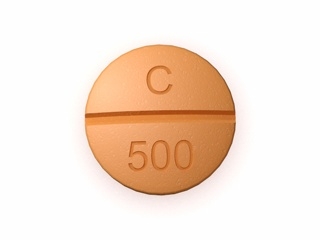
| Available Forms and Strengths | Tablets: 100 mg, 500 mg, 1000 mg; Chewable tablets: 250 mg, 500 mg; Powders: 1000 mg/sachet; Effervescent tablets: 500 mg, 1000 mg; Oral solution: 500 mg/5 mL; Injectable form: 500 mg/5 mL (hospital use only) |
| Common Manufacturers | Bayer, Blackmores, Swisse, BioCeuticals, Ethical Nutrients, Ethical Pharmaceuticals |
| Prescription Status | Over-the-counter (OTC) for oral forms; Prescription required for injectable and high-dose formulations |
Mechanism of Action
For Patients: Vitamin C helps the body in many ways: it supports the immune system, helps wounds heal, keeps skin and tissues healthy, and boosts the absorption of iron from food. It is a powerful antioxidant, meaning it protects your cells from damage caused by free radicals.
For Specialists: Ascorbic acid is a water-soluble vitamin acting as a cofactor for several enzymes involved in collagen synthesis (proline and lysine hydroxylation), neurotransmitter synthesis, tyrosine metabolism, and carnitine biosynthesis. It enhances non-haem iron intestinal absorption by reducing ferric to ferrous iron and serves as an antioxidant by neutralising reactive oxygen species.
Pharmacokinetics
- Absorption: Rapidly absorbed from the small intestine via active transport (SVCT1 and SVCT2 carriers); bioavailability decreases with increasing doses (>200 mg).
- Distribution: Widely distributed to all tissues, highest in leukocytes, adrenal glands, and eyes.
- Metabolism: Partially metabolised to oxalic acid and ascorbate-2-sulfate in the liver.
- Elimination: Renal (urinary) excretion, excess vitamin C is rapidly excreted, minimising risk of toxicity.
- Duration of Action: Plasma half-life is 10–20 days; daily intake is necessary as the body does not store large amounts.
Use in Everyday Life and Best Practices (Australia Context)
- Australians typically obtain vitamin C from a balanced diet with plenty of fruits (e.g., oranges, kiwifruit, strawberries) and vegetables (e.g., capsicums, broccoli, kale).
- Supplements are used when dietary intake is inadequate, during periods of increased need (e.g., illness, pregnancy), or for people at risk of deficiency (e.g., elderly, smokers, people with chronic diseases).
- Typical Adult Dose: 250–1000 mg daily, tailored to individual needs and supplement strength.
- Chewable and effervescent tablets may be taken without water or dissolved, for those with swallowing difficulties.
- The National Health and Medical Research Council (NHMRC) recommended daily intake: 45 mg/day for adults; higher doses may be clinically indicated under supervision.
Dosing in the Morning vs Evening
- Morning use: Helps with daily routine, may reduce forgotten doses, aligns with the body's natural circadian rhythm for nutrient absorption.
- Evening use: Generally safe, but large doses may cause mild stimulation in some people, potentially interfering with sleep due to vitamin C’s gentle energising effect.
- Tip: Consistency is key. Take your supplement at the same time each day to build a regular habit.
Taking with Food or On an Empty Stomach
- With Food: May help reduce gastrointestinal upset (e.g., nausea, stomach cramps), especially at doses >500 mg.
- On an Empty Stomach: Slightly better absorption, but may increase risk of minor stomach upset.
- Given Australia’s diet rich in fruit and vegetables, vitamin C is often taken with breakfast or lunch.
- Advice: If you have a sensitive stomach, take vitamin C with or after food. Drink plenty of water.
Interaction Warnings
| Interaction | Details and Advice |
| Aluminium-containing antacids | Vitamin C increases aluminium absorption—use caution, especially in kidney impairment. |
| Anticoagulants (Warfarin) | High-dose vitamin C may reduce warfarin effectiveness—monitor INR regularly. |
| Chemotherapy drugs | High doses of vitamin C may interact with certain cancer medications—consult oncologist. |
| Iron supplements | Vitamin C increases iron absorption—may be beneficial, use as directed by your doctor. |
| Alcohol | Heavy drinking reduces vitamin C levels; moderate alcohol use has no significant interaction. |
| Foods high in copper | Vitamin C can reduce the absorption of copper—generally not significant with a normal diet. |
Indications
| Official (TGA-approved) | Off-label/Other |
- Prevention and treatment of vitamin C deficiency (scurvy)
- Supplementation during increased physiological need (e.g., pregnancy, breastfeeding, infection, recovery from surgery)
| - Supporting immune function (e.g., during colds or flu)
- Adjunct in wound healing and post-surgical recovery
- Support in iron-deficiency anaemia (to boost iron absorption)
- Antioxidant support for smokers and elderly
|
Dosing According to Clinical Indications
| Indication | Adults | Children (6–12 yrs) | Elderly |
| Prevention of deficiency | 45–90 mg daily | 35–45 mg daily | 45–90 mg daily |
| Treatment of deficiency (scurvy) | 100–500 mg daily (up to 2 g if severe), for 1–2 weeks | 100–300 mg daily for 1–2 weeks | Same as adults |
| Immune support / adjunctive therapy | 250–1000 mg daily | 100–250 mg daily | 250 mg daily |
| Iron absorption support | 100–200 mg at mealtimes with iron supplement | 50–100 mg at mealtimes | 100–200 mg |
Safety Profile / Side Effects
| Common | Less Common / Rare | Warnings |
- Gastrointestinal upset (nausea, cramps, diarrhoea, especially at >1000 mg/day)
- Heartburn
- Headache
| - Kidney stones (risk increased in those predisposed and with very high doses)
- Iron overload (in people with hereditary haemochromatosis)
- Allergic reactions (rare)
| - Avoid large doses (>2,000 mg/day) unless under medical supervision
- Diabetics: very high doses may affect blood glucose monitoring
- Renal impairment: monitor dose carefully
|
Guidelines for Proper Use (Pharmacist or Clinic Advice)
- Store vitamin C supplements in a cool, dry place away from sunlight and out of reach of children.
- Follow the dosing as indicated on your package label or as advised by your pharmacist or doctor.
- Extra vitamin C is not stored in the body—high doses may just be excreted in urine, so “more” is not always “better.”
- Let your healthcare provider know if you are pregnant, breastfeeding, taking other supplements/medications, or have a chronic medical condition (e.g., kidney stones, haemochromatosis).
- Chewable and effervescent tablets contain sugar or sweeteners—check ingredients if you have dietary restrictions (diabetes, phenylketonuria, etc).
- If you miss a dose, take it as soon as you remember, but do not double-up.
Alternative Treatment Options
- Dietary management: Increasing intake of fresh fruits (e.g., oranges, berries), vegetables (e.g., capsicums, kale), which are naturally high in vitamin C.
- Combined multivitamin supplements: Multivitamin products containing vitamin C, available at most pharmacies; often convenient for people with multiple micronutrient requirements.
- Liposomal vitamin C: Specialist form reported to have improved absorption; usually non-subsidised (private purchase).
- Food fortification: Some breakfast cereals and juices are fortified with vitamin C and may be considered.
- Reimbursement (PBS): Dietary supplements, including vitamin C, are generally not reimbursed by the Pharmaceutical Benefits Scheme (PBS); hospital prescriptions for deficiency may be an exception.
Legal, Registration, and Reimbursement Status in Australia
- Registered under the Therapeutic Goods Administration (TGA) as an over-the-counter medicine (oral, for prevention/treatment of deficiency).
- Prescription-only for high-dose (e.g., injectable) formulations and certain clinical conditions.
- Dietary supplements are not subsided for the general public under the PBS; however, hospital supply for severe deficiencies (e.g., scurvy) may be covered.
- Products must comply with Australian labelling and manufacturing standards (GMP), and are sold in pharmacies, supermarkets, and health food stores.
Latest Research and Clinical Guidance (2022–2025)
- Recent systematic reviews (e.g., Cochrane review 2023, BMJ 2024) confirm that regular vitamin C supplementation does not prevent common cold in the general population, but may reduce cold duration and severity in those under heavy physical stress (e.g., athletes) [References: Hemilä H, Chalker E. Cochrane Database Syst Rev. 2023].
- High-dose vitamin C remains under study for roles in COVID-19 and sepsis management. (Australian guidelines do not currently recommend vitamin C for COVID-19 outside clinical trials).
- All major guidelines emphasise balanced dietary intake and supplement use primarily for those at risk of deficiency (smokers, elderly, people with restrictive diets).
Availability and Delivery
| Pack Size | Approximate Retail Price (AUD) | Delivery Time (Sydney) | Delivery Time (Melbourne) | Delivery Time (Brisbane) | Delivery Time (Perth) |
| 30 tablets (500 mg) | $7 – $12 | 1–2 days | 1–2 days | 2–3 days | 2–4 days |
| 100 tablets (1000 mg) | $18 – $28 | 1–2 days | 1–2 days | 2–3 days | 2–4 days |
| 60 chewable tablets (500 mg) | $14 – $20 | 1–2 days | 1–2 days | 2–3 days | 2–4 days |
Availability may vary. For other cities and remote areas, delivery may take up to 5–7 business days. Most Australian online pharmacies offer click-and-collect or home delivery options.
Frequently Asked Questions (FAQ)
- Q: Will vitamin C stop me from getting a cold?
A: Vitamin C won’t prevent colds in most people, but some people (such as those under heavy physical stress) may benefit from regular supplementation. Vitamin C may slightly shorten how long a cold lasts and reduce its severity. - Q: Is it safe to take vitamin C every day?
A: Yes, for most people, daily use of vitamin C at recommended doses is safe. Excess is usually passed in urine. Do not exceed 2,000 mg per day without a doctor’s advice due to potential side effects. - Q: Can I take vitamin C if I am pregnant or breastfeeding?
A: Yes, when taken at recommended daily levels. Very high doses should be avoided during pregnancy. If you have questions or health conditions, talk to your doctor or pharmacist before starting any supplement. - Q: Should I stop vitamin C if I have kidney stones?
A: If you have a personal or family history of kidney stones, consult your doctor before taking high-dose vitamin C. Normal dietary intake is usually safe, but high supplement doses may increase risk. - Q: Can children take vitamin C supplements?
A: Yes, but the dose is lower than for adults. Always follow dosing instructions specific to your child’s age group, and when in doubt, check with a healthcare professional.
Note: This information is a guide and not a substitute for medical advice. Always consult your pharmacist or doctor if you have specific questions about vitamin C or any supplement.