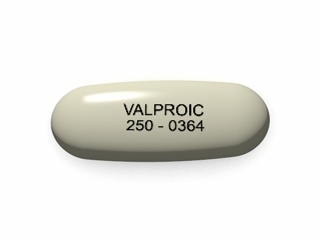

Valparin (Valproic Acid): Patient Information
Basic Product Information
| International Non-proprietary Name (INN) | Valproic Acid |
|---|---|
| Common Australia Brand Names | Valparin, Epilim, Valpro, Valproate Winthrop |
| Anatomical Therapeutic Chemical (ATC) Code | N03AG01 |
| Available Forms and Strengths | Tablets (200 mg, 300 mg, 500 mg), Syrup (200 mg/5 mL), Oral Solution, Prolonged-release Tablets |
| Manufacturers | Sanofi, Sun Pharma, Aspen Pharmacare, Winthrop, others |
| Prescription Status | S4 - Prescription Only Medicine (PO) |
In Australia, Valproic Acid is available under several brand names and must be prescribed by a registered healthcare professional. It is listed on the Pharmaceutical Benefits Scheme (PBS) for certain indications.
Mechanism of Action
- For Patients: Valproic Acid works by stabilising the electrical activity in your brain, which helps prevent seizures and mood swings.
- For Specialists: It increases gamma-aminobutyric acid (GABA) levels in the brain by inhibiting GABA transaminase and possibly blocking sodium channels, thus reducing neuronal excitability.
Pharmacokinetics
- Absorption: Well absorbed after oral use (bioavailability >90% for tablets and syrup).
- Metabolism: Extensively metabolised in the liver via glucuronidation and mitochondrial β-oxidation; 30–50% protein-bound (plasma albumin).
- Elimination: Primarily excreted in urine as metabolites.
- Onset and Duration: Onset within 2–4 hours; half-life 8–20 hours (longer in children, hepatic or elderly impairment).
Use in Everyday Life and Best Practices
Valparin is commonly prescribed for epilepsy, bipolar disorder, and prevention of migraine headaches. It is vital to take your medication at the same time each day for best results. Do not suddenly stop taking Valparin, as this can trigger seizures or mood changes. You should follow your doctor’s instructions closely and return for regular blood tests to monitor your health.
- Typical Adult Doses: Usually 400–2,000 mg daily in divided doses (commonly given twice daily).
- How to Use: Swallow tablets whole with water; do not crush or chew prolonged-release forms. Syrup/oral solution doses are measured with the supplied dosing device.
- Missed Dose: Take as soon as possible unless it is almost time for the next dose. Do not double up doses.
Dosing: Morning vs Evening
- Twice daily dosing (morning and evening) is typical for standard formulations, which helps maintain stable blood levels and reduce side effects.
- Long-acting or prolonged-release tablets may be taken once or twice daily. Evening dosing can help reduce drowsiness during the day.
- Consistency is key—try to take your medicine at the same time each day to maintain steady levels.
Tip: Set an alarm or use a pill dispenser to help remember your medication, especially if your routine changes or you travel.
Taking with Food or on an Empty Stomach
- Valparin can be taken with or after meals to reduce stomach upset—this is a common recommendation in Australia and fits with local eating habits.
- If you experience nausea, try taking it with a light meal or snack (e.g., toast, fruit). Heavy, fatty meals are not required.
- The absorption of Valparin is not significantly affected by food, but regular timing helps.
Interaction Warnings
Valparin can interact with certain foods, alcohol, and a range of medications. Always consult your doctor or pharmacist before starting any new prescription, over-the-counter, or herbal product.
| Substance or Category | Interaction/Advice |
|---|---|
| Alcohol | May increase drowsiness or risk of liver damage; avoid or limit alcohol consumption. |
| Enzyme-inducing medicines (e.g., phenytoin, carbamazepine, phenobarbital) | Can decrease Valparin's effectiveness by increasing metabolism. |
| CNS depressants (e.g., benzodiazepines, antipsychotics) | Increased risk of sedation and respiratory suppression. |
| Aspirin | Can increase risk of side effects due to protein-binding displacement; use with caution, especially in children. |
| Oral contraceptives | No major pharmacokinetic interaction, but women of childbearing potential should discuss adequate contraception due to Valproic Acid’s teratogenic risk. |
| Antibiotics | Some can affect liver metabolism; always check with your pharmacist. |
| Herbal supplements | St John's Wort can reduce effectiveness. Seek medical advice before use. |
Indications
| Condition | Official Indication | Off-label/Other Use |
|---|---|---|
| Epilepsy (all types) | Yes | No |
| Bipolar disorder (maintenance) | Yes | No |
| Migraine prophylaxis | Yes | No |
| Other psychiatric uses (e.g., schizoaffective disorder) | No | Yes (in select, specialist-directed contexts) |
| Neuropathic pain | No | Occasionally, under specialist care |
Dosing According to Clinical Indications
| Indication | Age Group | Initiation Dose | Usual Maintenance Dose | Maximum Dose | Comments |
|---|---|---|---|---|---|
| Epilepsy | Adults | 300–500 mg/day in divided doses | 1000–2000 mg/day (divided) | 2500 mg/day | Adjust by response, check levels if necessary |
| Children (over 20 kg) | 10–15 mg/kg/day | 20–30 mg/kg/day | 35 mg/kg/day | Specialist supervision required | |
| Elderly | Lower initial dose, e.g., 250 mg/day | Individualised, usually <1500 mg/day | As tolerated | Monitor closely for side effects | |
| Bipolar disorder | Adults | 600 mg/day (divided) | 1000–2000 mg/day | 2500 mg/day | Dose titration based on effect and blood levels |
| Migraine prevention | Adults | 300 mg/day | 400–1000 mg/day | 1500 mg/day | Lower doses than epilepsy typically sufficient |
Safety Profile / Side Effects
All medicines can cause side effects. While not everyone experiences them, it’s important to know what to expect and when to seek help.
| Type | Examples | Advice / Warnings |
|---|---|---|
| Very Common / Common (>1/10 patients) |
| Usually mild, often improve with time or dose adjustment |
| Less Common |
| Regular blood monitoring recommended |
| Rare / Serious |
| Stop medication and seek urgent medical advice if these occur. Women of childbearing age: strict contraception required—contact your doctor immediately if planning pregnancy or if you become pregnant. |
Guidelines for Proper Use
- Take Valparin exactly as directed. Don’t skip or abruptly stop without your doctor’s advice.
- Keep all follow-up appointments for blood tests—these monitor your liver, blood count, and medication levels.
- Beware of potential drowsiness—do not drive or operate heavy machinery until you know how Valparin affects you.
- If pregnant or planning pregnancy, discuss alternatives—Valproic Acid can cause birth defects and developmental delay.
- Always show your Valparin repeat script and healthcare card when collecting your prescription in any Australia pharmacy.
- Store below 25°C, out of reach of children.
Alternative Treatment Options
- Epilepsy alternatives: Lamotrigine, Levetiracetam, Carbamazepine, Topiramate, Phenytoin.
- Pros and Cons:
- Lamotrigine—safer in pregnancy, fewer weight concerns, but slower titration and risk of rash.
- Levetiracetam—less monitoring, but mood changes.
- Carbamazepine—useful for certain seizures but more drug interactions.
- Bipolar alternatives: Lithium, Quetiapine, Lamotrigine.
- Lithium—effective but requires regular blood monitoring, risk of kidney/thyroid issues.
- Quetiapine—can also help depression, but may cause sedation/weight gain.
- Migraine: Propranolol, Topiramate, Amitriptyline.
- Suitability varies according to individual needs and tolerability.
Most alternatives are also PBS-listed. Discuss these options with your doctor based on your medical history and lifestyle.
Legal, Registration, and Reimbursement Status in Australia
- Legal status: S4 (Prescription Only) via Therapeutic Goods Administration (TGA).
- Registration: Registered medicinal product in Australia; details can be verified via the ARTG (Australian Register of Therapeutic Goods).
- Reimbursement: Listed on the Pharmaceutical Benefits Scheme (PBS) for epilepsy, bipolar disorder, and migraine prophylaxis in appropriate cases (verify eligibility via PBS website or your pharmacy/GP).
- Repeat prescriptions: Usually issue with 5 repeats, valid for 12 months for chronic conditions.
Latest Research and Clinical Guidance (2022–2025)
- Ongoing review and reaffirmation of Valproic Acid’s effectiveness for epilepsy and bipolar disorder (see: “Australian Therapeutic Guidelines: Neurology, 2023”).
- Recent consensus documents stress strict avoidance in pregnancy unless no alternatives exist, due to emerging data on neurodevelopmental risks (see: Macdonald S, et al. MJA, 2024).
- Recent reviews highlight the importance of regular monitoring for liver, bone, and metabolic side effects (Therapeutic Goods Administration Medicines Safety Updates, 2023).
Availability and Delivery
Valparin is widely available from community pharmacies throughout Australia. Check with your local or online/pharmacy for stock and compounded forms if liquid is required.
| Pack Size | Form | Price Range (PBS) | Approx. Delivery (Major Cities) |
|---|---|---|---|
| 100 tablets | 500 mg | AUD $12–$23 (co-payment, varies) | Same-day to 2 business days (Sydney, Melbourne, Brisbane) |
| 300 mL | Syrup 200 mg/5 mL | AUD $10–$17 (co-payment, varies) | 2–5 business days (Adelaide, Perth, Hobart, Darwin) |
| 100 tablets | 200 mg, 300 mg | AUD $11–$21 | 1–3 business days (regional centres) |
Some formulations may be subject to supplier shortages; discuss alternatives or substitutions with your local pharmacist.
Frequently Asked Questions (FAQ)
- Can I drink alcohol while taking Valparin?
It is best to avoid alcohol, as it can increase drowsiness and strain the liver. If you choose to drink, do so in moderation and discuss with your doctor. - What should I do if I miss a dose?
Take the missed dose as soon as you remember unless it's almost time for the next dose. Do not double up. If you're unsure, ask your pharmacist. - Is Valparin safe in pregnancy?
No. Valproic acid is strongly contraindicated in pregnancy unless absolutely necessary, as it can harm unborn babies. Use effective contraception and inform your doctor if you plan to become pregnant. - How long will I need to take Valparin?
Duration depends on your condition and response. Many people require long-term treatment. Always review with your doctor—do not stop without medical advice. - Will Valparin affect my driving?
It can cause drowsiness or blurred vision in some people, especially when starting treatment. Avoid driving until you know how it affects you and always comply with state road safety rules.
Need more help? Contact your pharmacist, GP, or the National Epilepsy Helpline (Australia): 1300 761 487.