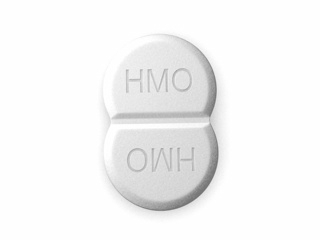


Tritace (Ramipril): Patient-Friendly Medicine Guide (Australia)
Basic Product Information
| Active Ingredient (INN) | Ramipril |
|---|---|
| Australia Brands | Tritace®, Ramipril Sandoz®, Ramipril Zentiva®, Apo-Ramipril®, Chemmart Ramipril®, and others |
| ATC Code | C09AA05 |
| Available Forms and Strengths | Tablets & Capsules: 1.25 mg, 2.5 mg, 5 mg, 10 mg |
| Manufacturers | Sanofi-Aventis, Sandoz, Apotex, Generic manufacturers |
| Prescription Status (Australia) | Prescription only medicine (Schedule 4, S4) |
Mechanism of Action
Patient explanation: Ramipril belongs to a group of medicines called ACE inhibitors (Angiotensin-Converting Enzyme inhibitors). It lowers blood pressure by relaxing blood vessels, making it easier for your heart to pump blood around your body.
Specialist explanation: Ramipril blocks the conversion of angiotensin I to angiotensin II, a potent vasoconstrictor, thereby reducing peripheral vascular resistance and aldosterone secretion. This results in decreased blood pressure, reduced cardiac workload, and improved renal outcomes in conditions like hypertension, heart failure, diabetic nephropathy, and post-myocardial infarction.
Pharmacokinetics
- Absorption: Oral ramipril is rapidly absorbed, with peak plasma concentrations reached within 1 hour. Bioavailability is approx. 50–60% due to first-pass hepatic metabolism.
- Metabolism: Ramipril is a prodrug, converted in the liver to its active form, ramiprilat.
- Elimination: Ramiprilat is eliminated primarily by the kidneys (renal excretion) and to a lesser extent via bile.
- Duration of Action: 24 hours (once-daily dosing is usually adequate).
- Half-life: Ramiprilat ~13–17 hours (enabling 24-hour blood pressure control).
Use in Everyday Life and Best Practices
Ramipril is widely used in Australia to treat high blood pressure (hypertension), help prevent heart attacks and strokes, treat heart failure, and protect kidney function (especially in diabetes or kidney disease).
Typical Doses:
- Hypertension: Usually start with 2.5 mg once daily, and adjust as directed by your doctor (up to 10 mg daily).
- Heart Failure/Post-MI: Start with 1.25 mg once or twice daily, titrating upwards based on tolerance.
- Kidney Protection (Diabetes): Lower starting dose, typically managed carefully by your GP or specialist.
How to Use: Take Tritace at the same time each day. Swallow tablets whole with water, preferably at a fixed time to help remember (morning or evening).
In Australia, regular blood pressure checks are important, and most pharmacies offer free in-pharmacy checks.
Dosing in the Morning vs Evening
Both morning and evening dosing are acceptable. Australian clinical guidelines generally suggest morning dosing unless your doctor advises otherwise. Some evidence suggests evening dosing may improve overnight blood pressure control; however, it can also increase the risk of nocturnal hypotension (feeling dizzy overnight).
- Advantages of Morning Dosing: Aligns with the body's natural circadian rhythm, lowers morning blood pressure surge, easy recall with breakfast or routine medication administration.
- Advantages of Evening Dosing: May help control night-time hypertension in select patients as advised by your GP.
- Tip: Take at the same time each day. If you miss a dose, take it as soon as you remember (unless it’s nearly time for your next dose—do not double dose).
Taking with Food or on an Empty Stomach
Ramipril can be taken with or without food. Taking it on an empty stomach may result in slightly faster absorption, but this is not usually clinically important. For Australians, with our diverse dietary habits and main meal usually at night, choose a dosing time that fits your daily routine for best adherence.
- If you experience stomach upset, try taking it with a light meal or snack.
- Avoid excessive salt intake and processed foods, which can counteract the benefits of blood pressure medicines.
Interaction Warnings
Always inform your GP or pharmacist about any other medications, herbal supplements, or over-the-counter products you take.
| Interaction Type | Examples | Effect/Advice |
|---|---|---|
| Other Blood Pressure Medicines | Diuretics, Beta-blockers, ARBs | Risk of low blood pressure, monitor closely |
| Painkillers | NSAIDs (ibuprofen, diclofenac) | May weaken blood pressure control, risk of kidney problems |
| Potassium Supplements/Potassium-Sparing Diuretics | Spironolactone, amiloride | High potassium risk; regular blood tests required |
| Diabetes Medicines | Insulin, metformin | May enhance blood sugar-lowering effects |
| Alcohol | All types | Can intensify blood pressure lowering effect—limit intake |
| Food | High potassium foods (bananas, oranges) | Monitor potassium levels; consult your doctor/dietitian |
Indications (When is Tritace Used?)
| Indication | Official (TGA-Approved) | Off-label |
|---|---|---|
| High Blood Pressure (Hypertension) | ✔ | |
| Chronic Heart Failure | ✔ | |
| Post Myocardial Infarction | ✔ | |
| Kidney Protection in Diabetes (Nephropathy) | ✔ | |
| Stroke Prevention | ✔ | |
| Scleroderma Renal Crisis | ✔ (specialist advice only) | |
| Prevention of Cardiovascular Events in High-risk Patients | ✔ |
Dosage According to Clinical Indications
| Indication | Starting Dose (Adults) | Usual Maintenance Dose | Elderly (≥65 yrs) | Pediatric Use |
|---|---|---|---|---|
| Hypertension | 2.5 mg once daily | 2.5–10 mg once daily | Lower starting dose; slow titration | Not routinely used |
| Heart Failure/post-MI | 1.25 mg once or twice daily | 2.5–10 mg once daily | As above, monitor renal function | Specialist only |
| Diabetic Nephropathy | 1.25–2.5 mg once daily | Up to 10 mg once daily | Careful monitoring | Not approved |
Safety Profile & Side Effects
| Frequency | Side Effect | Advice |
|---|---|---|
| Common (1 in 10) | Cough, dizziness, headache, tiredness | Often mild; discuss with your GP if persistent |
| Uncommon | Low blood pressure (especially after first dose), muscle cramps | Monitor at home/pharmacy; rise slowly from sitting/lying |
| Rare | Angioedema (swelling of face/throat), severe allergic reaction | Stop immediately and seek emergency care |
| Other | Changes in kidney function, high potassium | Detected with routine blood tests; follow up regularly |
- Warning: Ramipril must NOT be used in pregnancy or if you have a history of angioedema.
- Let your GP know if you develop a persistent dry cough or swelling of lips/tongue/throat.
- Blood tests are recommended to check kidney function and electrolytes before and during ongoing treatment.
Guidelines for Proper Use in Australia
- Pick up your medicine from a PBS-registered pharmacy for subsidy.
- Schedule regular blood pressure and kidney function checks with your doctor.
- Let your health care team know about all your medications, including over-the-counter and herbal remedies.
- Store at room temperature, away from moisture and sunlight.
- Never stop Tritace suddenly without doctor consultation—may cause rebound hypertension.
- Book a MedsCheck or Home Medicines Review with your community pharmacist to review all your medicines.
Alternative Treatment Options (PBS Subsidised)
- Other ACE Inhibitors: Perindopril (Coversyl®), Enalapril (Renitec®), Lisinopril (Prinivil®, Zestril®)
- Angiotensin II Receptor Blockers (ARBs): Candesartan, Irbesartan, Telmisartan, Valsartan (all PBS subsidised)
- Combination Tablets: ACE inhibitor + diuretic or calcium channel blocker, for convenient dosing
Pros and Cons:
ACE inhibitors have most robust heart and kidney protection evidence. ARBs are an alternative for those who develop cough. Choice depends on tolerance, kidney function, and doctor assessment.
| Drug Class | Pros | Cons |
|---|---|---|
| ACE Inhibitors | Proven reduction in mortality and renal outcomes | Cough, rare risk of angioedema, teratogenicity |
| ARBs | Similar efficacy; fewer cases of cough/angioedema | Possible dizziness, kidney effect similar to ACE-I |
| Calcium Channel Blockers | Useful for isolated systolic hypertension, elderly | Ankle swelling, constipation |
| Thiazide Diuretics | Effective, especially in salt-sensitive individuals | Electrolyte disturbance, increased urination |
Legal, Registration, and Reimbursement Status (Australia)
- Registration: Tritace (ramipril) is registered in Australia by the Therapeutic Goods Administration (TGA)
- Prescription: Strictly prescription only (Schedule 4, S4). Not available over-the-counter
- Reimbursement: Subsidised under the Pharmaceutical Benefits Scheme (PBS). Most patients will pay only the PBS copayment
- Supply: Widespread availability at Australian pharmacies, both chain and community
Latest Research & Clinical Guidance (2022–2025)
- Current Australian guidelines (NHFA, Heart Foundation, Kidney Health Australia) continue to endorse ACE inhibitors, including ramipril, as first-line therapy for hypertension, heart failure, and kidney protection (see: NHFA Hypertension Guideline 2023, Source).
- Recent meta-analyses (Lancet 2022; NEJM 2023) confirm ACE inhibitors' benefit for cardiovascular and renal protection, especially in diabetic nephropathy and heart failure.
- 2024 updates from the Australian Medicines Handbook – ramipril tolerability remains high, with no significant changes to safety profile.
- Ramipril’s patent has now expired; generic versions offer cost-effective, proven care.
Availability and Delivery in Australia
| Pack Size | Typical PBS Co-payment | Major City Delivery Times (business days) |
|---|---|---|
| 30 tablets/bottle | $7.30 (concession) $31.60 (general, 2024) |
|
| 90 tablets (3-month) | As above (per box) | Bulk delivery available by mail/pharmacy partners |
- Home delivery options via most pharmacy chains or online pharmacies (e.g., Chemist Warehouse, Priceline, TerryWhite Chemmart).
- Free pharmacy-to-pharmacy transfers and text reminders available.
- Ask your pharmacist about “script on file” and medication management services.
Frequently Asked Questions (FAQ)
- Can I stop Tritace suddenly if I feel fine?
No. Never stop ramipril or any blood pressure medicine suddenly without consulting your doctor, even if you feel well. Sudden withdrawal can lead to a spike in blood pressure and increase risk of heart attack or stroke. - Is it safe to take Tritace with other medicines?
Most people can take ramipril safely with other medicines, but always inform your GP or pharmacist about all other prescriptions, over-the-counter, and herbal products, as interactions can occur—especially with diuretics, NSAIDs, or potassium supplements. - What if I forget to take a dose?
Take your dose as soon as you remember, unless it’s close to your next scheduled dose. Never double up. If you miss several doses, talk to your doctor before restarting. - How long will I need to take Tritace?
Most people need lifelong treatment, unless the underlying cause is resolved or another medication is more suitable. Your doctor will review your need for ramipril at each visit. - Can I take ramipril if I’m pregnant or planning a pregnancy?
No. Ramipril and all ACE inhibitors are strictly contraindicated in pregnancy (cause harm to unborn child). Inform your doctor immediately if you are pregnant or planning, so alternative medications can be arranged.
For any further questions, contact your local pharmacist, clinic, or the national Medicines Line (1300 MEDICINE).